
The Art of Hand Knotted Rugs: How to Create and Appreciate Their Rich History
Estimated reading time: 7 minutes
Key Takeaways
- Hand knotted rugs are symbols of cultural heritage and exquisite craftsmanship.
- The crafting process is meticulous, requiring skilled artisans and significant time commitment.
- How to make hand knotted rugs involves several detailed steps, from design to finishing.
- Persian techniques greatly influence the aesthetics and quality of many hand knotted rugs.
- Understanding the history and techniques is key to truly appreciating these textiles.
Table of contents
Introduction
Hand knotted rugs are not just decorative pieces; they embody the rich tapestry of culture and craftsmanship that has evolved over centuries. In this blog post, we will explore the significance of hand knotted rugs how to make, their historical background, and the intricate Persian rugs techniques that have shaped this art form. Join us as we delve into the craftsmanship of rug making, tracing its origins and uncovering the meticulous processes involved in creating these beautiful textiles.
Historical Overview of Rug Making
The history of rug making goes back thousands of years, spanning various civilizations and continents. It all began in Central Asia and the Middle East, where early societies started weaving simple textiles from natural fibers. Over time, these techniques evolved into the complex art forms we recognize today.
Early Techniques and Materials
- Natural Fibers: Early rugs were made from wool, cotton, and silk. These materials were abundant and suited for creating durable textiles.
- Cultural Influences: Each region produced unique patterns and designs influenced by their climate, geography, and cultural heritage. This regional diversity laid the groundwork for the various styles we see in modern rug making.
Persian Influence
Persian traditions significantly shaped the practice of rug making, introducing innovative knotting styles like the Senneh knot and intricate motifs that conveyed stories or significant symbols. Persian weavers refined the craft, inspiring other nations and weaving guilds in India and Turkey. For a deeper dive into Persian heritage and design, read here.
Understanding this history of rug making is crucial to appreciating the artistry and craftsmanship involved in creating exquisite hand knotted rugs.
Understanding Hand Knotted Rugs – How to Make Them
Creating hand knotted rugs is a detailed process that demands skill, patience, and artistry. Each rug can take months or even years to complete, reflecting the dedication of the artisan.
The Knitting Process
- Designing the Pattern: Start by drafting your rug’s pattern on graph paper, which helps visualize colors and motifs. More on Designing.
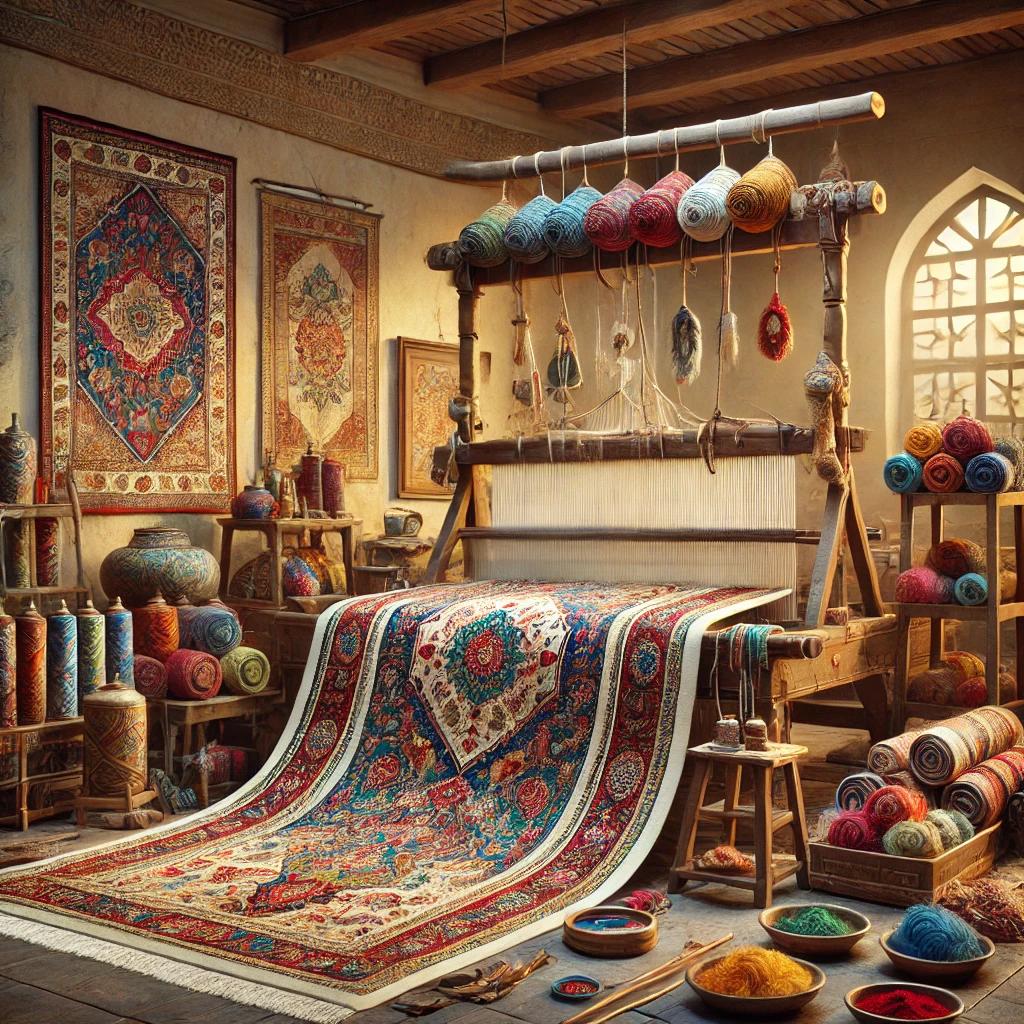
- Preparing the Loom: Set up a wooden loom with cotton warp threads. Warping lays the foundation for the rug and is essential for stability. Learn Loom Setup.
- Knotting: This is where artistry shines. You tie yarn around adjacent warp threads, creating knots row by row. Techniques like the Senneh knot or Ghiordes knot are commonly used, which have distinct geometric properties that influence the rug’s final look. Watch Knotting Techniques.
- Securing Wefts: After knotting, weft threads are woven horizontally to create a solid structure, ensuring the integrity of the rug.
- Trimming the Pile: Once a section is complete, the pile is carefully trimmed to maintain an even surface. See Trimming Process.
- Washing and Finishing: The final step involves washing the rug to enhance its softness and colors, followed by hand carving to accentuate details. Explore Finishing Techniques.
For an expanded guide on these steps and further insights into the process, visit here.
Essential Tools and Materials
When creating hand knotted rugs, you will need:
- High-quality yarn (wool, silk, or cotton)
- Loom
- Scissors for trimming
- Bobbin sticks for managing yarn
This meticulous process makes hand knotted rugs not only valuable as decorative items but also as heirlooms that carry the artisan’s skill and the rug’s unique stories.
Deep Dive into Persian Rugs Techniques
The essence of Persian rugs techniques lies in the intricate methods used to create these stunning textiles. Understanding these techniques is key to appreciating their artistry.
Key Elements of Persian Rug Techniques
- Knotting Styles: Persian (Senneh) knots allow for more detailed designs compared to Turkish knots, making them a preferred choice for intricate patterns. Knotting Styles Explained.
- Design Motifs: Persian rugs often feature floral designs, medallions, and geometric shapes that offer insights into Persian culture. Each motif tells a story or holds symbolic meaning.
- Dyeing Methods: The authentic colors of Persian rugs are primarily achieved through natural dyes derived from plants, roots, and insects. This practice not only results in vibrant hues but also contributes to the rug’s uniqueness over time. For additional tips on preserving these colors and testing dye fastness at home, check out here.
- Finishing Processes: Attention to detail in the finishing phase, including precise trimming and careful cleaning, ensures that the finished product is both beautiful and durable.
Modern adaptations have introduced synthetic dyes and machine-made processes; however, nothing compares to the quality and artistry of traditional Persian weaving techniques, which remain benchmarks in the textile world. Explore Traditional Techniques.
The Craftsmanship Process – A Detailed Guide
Crafting a hand knotted rug involves a step-by-step workflow that takes hours of dedication and expertise. Here’s a comprehensive look at the entire process:
Workflow Breakdown
- Design Planning: Plan your design thoroughly. Utilize graph paper or digital tools to ensure accuracy. Design Planning Tips.
- Loom Setup: Establish a well-warped loom, ensuring that the threads are parallel and tension is uniform. Learn Loom Setup.
- Knotting and Weaving: Engage in rhythmic knotting, consistently ensuring each knot is tight and aligned for durability.
- Carving and Washing: After weaving, carving defines the design’s texture, while washing softens fibers and removes dust and grime for a smoother finish. Carving and Washing Techniques.
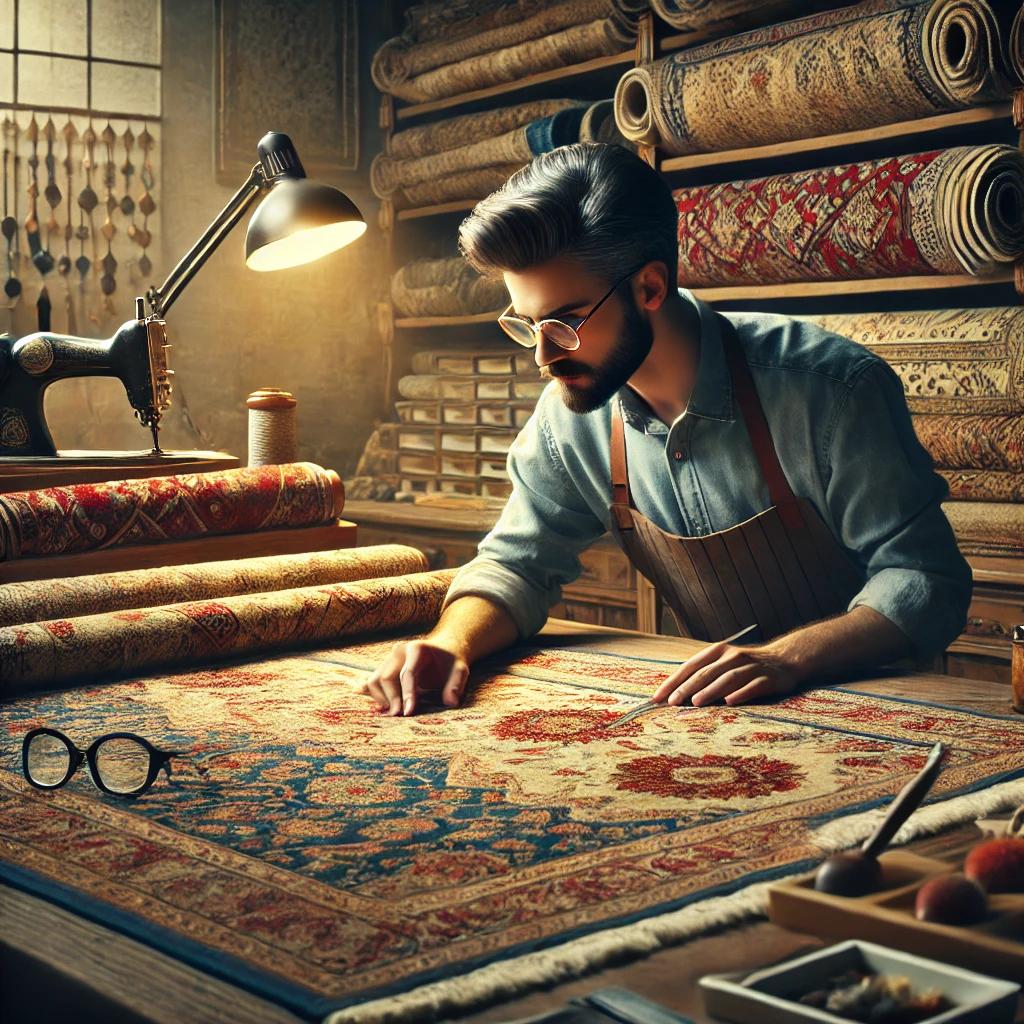
- Final Inspection and Finishing: Inspect the rug for quality. Pay attention to detail in trimming and securing loose ends, ensuring it meets high standards.
Before the final inspection, for expert advice on assessing the quality of your work, refer to here.
Tips for Artisans
- Maintain Warp Tension: Consistent tension is crucial for a balanced rug.
- Watch for Common Challenges: Be mindful of irregular piles or color bleeding, which can arise from inconsistent knotting or dye application.
This workflow, though complex, is rewarding. As artisans meticulously apply their skills, each rug becomes a unique piece of art, embodying both the craftsperson’s expertise and the culture it represents. Discover Challenges and Solutions.
The Cultural and Artistic Significance
Understanding the history of rug making and Persian rugs techniques plays a critical role in appreciating hand knotted rugs’ cultural value. These textiles represent more than just functional items; they are vessels of history and storytelling.
Significance of Craftsmanship
- Cultural Heritage: The intricate techniques passed down through generations serve as connections to cultural roots. Each rug is often made with symbolic motifs, showcasing the heritage of the weaver’s lineage. For further reading on the enduring traditions, see here.
- Artistic Expression: The creativity involved in the design and production of each piece underscores the innovation and artistry inherent in rug making.
By valuing these crafts, we also promote the preservation of skills that have taken centuries to refine. As we recognize their importance, we help support artisan communities and ensure that these traditions continue into the future. Learn More about Cultural Significance.
Conclusion
In conclusion, we’ve traversed the fascinating journey of hand knotted rugs how to make, reviewed the history of rug making, and examined the unique characteristics of Persian rugs techniques. This art form not only exemplifies creativity and craftsmanship but also carries the weight of cultural heritage and storytelling.
As we encourage a greater appreciation for these beautiful textiles, we invite you to consider exploring this intricate art form yourself, whether through appreciation or hands-on creation. Preserving traditional craftsmanship while embracing innovation opens avenues for a future where these rich traditions flourish. Explore More on Crafting | See Tips for Making.
By understanding how to create hand knotted rugs and their historical context, we foster a deeper connection to this remarkable craft.
Frequently Asked Questions
What tools do I need to make a hand knotted rug?
You will need high-quality yarn, a loom, scissors, and bobbin sticks.
How long does it take to make a hand knotted rug?
It can take from several months to years depending on the size and complexity of the design.
What is the difference between the Senneh knot and Ghiordes knot?
The Senneh knot allows for more detail, while the Ghiordes knot provides a sturdier structure.
Are machine-made rugs inferior to hand knotted rugs?
Typically, yes. Hand knotted rugs are often seen as more valuable due to their intricacy and craftsmanship.