
Persian Rug Buying Guide: Essential Tips for Evaluating, Pricing, and Choosing the Perfect Rug
Estimated reading time: 7 minutes
Key Takeaways
- Understand the Craftsmanship: Authentic Persian rugs are hand-woven, showcasing unique artistry.
- Examine the back of the rug for authenticity indicators.
- Quality is defined by knot density, material used, and pattern.
- Pricing is affected by factors like age, design, and market demand.
- Proper maintenance is essential for preserving your investment.
Table of contents
Purchasing a Persian rug is more than just buying a piece of decor; it’s an investment that requires knowledge, careful evaluation, and an understanding of what distinguishes quality craftsmanship from mass-produced alternatives. This comprehensive Persian rug buying guide is designed to empower you with essential information about assessing rug quality, understanding pricing dynamics, and making an informed purchase decision. Whether you’re a first-time buyer or an experienced collector, this guide provides vital tips for evaluating authenticity, recognizing value, and selecting a rug that will serve as both a functional home accessory and a potential heirloom investment.
For insight on recognizing genuine pieces, check out How to Identify an Authentic Persian Rug: A Buyer’s Guide.
Understanding Persian Rugs
History and Craftsmanship of Persian Rugs
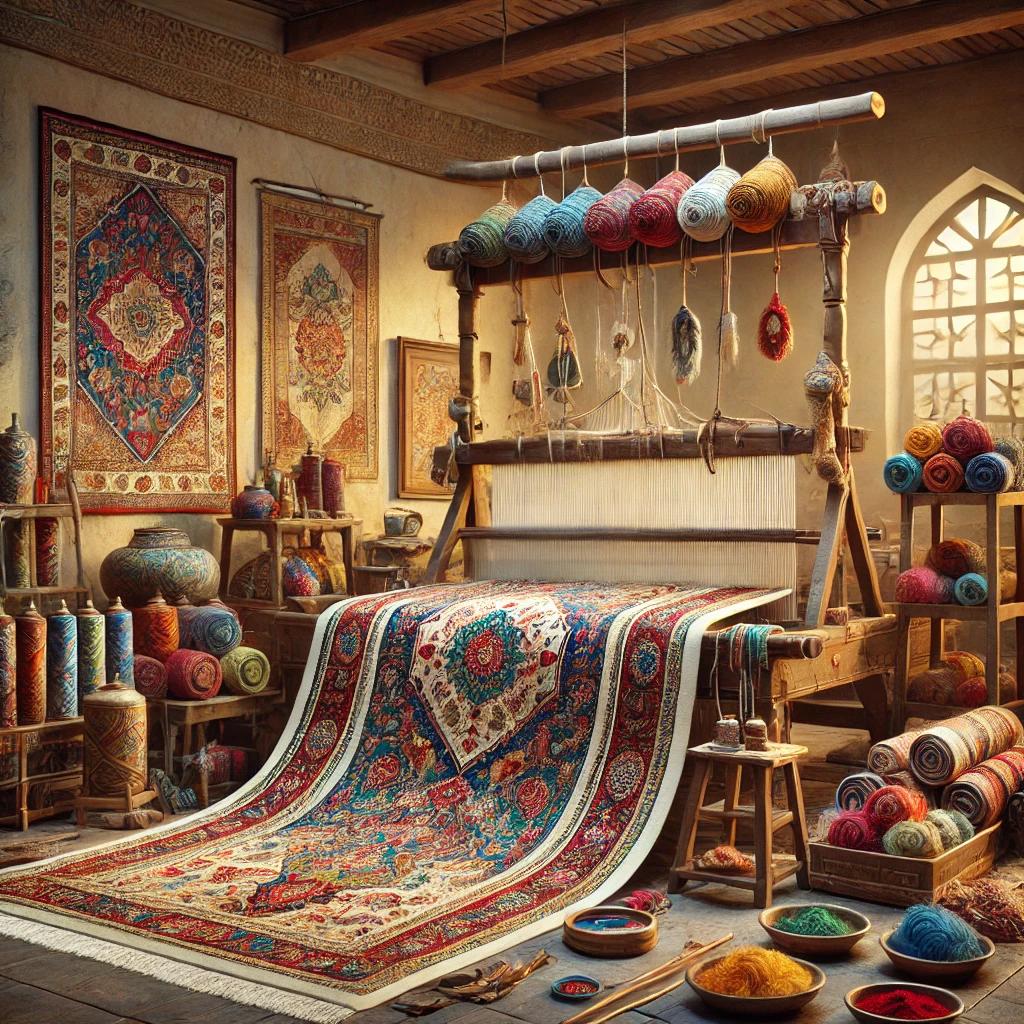
Persian rugs represent centuries of cultural heritage and artistic tradition originating from Iran. These hand-woven textiles are often considered the gold standard of Oriental rugs, prized for their exceptional craftsmanship, intricate designs, and superior durability (source). Authentic Persian rugs are entirely hand-woven by skilled artisans, resulting in unique pieces that reflect the weaver’s artistry and attention to detail.
For an in-depth look at the weaving process and the legacy behind these masterpieces, see The Art of Persian Rug Weaving: A Tradition Worth Preserving.
What Sets Persian Rugs Apart
Construction and Quality: The Back of a Rug
Persian rugs distinguish themselves through their hand-woven construction, refined aesthetic sensibilities, and investment value. The back of a Persian rug contains key indicators of quality, revealing the craftsmanship that goes into each piece (source). Authentic rugs showcase slight imperfections, which signify manual creation, while machine-made rugs reveal a uniformity that is characteristic of industrial production.
For additional tips on evaluating handcrafted details, refer to Spotting Quality: Tips for Evaluating Handmade Rugs.
Historical and Cultural Significance
Design Motifs and Styles
These rugs are not merely decorative objects but cultural artifacts that embody the traditions of Persian tribes and urban centers. Common motifs include floral patterns, geometric shapes, medallions, and paisley elements refined over generations (source). Certain regional styles carry rich cultural narratives; for instance, Tabriz rugs—which date back to the 16th century—feature historical designs that intrigue collectors (source).
How to Evaluate a Persian Rug
Examining the Back of the Rug
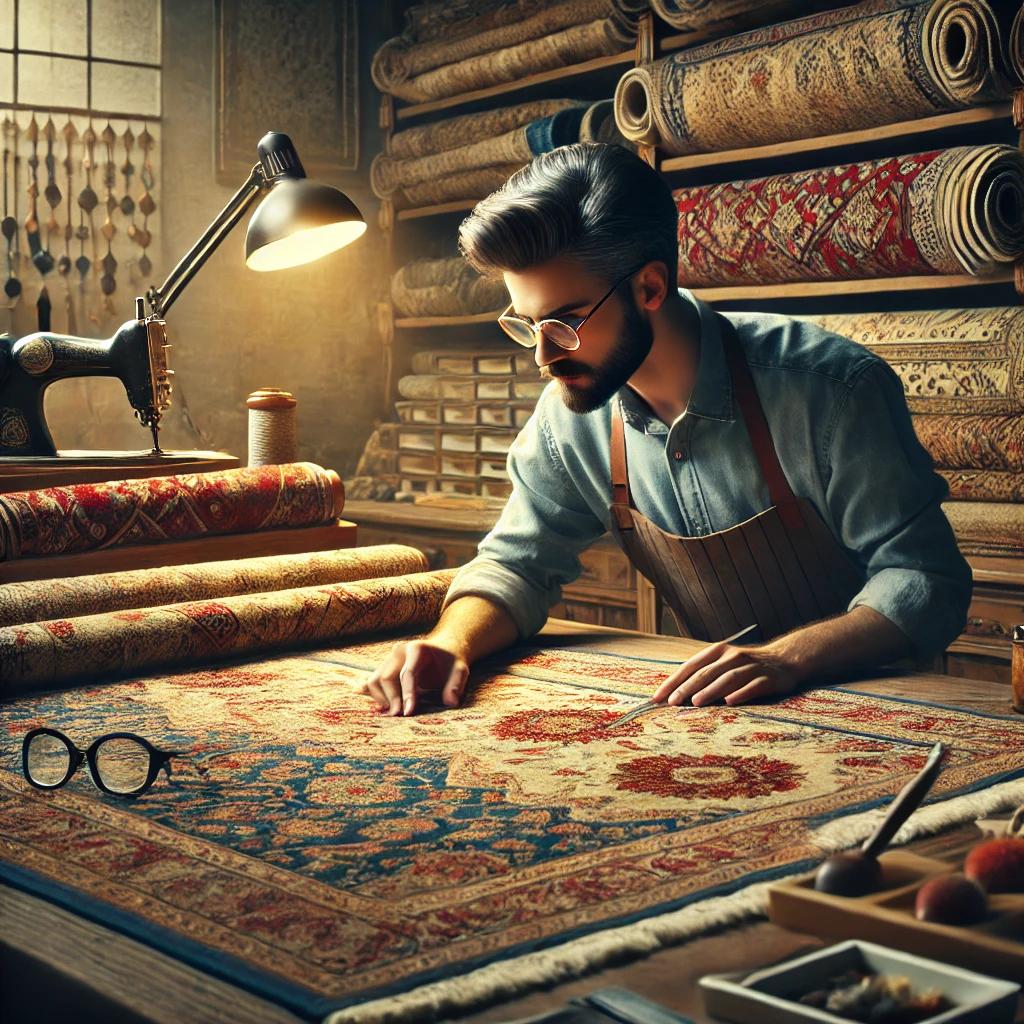
To effectively evaluate a Persian rug, one of the most crucial steps is to examine the back of the rug. The underside reveals critical information about construction and authenticity. Genuine hand-woven Persian rugs will display irregularities in the knotting pattern that showcase human craftsmanship. Conversely, machine-made rugs will exhibit an unnaturally perfect underside (source).
- Knotting Patterns: Look for variations in the knot pattern.
- Knot Density: The tighter the knots, the higher the quality.
Quality Markers on the Reverse Side
Specific characteristics that indicate quality include:
- Knot Density: A higher knot count signifies a more intricate design, which often correlates with greater durability.
- Foundational Threads: Properly visible and secure foundation threads confirm good construction.
- Color Saturation: Colors on the back should match the front, indicating natural dye usage rather than superficial coloring (source).
Understanding Rug Age and Its Influence
The age of a rug significantly influences both quality and value. Antique Persian rugs are often seen as more desirable because they reflect refined craftsmanship and matured patterns. When assessing age, examine:
- Foundation Condition: Look for signs of wear or deterioration.
- Wear Patterns: Notice how the fibers have aged over time.
- Restoration Work: Be cautious of older rugs that have been extensively restored.
Top Persian Rugs
Unique Characteristics of Top Persian Rugs
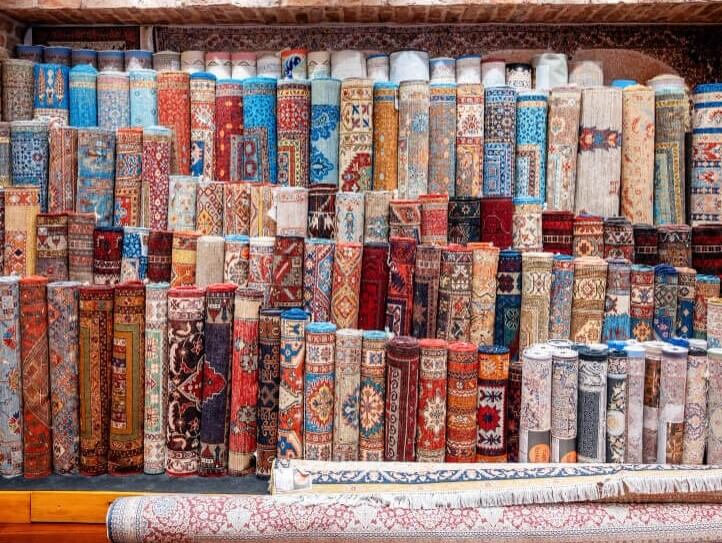
Different regions of Iran produce distinct rug styles, each recognized for specific characteristics and weaving techniques.
- Bidjar Rugs: Known as the “iron rugs of Persia,” these are durable and ideal for high-traffic areas (source).
- Hamadan Rugs: Featuring geometric or floral patterns, Hamadan rugs are sturdy and come at relatively accessible price points.
- Kashan Rugs: Renowned for luxury, these rugs often include intricate flowing patterns and are crafted with great attention to detail.
- Tabriz Rugs: With historical designs and motifs like the Mahi (fish pattern), Tabriz rugs are among the most sought after by collectors.
Pricing, Value, and Discount Opportunities
Understanding Persian Rug Pricing
Pricing for Persian rugs is dependent on various factors, including material quality, knot count, weaving time, and the rug’s condition (source). High knot counts indicate more intricate designs and reflect greater durability.
Assessing Fair Market Value
Researching comparable rugs before making a purchase can establish realistic pricing expectations. Look for rugs that meet the following quality indicators:
- Consistent Weave: Ensure tight, uniform knotting.
- Quality Materials: Confirm that the rug is made from wool, silk, or other natural fibers.
Finding Quality at Discount Rug Outlets
Exploring discount rug outlets can lead to significant savings without compromising quality. However, apply the same rigorous quality standards when evaluating discounted rugs. Make sure that even discounted pieces meet the necessary criteria for authenticity and craftsmanship (source).
Maintenance and Preservation
Storing Wool Rugs Safely
To ensure the longevity of your Persian rug, proper storage is key. Consider these tips:
- Environment: Store in a cool, dry place away from sunlight to prevent fading.
- Wrapping: Use acid-free paper for wrapping rather than plastic, which can trap moisture and cause mold growth.
- Rolling: Always roll rugs instead of folding them to avoid permanent creases that can damage fibers.
Cleaning and Routine Care
Regular maintenance is vital for upkeep. Here are some cleaning tips:
- Vacuum Regularly: Use a gentle vacuum setting to avoid pulling threads or damaging fibers.
- Spot Cleaning: Address spills immediately by blotting the area rather than rubbing, which can spread the stain.
- Professional Cleaning: For deep cleaning, consult professional rug cleaning services rather than attempting aggressive DIY methods.
Comprehensive Persian Rug Buying Checklist
Use this quick-reference summary when evaluating Persian rugs:
- Authenticity Verification:
- Inspect the back for hand-knotted irregularities.
Learn more with 5 Secrets to Identifying Authentic Persian Rugs. - Ensure colors on the back match the front.
- Inspect the back for hand-knotted irregularities.
- Structural Quality:
- Check straight edges and proper edge finishing.
- Assess fringe condition and material quality.
- Material Composition:
- Confirm that high-quality natural fibers are used.
- Design and Aesthetics:
- Choose patterns that complement your home decor.
- Practical Considerations:
- Measure your space before purchasing.
For additional guidance, see Choosing the Right Rug Size: Tips for Every Room. - Determine the appropriate pile height for your lifestyle.
- Measure your space before purchasing.
- Provenance and Source:
- Always buy from reputable sellers and ensure documentation for the origin is available.
Conclusion and Call-to-Action
Purchasing a Persian rug represents an investment in craftsmanship, cultural heritage, and lasting beauty. By systematically evaluating the back of the rug, understanding quality indicators, recognizing regional style characteristics, and assessing fair market value, you position yourself to make an informed decision.
The essential steps outlined in this Persian rug buying guide will help guide you to a piece that represents genuine value. Whether shopping through established dealers, exploring discount rug outlets, or consulting with experts, consistently apply these evaluation criteria.
We invite you to share your experiences or questions in the comments below! Engaging in community discussions about Persian rugs can enrich our collective knowledge and enhance everyone’s rug buying journey. Happy rug hunting!
Frequently Asked Questions
-
What is the primary material used in Persian rugs?
The primary materials are typically wool or silk, each offering different textures and durability. -
How can I determine if a Persian rug is authentic?
Check for hand-knotted irregularities on the back and confirm that natural dyes were used. -
What is the average price range for good quality Persian rugs?
Prices can vary widely; however, expect to pay from a few hundred to thousands of dollars depending on age, size, and quality.