
Choosing the Right Size for Your Area Rugs
Estimated reading time: 6 minutes
Key Takeaways
- Area rugs are essential for enhancing aesthetics and functionality in interior design.
- Understanding the differences between small oriental and large oriental rugs can help in making informed choices.
- Proper sizing and placement of rugs can dramatically affect the ambiance of a room.
- Durable materials are crucial for rugs in high-traffic areas.
- Rug dimensions should correspond to the size of the room and furniture layout.
Table of contents
Area rugs are a vital component in interior design, serving multiple purposes that enhance the visual appeal and functionality of a space. They add warmth, help define areas, enhance aesthetics, reduce noise, and protect floors from wear and tear. The right area rug can transform your living space, making it feel more inviting and cohesive.
In the market, you will find various types of area rugs, with small oriental and large oriental rugs being two popular styles. Small oriental rugs are often used as accent pieces to add character, while large oriental rugs are ideal for anchoring entire rooms and making a bold statement. Check out this guide for more ideas on selecting area rugs that fit your space perfectly.
As open-concept homes and apartments become more commonplace, there’s been a rising interest among homeowners and renters alike to compare rug sizes and styles to best suit their unique spaces. According to Teppich Homes, area rugs allow for a blend of style and functionality in modern home design. Fusion Furniture also highlights how area rugs are essential to home decor, demonstrating their multifaceted role in interior spaces.
Understanding Area Rugs
Area rugs are removable floor coverings that offer versatility in styling, differing significantly from wall-to-wall carpets. While wall-to-wall carpets require permanent installation, area rugs can be moved or changed as desired. This flexibility allows homeowners to define zones, add warmth, or introduce color patterns without a significant commitment. You might also find useful tips in this resource for more on selecting the right area rug for your décor.
Characteristics that help explain the term “area rugs” include:
- Versatility: Area rugs come in various designs, sizes, and materials, allowing for endless possibilities in decorating.
- Easy Maintenance: Unlike wall-to-wall carpets, which require professional cleaning, area rugs can often be cleaned easily at home.
- Layering Options: Area rugs can be layered on top of larger sisal or jute rugs to create depth and texture.
Common phrases like “area rugs area rugs” or “rugs area” reflect the various styles available on the market, emphasizing their diverse use in enhancing a room’s aesthetics. According to Ridesign Center, area rugs play an essential role in homes for their ability to create distinct zones and improve visual appeal.
Characteristics of Oriental Rugs
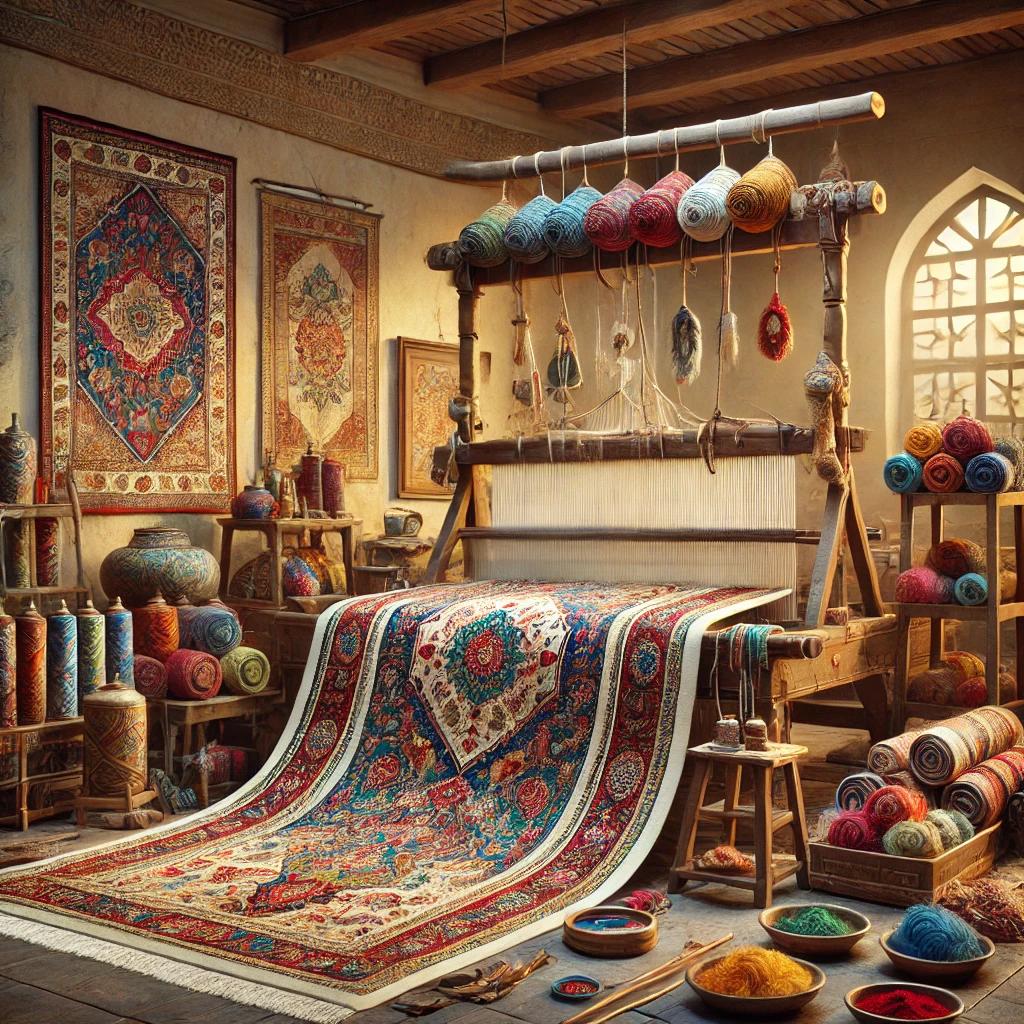
Oriental rugs, recognized for their intricate designs, rich colors, and traditional motifs, can add a touch of cultural elegance to any space. These rugs often feature patterns that include floral, geometric, and tribal designs, each telling a story or representing a region’s heritage. Tapis Studio discusses the various texture elements and the importance of these rugs in contemporary interior design.
Comparison: Small Oriental vs. Large Oriental
When comparing small oriental rugs to large oriental rugs, these pieces reveal significant aesthetic and functional differences. You can read more about choosing the right style and size in this guide.
Aesthetic Differences
- Small Oriental Rugs: These rugs tend to serve as accent pieces. They provide warmth and personality, particularly in tight spaces. By using small rugs, you can highlight specific furniture or areas within a room, thus adding interest without overwhelming the space.
- Large Oriental Rugs: In contrast, large rugs are meant to anchor your overall design. They can balance the proportions of a room and create a unified visual space. Place a large oriental rug underneath seating arrangements to foster a sense of cohesion.
Functional Differences
- Small Rugs: Ideal for spaces requiring focused warmth, such as beside a bed or under a small coffee table. They promote intimacy and help define zones even in smaller areas.
- Large Rugs: Perfect for larger living rooms or dining spaces, these rugs can unify disparate elements of your decor, fostering a more open and inviting environment.
Size greatly impacts overall design and room ambiance. Small rugs may highlight specific focal points, while large rugs create unity and reduce echo in larger spaces. Referencing insights from Teppich Homes and Ridesign Center, we can see how well-sized rugs enhance modern spaces.
Tips for Choosing the Right Size
- Measure the Room: Start by measuring the dimensions of your space.
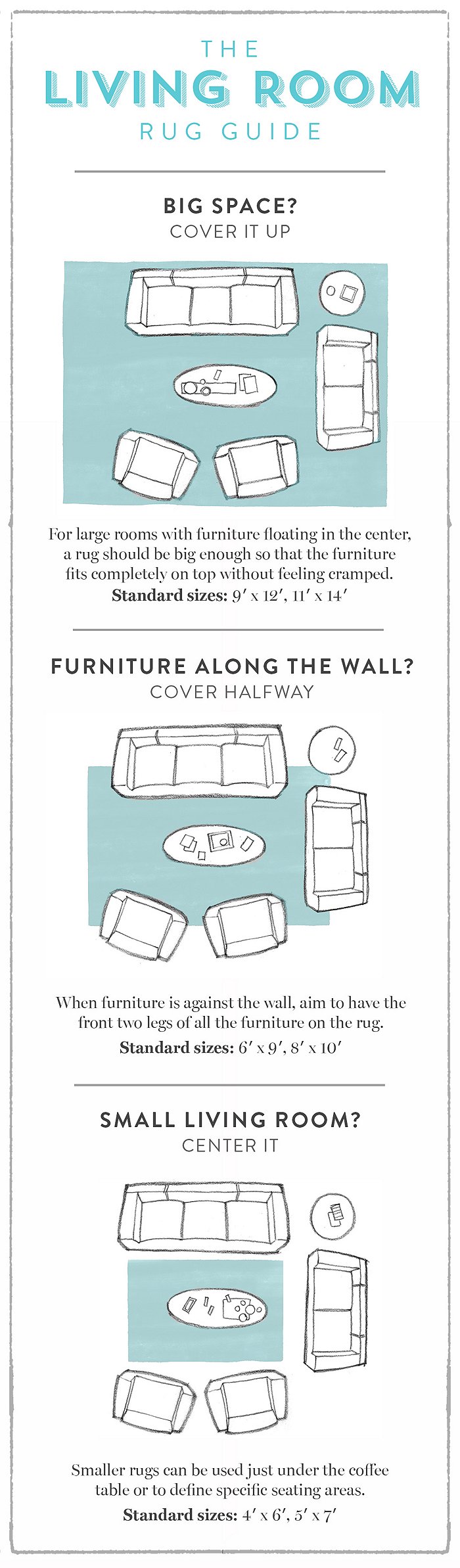
- Furniture Placement: Ensure that key furniture pieces, such as sofas or beds, touch the rug. For a larger space, ensure at least the front legs of larger furniture pieces are on the rug.
- Consider Flow: Allow for enough space around the rug for ease of movement.
Choosing the Right Size for Your Space
Having addressed the aesthetics and functionality of area rugs, the next crucial step is determining the right size for your space. For room-specific advice, consider checking out this guide.
Measuring Your Space Accurately:
- Room Dimensions: Use a tape measure to get the exact measurements of your room.
- Rug Coverage: Aim for rugs covering 60-80% of the floor in larger rooms. This prevents a floating appearance that can disrupt the flow of the area.
Rug Sizes for Different Spaces:
- Living Rooms: For larger spaces, choose large rugs of at least 8×10 ft or larger, allowing for all the seating to sit comfortably on or around the rug.
- Dining Areas: A rug in dining rooms should accommodate chairs so that when pulled out, the legs stay on the rug. Generally, a 6×9 ft size works well in a standard dining room.
- Bedrooms: Consider small rugs, or a runner, next to the bed, or opt for a larger one that extends under the side tables for an elegant look.
- Hallways: Long, narrow runners can effectively highlight transitional areas.
Prioritize scale and proportion to maintain harmony and balance. Ridesign Center offers practical insights on ensuring a rug’s orientation works with the room’s traffic flow and architecture.
Practical Considerations for Buyers
As you prepare to purchase your area rugs, consider these practical guidelines:
Durability and Materials
- Durability: For large oriental rugs in high-traffic areas, opt for durable materials like wool. Wool is easy to maintain and retains its beauty over time. For more on choosing the right material for high-traffic areas, visit this page.
- Small Oriental Rugs: For less frequent use, synthetic materials can be a cost-effective option that allows for easy cleaning.
Space Consideration
- For smaller apartments, small oriental rugs help maximize visual space without crowding.
- In larger homes, large oriental rugs can significantly enhance your zoning capabilities, creating defined areas for various purposes.
Blending Styles
When integrating rugs into your design, consider blending traditional oriental styles with your existing decor. Choose colors and patterns that complement both contemporary and classic decor styles. Teppich Homes emphasizes how effectively chosen rugs can tie a room together.
Conclusion
Ultimately, understanding the differences between small oriental rugs and large oriental rugs, coupled with the broader category of area rugs, can greatly enhance your interior design efforts. Small rugs serve as charming accents, while large rugs establish a grounding presence that unifies spaces. Thoughtfully selecting the right size can dramatically transform your living environment, enhancing both comfort and visual appeal.
As you embark on your rug shopping experience, follow these guidelines to find pieces that not only fit your space but also elevate your style. Embrace the versatility of area rugs and explore combinations that best suit your unique style and space needs.
Frequently Asked Questions
1. How do I choose the right size rug for my living room?
Measure your room and consider placing the front legs of your furniture on the rug to create a unified look.
2. What materials are best for high-traffic areas?
Durable materials like wool are ideal for high-traffic rugs, as they can withstand wear while maintaining their appearance.
3. Can I layer rugs?
Yes, layering rugs can add visual interest and texture, especially when combining larger rugs with smaller accent pieces.