

Storing Wool Rugs: Essential Practices for Long-Term Care
Estimated reading time: 7 minutes
Key Takeaways
- Proper storage techniques can significantly extend the life of your wool rugs.
- High humidity, direct sunlight, and pests are major threats to wool rugs.
- Establishing a maintenance schedule, termed **rugs on time**, is essential for care.
- Consider professional resizing for valuable or intricate rugs to avoid irreversible damage.
- Regular cleaning and environmental protections are key to maintaining rug beauty.
Table of contents
Wool rugs are beautiful and can add warmth to any room, but proper care and maintenance, particularly when it comes to storing wool rugs, is essential to extend their life and preserve their beauty. Improper storage can lead to significant damage, affecting the rug’s texture, colors, and overall integrity. In this blog post, we will explore the best practices for storing wool rugs, including timely maintenance (a critical aspect we’ll refer to as “rugs on time”) and resizing options related to the care of these delicate textiles. For an expanded discussion on extended care tips, also see here.
Understanding Rug Care
When it comes to storing wool rugs, understanding their unique care requirements is crucial. Wool rugs are especially vulnerable because they can retain up to 30% of their weight in moisture while still feeling dry. Without proper management, this moisture retention can encourage the growth of mold, mildew, and pests.
Key Factors That Damage Wool Rugs:
- High Humidity: Excessive moisture in the air can promote mold growth, damaging the fibers of the rug. For detailed strategies on managing seasonal humidity fluctuations, check out here.
- Direct Sunlight: Ultraviolet rays can cause fading, leaving your rug looking dull and lifeless. More information can be found at ABC Oriental Rug.
- Pests: Infestations from moths or carpet beetles are attracted to dirt, soil, or organic matter in uncleaned rugs, making it essential to keep your wool rugs clean and free from debris. Learn more from Jaipur Rugs.
Understanding these factors will help you make informed decisions when it comes to both using and storing wool rugs.
Best Practices for Storing Wool Rugs
To ensure your beautiful wool rugs stay in pristine condition while stored, follow these detailed step-by-step guidelines:
1. Clean Thoroughly
Always start with a thorough cleaning. Vacuum your wool rug using a gentle brush attachment to remove dirt and debris. Be cautious with water, as excess moisture can cause the fibers to shrink. If the rug is heavily soiled, consider professional cleaning for deep soil removal to deter pests. For additional at-home cleaning techniques, see here.
2. Dry Completely
Once cleaned, allow your rug to air dry completely in a well-ventilated area. Avoid direct sunlight to prevent fading. If necessary, you can use a dehumidifier to assist with moisture removal. Additional drying tips can be found at ABC Oriental Rug.
3. Roll Properly
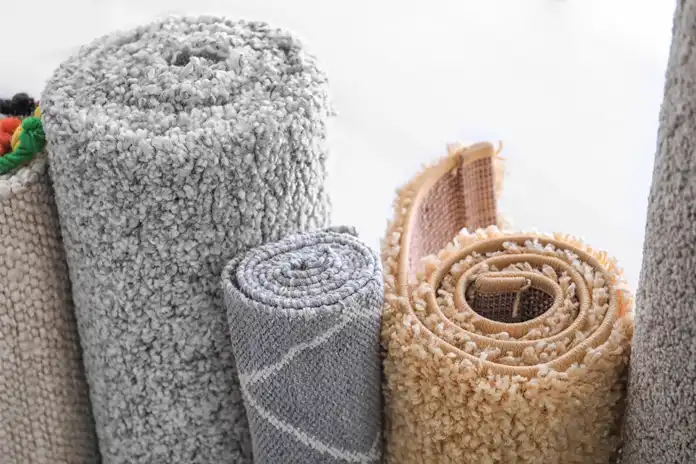
To store your rug correctly, lay it flat on a clean surface and roll it with the pile (the soft side) facing inwards. Insert acid-free paper between the layers to prevent friction and allow the rug to breathe. Do NOT fold the rug, as this can create permanent creases that ruin the texture. For details, see Jaipur Rugs.
4. Secure and Wrap
Use soft cotton straps to tie the rug. Always avoid rubber bands, as these can damage the fibers. Wrap your rug in breathable materials such as cotton sheets or kraft paper—NEVER use plastic, which traps moisture and can cause mildew. More advice can be viewed at Jaipur Rugs.
5. Choose the Right Environment
Select a cool, dry, and climate-controlled storage space, like a closet rather than a basement or attic where humidity fluctuates greatly. To protect your rug from moisture and pests, elevate it off the ground on shelves or tubes. For safe storage locations, refer to Jaipur Rugs.
Periodic Maintenance
During off-seasons, make sure to use cedar blocks or moth repellents to maintain rug condition. It’s wise to periodically inspect your rugs by unrolling them to check for any signs of wear or damage (Edward Martin). For a comprehensive look at storing wool rugs, also see here.
Ensuring Rugs Are Maintained on Time
The concept of rugs on time revolves around establishing regular maintenance schedules. This proactive approach involves:
Inspection and Cleaning Routines:
- Every 3-6 Months: Inspect and vacuum your wool rug to keep it free from dirt and debris, helping to prolong its beauty.
- Annually: Prepare for deeper cleaning routines or seasonal storage practices. For detailed timing suggestions, check Jaipur Rugs.
- Preventative Measures: Take steps to treat for moths before storing your rugs. This safeguard prevents damage that may accumulate over time (Blatchford’s).
Seasonal Checks
Regularly reassess your rugs during seasonal changes to protect against pests or moisture. Taking action before you store your rugs ensures their longevity and beauty.
Rug Resizing Considerations
Rug resizing is the process of altering a rug’s dimensions to fit a new space or to repair damage. Several reasons may necessitate this action, including:
- Adjustments for layout changes in your home.
- Repair of frayed edges or other forms of damage.
DIY Rug Resizing Tips:
- Measuring: Ensure that you measure your rug precisely.
- Using Scissors: Always use sharp fabric scissors for trimming, making cuts on the backing side to avoid damaging the visible fibers.
- Sealing Edges: When resizing, seal the cut edges properly with wool-friendly adhesive or fabric overlocking stitches and test on a small area first.
This DIY approach is best suited for minor adjustments where you need to change under 10% of the rug’s size, as improper resizing can lead to structural issues or unraveling.
Professional Rug Resizing
In some cases, opting for professional rug resizing is a wiser choice. Here’s when to consider it:
- For valuable, antique, or large wool rugs (where the cut is more than 10%).
- If the rug has structural damage or intricate patterns that require special care.
Choosing the Right Professional Service:
- Certified Experts: Seek professionals who specialize in oriental rug care and have the necessary qualifications.
- Expectations: During the resizing process, expect thorough inspection, custom cutting, and rebinding. The typical timeframe for this work is usually between 4-8 weeks, as detailed in Jaipur Rugs. For expert guidance on rug resizing, visit here.
Conclusion
In summary, storing wool rugs effectively involves thorough cleaning, proper rolling techniques, and maintaining controlled environments. Additionally, adhering to a rugs on time maintenance schedule ensures that your rugs remain in great condition. Finally, don’t hesitate to consider resizing options when necessary to maintain the beauty and function of your rugs. By following these best practices, you can protect your wool rugs from common threats and ensure they stay beautiful for years to come (Jaipur Rugs). Embrace these measures, and enjoy your lovely wool rug investment for many seasons! For further tips on maintaining your investment, explore our guide at here.