
How to Choose the Right Sized Area Rugs for Your Space
Estimated reading time: 6 minutes
Key Takeaways
- Understanding area rugs is crucial for functional decor.
- Different sizes serve various purposes – from defining spaces to enhancing aesthetics.
- Small oriental rugs can add character without overwhelming an area.
- Large oriental rugs unify furnishings and anchor room layouts.
- Measuring your space accurately is key to achieving the desired look.
Table of contents
Choosing the right area rugs is essential for creating a harmonious and inviting space in your home. The perfect rug not only enhances the aesthetic appeal but also contributes to the overall comfort and functionality of a room. This blog post will guide you through comparing sizes, with a special focus on small oriental and large oriental rugs, helping you determine the best fit for different rooms in your house.
Defining Key Terms and Concepts
An area rug is a piece of floor covering designed to occupy part of a room rather than covering the entire floor. This differs from wall-to-wall carpeting, as area rugs can be easily moved, replaced, or layered to enhance a room’s design (Home Depot – Rug Sizes).
What are Area Rugs?
- Area rugs can be small, medium, or large.
- Small rugs: typically measure 2 × 3, 3 × 5, and 4 × 6 feet.
- Medium rugs: encompass sizes like 5 × 8, 6 × 9, and 7 × 9 feet.
- Large rugs: common dimensions include 8 × 10, 9 × 12, 10 × 14, and larger.
In terms of terminology, we often encounter phrases like rugs area, rugs and rugs, and rug rugs. These phrases generally refer to decorative or functional floor coverings. The distinctions lie mainly in dimensions, shapes, materials, and intended use, which we will explore further.
Comparing Sizes: Small Oriental vs. Large Oriental
When it comes to small oriental rugs and large oriental rugs, the key differences lie in their size and placement within a room.
Small Oriental Rugs
A small oriental rug, usually ranging from 2 × 3 to 4 × 6 feet, is versatile and can fit in various spaces:
- Typical placements include:
- Entryways and foyers
- Beside a bed
- In front of a fireplace
- Under a small coffee table
- In a cozy reading nook
- Beneath a compact desk
- Layered over a larger neutral rug
Small rugs often feature intricate designs that act almost like artwork. They introduce color and a pattern without overwhelming a room, making them ideal for minimalist interiors or spaces where large rugs may obstruct movement.
Large Oriental Rugs
On the other hand, large oriental rugs, typically 8 × 10 feet or larger, serve more substantial roles in living areas and dining spaces:
- Typical placements include:
- Anchoring complete seating arrangements
- Uniting furniture like sofas, chairs, and coffee tables
- Adding warmth to an expansive layout
- Creating focal points that draw the eye
A large oriental rug provides the entire pattern with room to develop, revealing borders, field details, and nuances of design. However, be cautious—oversized rugs can overwhelm smaller rooms, particularly if their patterns are dense or colors contrasting.
Understanding Rug Measurement and Suitability
To choose the right size rug for your living area, follow these steps to measure your room accurately.
Step 1: Measure the Room
Start by recording the room’s length and width. Aim to leave 18 to 24 inches of visible flooring around the rug’s edges when possible. Consider a practical example: in a 10 × 12-foot room, an 8 × 10 rug could fit well, provided furniture arrangements allow for this size.
For a deeper understanding of measuring rugs, visit Architectural Digest – Rug Sizes.
Step 2: Measure the Furniture Arrangement
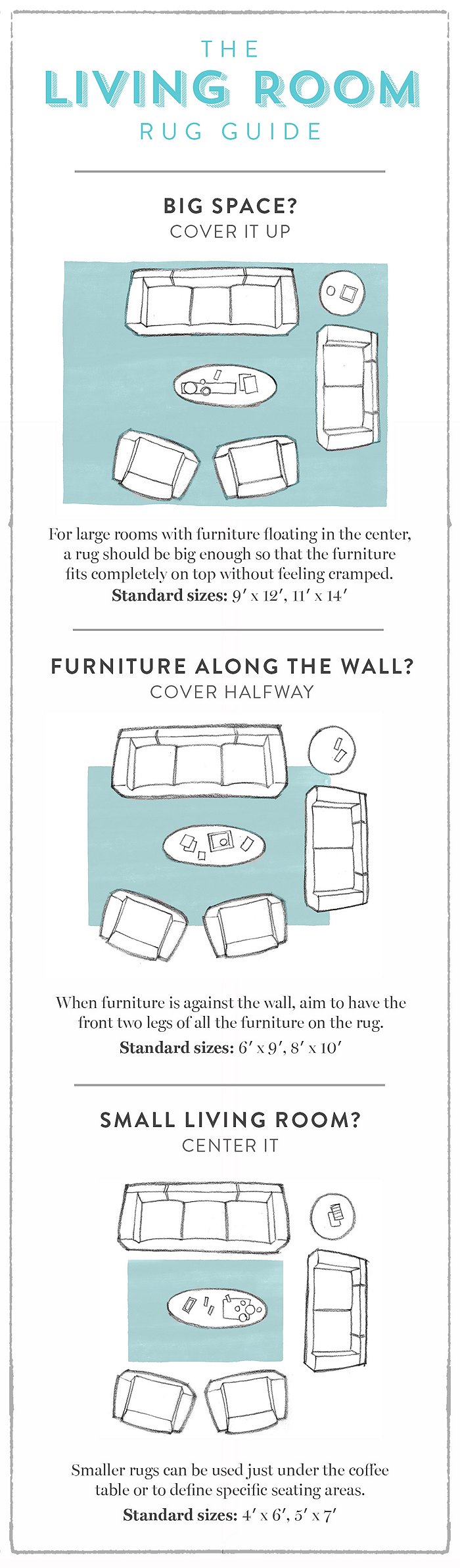
The next step focuses on your furniture. The rug should typically accommodate either:
- All major furniture legs resting on the rug, or
- At least the front legs of the sofa and chairs.
Remember, if you have floating furniture, allow the rug to extend beyond the furniture, reinforcing a cohesive arrangement.
Step 3: Use Painter’s Tape
A practical tip for visualizing your selected rug size is to mark dimensions on the floor with painter’s tape. This simple action helps assess walking paths, door clearance, and alignment, ultimately ensuring your rug choice is ideal and unobtrusive (Bob Vila – Types of Rugs).
Evaluating Different Rug Types and Their Applications
Choosing between a small oriental rug and a large oriental rug depends on their intended application and the specific dynamics of the room.
Small Oriental Rugs: Ideal Situations
Small Oriental rugs are excellent for defining zones within a room, particularly when:
- You’re highlighting unique features without overcrowding space.
- The area is narrow or irregularly shaped.
- You want to add colorful accents.
- You’re furnishing a small reading corner or office.
Large Oriental Rugs: Best Uses
Conversely, large oriental rugs shine in larger, more open spaces, especially when:
- The room contains an extensive furniture arrangement.
- You aim for unified, aesthetically appealing layouts.
- The rug serves as a significant design element in the room.
Practical Examples
- Living Rooms: Choose a smaller rug when seating is tight and the room has distinct activity zones. A larger rug works well for open layouts to visually connect multiple pieces.
- Dining Rooms: Ensure the rug extends beyond the table for comfortable chair movement. Small rugs may cause chairs to become unstable as they can catch on edges.
- Bedrooms: Position a large rug under the bed for a complete look, or place small rugs beside the bed for decorative accents.
- Entryways and Hallways: Small Oriental rugs are more functional here, as they define spaces without obstructing doorways. Using runners can enhance narrow hallways.
For more comprehensive tips on choosing area rugs, see A Comprehensive Guide to Choosing the Perfect Area Rugs for Your Space.
Making an Informed Decision
To help you navigate your rug selection, here’s a handy checklist:
Rug Decision Checklist
- Assess Room Functionality: Understand whether the space is a dining room requiring full table coverage or an entryway needing a compact accent.
- Furniture Compatibility: Determine if you want all furniture legs on the rug or just the front legs.
- Measure for Accuracy: Take precise dimensions of your room and the intended furniture arrangement.
- Clearance Checks: Ensure doors, vents, and walkways remain unobstructed.
- Visible Flooring: Leave enough visible floor around the rug to frame it aesthetically.
- Scale of Patterns: Consider whether a small oriental rug highlights a motif better than a large one displaying complete designs.
- Maintenance Levels: High-traffic areas may benefit from durable rugs that are low in pile height.
- Visual Connectivity: Ensure the rug connects the various furniture pieces in the room.
- Shape Suitability: Evaluate if a different shape may work better for your space.
- Terminological Clarity: Don’t get lost in the jargon—focus on dimensions and intended use.
Overall, the right area rugs will enhance your space, complement your furniture, and reflect your style.
Conclusion
In conclusion, choosing the perfect area rugs for your rooms hinges on understanding their size, function, and aesthetic contribution. Comparing small oriental and large oriental rugs allows you to make better decisions that not only enhance your home’s beauty but also improve its functionality.
As you shop for the right sized rug, remember to reflect on your room dimensions and needs. For further insights on selecting area rugs, explore Choosing the Right Size and Style for Area Rugs.
Happy rug hunting!
Frequently Asked Questions
- How do I choose the right size rug? Measure your space and consider furniture placement.
- Can I use small rugs in large rooms? Yes, small rugs can define areas and create visual interest.
- What styles are best for different rooms? Consider the function of the room and color palette when choosing styles.