
Persian Rugs History: Unraveling the Tapestry of Time
Estimated reading time: 8 minutes
Key Takeaways
- Persian rugs have a rich history dating back over 2,500 years.
- They reflect the cultural and artistic evolution of Persian society.
- Different historical periods contributed unique designs and techniques.
- High-quality materials like wool and silk play a significant role in their value.
- These carpets serve as cultural artifacts, symbolizing wealth and heritage.
Table of contents
Persian rugs history is an intricate narrative that intertwines artistry, culture, and craftsmanship over the course of thousands of years. These stunning textiles are not merely decorative items; they are luxurious artifacts and historical chronicles reflecting the profound heritage of the Persian people. Through their colors, designs, and textures, Persian carpets offer glimpses into the societies and eras that produced them. For a broader insight into the rich heritage and cultural significance of these textiles, check out https://buyprg.com/persian-rugs-history-overview/. This blog post will take you on a journey through the rich history of Persian rugs and their enduring significance.
Historical Overview of Persian Rugs
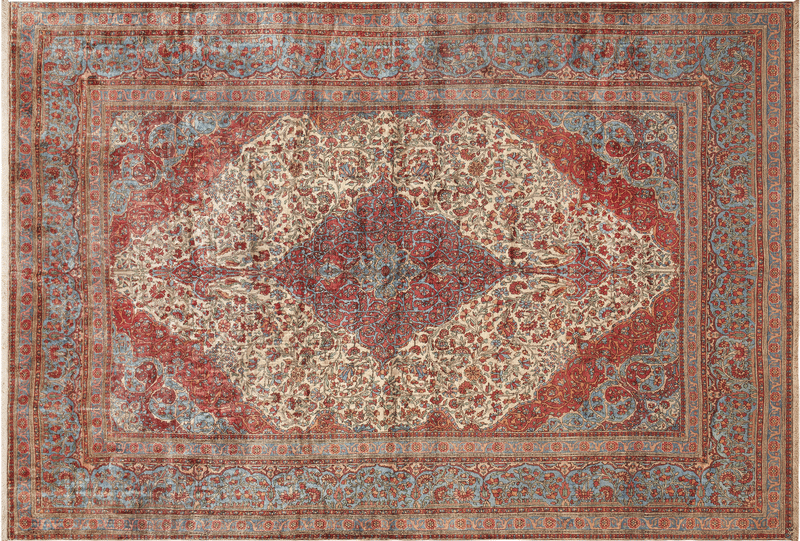
The historical overview of Persian rugs reveals that their origins stretch back over 2,500 years. The earliest examples were discovered among nomadic tribes in Central Asia. One of the first documented instances of Persian rugs comes from the Achaemenid Empire, which existed from 550 to 330 BCE. Although we attribute many rug-making techniques and designs to this era, hints of such artistry predate it considerably. Early rugs primarily served practical purposes, crafted from wool, designed to provide warmth and comfort, and often adorned with nature-inspired or tribal patterns. As time passed, Persian rugs transformed from functional items into emblems of craftsmanship and cultural identity. Learn more about the evolution of rug patterns at this link. During the Sasanian period (3rd to 7th century CE), carpets gained significant prestige, with some exquisite pieces being woven from silk and gold threads, highlighting their luxurious nature. The Safavid era, spanning from the 16th to the 18th century, is regarded as the golden age of Persian rug-making. Under royal patronage, carpets became celebrated works of art featuring intricate floral designs and medallions, reflecting a mastery of technique, artistry, and cultural expression.
For more on the historical roots of Persian rugs, visit Catalina Rug and Denver Area Rug Cleaning.
Detailed Exploration of Persian Carpets History
The detailed exploration of Persian carpets history showcases how these textiles evolved, signifying a fusion of artistic innovation and regional influences through the centuries:
- Islamic Golden Age (7th–13th centuries): Persian carpets integrated intricate Islamic motifs, such as geometric designs, calligraphy, and arabesques, while maintaining traditional craftsmanship. This fostered a unique style appreciated across cultures.
- Mongol and Timurid Periods (13th–16th centuries): These tumultuous times introduced new designs and knotting methods that enhanced the visual complexity of Persian rugs. The blend of various influences enriched their artistry.
- Safavid Dynasty Contributions: Under the Safavid rule, rug-making reached peak technical sophistication. Persian carpets evolved into crucial diplomatic gifts, symbolizing status and fostering international relations. In this era, when exquisite pieces began incorporating silk and gold threads, you can further explore the opulence and refinement offered by luxurious textiles at this link.
- Modern Era: By the late 19th and early 20th centuries, foreign demand transformed the Persian rug market. European tastes influenced designs and sizes, leading to the establishment of commercial workshops and a more standardized production process.
In-depth information can be found at Eram Rugs and James Broad.
Insight into Iranian Carpet History
The insight into Iranian carpet history delves into the subtle differences between terms and techniques. While “Persian” carpets pertain to a historical context within modern-day Iran, “Iranian” carpets encompass the broader tradition of weaving within Iran.
- Regional Differences: Renowned areas like Tabriz, Kashan, and Isfahan each boast unique weaving styles, knot types, and color palettes, contributing distinct characteristics to their carpets.
- Terminology Clarification: In the global marketplace, “Persian carpet” embodies prestige while “Iranian carpet” emphasizes geographic identity. Both terms underline the enduring quality and craftsmanship intrinsic to these textiles.
Iranian carpets are celebrated for their exceptional knot density, vibrant natural dyes, and motifs inspired by Persian poetry and mythology, adding layers of cultural richness to each piece. For more clarity on the distinction and significance of these carpets, check Wikipedia and Denver Area Rug Cleaning.
The Role of the Persian Loom
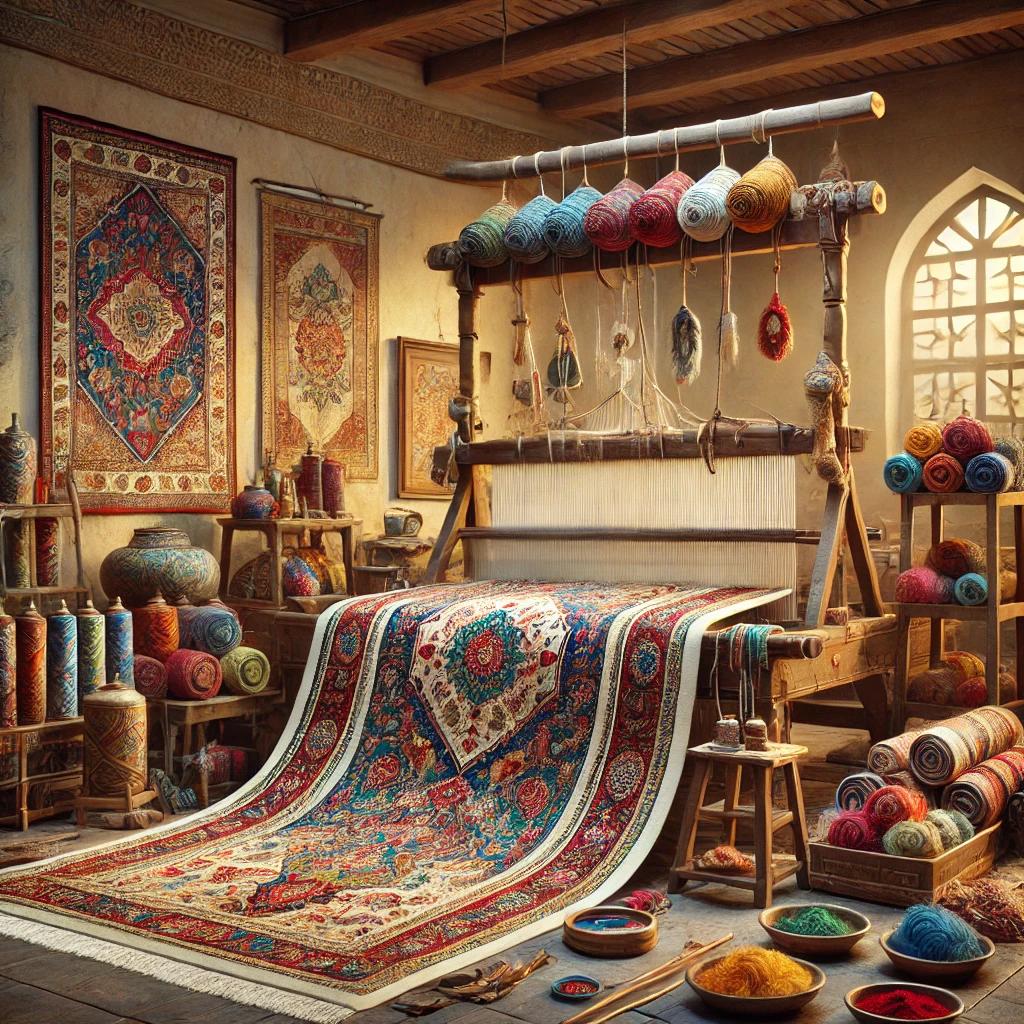
The role of the Persian loom is central to the creation of exquisite rug designs. Traditional looms, whether horizontal (ground) or vertical (standing), are instrumental in producing dense and durable weaves. The loom’s structure allows artisans to create large tapestries with detailed designs, enabling the artistry of Persian carpets to shine through. Fine detailing, characteristic of Persian rugs, stems from the precision provided by these traditional looms. This craftsmanship ensures that each knot is well-placed, contributing to the overall beauty and longevity of the carpets. Learn more about traditional weaving techniques at this link.
The Use of Wool in Persian Rugs
The use of wool in Persian rugs is a testament to the careful selection of materials that influence their texture and appeal. Wool is favored for its softness, strength, and ability to absorb vibrant dyes, making it the primary material in most Persian carpets.
- Quality of Wool: High-quality wool sourced from Persian sheep breeds contributes to the rugs’ superior texture, durability, and longevity. It also enhances the overall value of the carpets due to the combination of material quality and skilled craftsmanship.
- Additional Materials: While some luxurious pieces incorporate silk for added shimmer, wool remains the dominant choice. Its practical advantages and classic beauty make it the preferred fiber in rug production. For insights into how foundational materials contribute to a rug’s structure, see this link.
For additional insights into the importance of wool in Persian rugs, visit Catalina Rug and McGill OSS.
Cultural and Social Impact
The cultural and social impact of Persian rugs extends far beyond their artistic value. These textiles hold significant meaning as cultural artifacts, reflecting the socio-economic conditions of their time. They symbolize prosperity, hospitality, and social status within Iranian society.
Moreover, Persian rugs serve as vehicles for preserving knowledge, regional identity, and religious values through shared weaving traditions. Today, they remain highly relevant as both art forms and significant economic assets, representing essential non-oil exports for Iran.
For a deep understanding of the cultural significance of Persian rugs, explore the articles on Catalina Rug and Denver Area Rug Cleaning.
Conclusion
In summary, understanding Persian rugs history unveils a tapestry woven from centuries of artistry, craftsmanship, and cultural expression. From their ancient beginnings to their modern interpretations, these carpets carry not only the beauty of design but also the profound stories of the people who create them.
We encourage readers to explore further and appreciate the rich history and artistry behind both Persian and Iranian carpets. Each piece tells its own story, connecting us to a timeless tradition that transcends geographical and cultural boundaries. To dive deeper into the enchanting world of Persian rugs, consider visiting the sources provided throughout this post, including Catalina Rug, Denver Area Rug Cleaning, and James Broad.
Frequently Asked Questions
Q1: What makes Persian rugs unique?
A1: Persian rugs are unique due to their intricate designs, high-quality materials, and rich cultural heritage that reflects the artistry of their creators.
Q2: How can I identify an authentic Persian rug?
A2: Authentic Persian rugs typically feature a high knot count, vibrant colors made from natural dyes, and patterns that are consistent with traditional designs from specific regions.
Q3: Are Persian rugs a good investment?
A3: Yes, due to their craftsmanship, historical significance, and beauty, Persian rugs can be considered valuable investments that appreciate over time.