
Understanding What Affects Rug Value
Estimated reading time: 7 minutes
Key Takeaways
- The *age of the rug* is pivotal in determining its value, with older rugs typically being more valuable due to historical significance.
- Analyzing the *back of the rug* can reveal authenticity and quality, impacting value significantly.
- Understanding these factors can better equip buyers and collectors in their rug investments.
Table of contents
- Understanding Rug Age
- The Back of a Rug
- Wool Rug Durability
- Interconnected Factors Affecting Rug Value
- Conclusion
- Additional Resources
- FAQ
Evaluating the value of a rug is essential for both buyers and collectors, as it informs purchasing decisions and investment strategy. Understanding the factors that contribute to rug value can significantly enhance your ability to make informed choices. One of the most crucial factors in determining a rug’s worth is rug age, which plays a pivotal role in assessing its rarity and historical significance. Additionally, the condition of the back of the rug and the durability of wool rugs are equally vital aspects that influence value. This comprehensive guide will explore these elements in detail, helping you appreciate what affects rug value.
Understanding Rug Age
Definition & Significance
*Rug age* refers to the time elapsed since a rug was created. It serves as a central component of appraisal. The older a rug is, the more likely it is to possess unique characteristics that enhance its value. Older rugs often carry a significant historical weight due to the craftsmanship and materials used, making them highly sought after by collectors (Rose Oriental Rugs).
Impact of Age on Value
A rug’s age greatly influences its rarity and historical significance. Antique rugs, particularly those made before the 20th century, often command higher prices due to their age and the quality of materials used. For instance, Persian rugs that date back to the 19th century are particularly prized by collectors because of their intricate designs and masterful craftsmanship (Nazmiyal Antique Rugs).
Methods to Determine Rug Age
- Analyzing Materials Used
– Natural fibers, such as wool and silk, are typically associated with older rugs, while synthetic fibers indicate more modern production (Catalina Rug). - Weaving Techniques and Knotting Styles
– Different knotting styles, densities, and weaving methods can help identify the time period when the rug was made. Expert knowledge in these areas is essential for accurate appraisal (City Rugs, Understanding Rug Appraisal: How to Determine the Value of Your Rug Investment). - Provenance and Origin
– Understanding a rug’s origin and the history behind it can also help determine its age. Specific motifs and patterns can indicate regional styles and their respective timelines, further aiding in appraisal (City Rugs).
Aesthetic Appeal and Collectibility
The age of a rug not only impacts its financial value but also its aesthetic appeal. Antique rugs are often appreciated for their unique patina and the story they tell. As rugs age, their colors may mellow and soften, creating an aesthetic that newer rugs cannot replicate. The blend of historical significance, artistic value, and craftsmanship makes antique rugs particularly collectible (Nazmiyal Antique Rugs).
Examples of Valuable Rugs
Antique Persian rugs, especially those crafted before the 19th century, are among the most sought after. These rugs often feature rich colors, intricate designs, and the high-quality wool that adds to their durability. Collectors consistently seek these items as icons of artistic achievement and historical importance in the textile world (Catalina Rug).
The Back of a Rug
Importance of the Back of a Rug
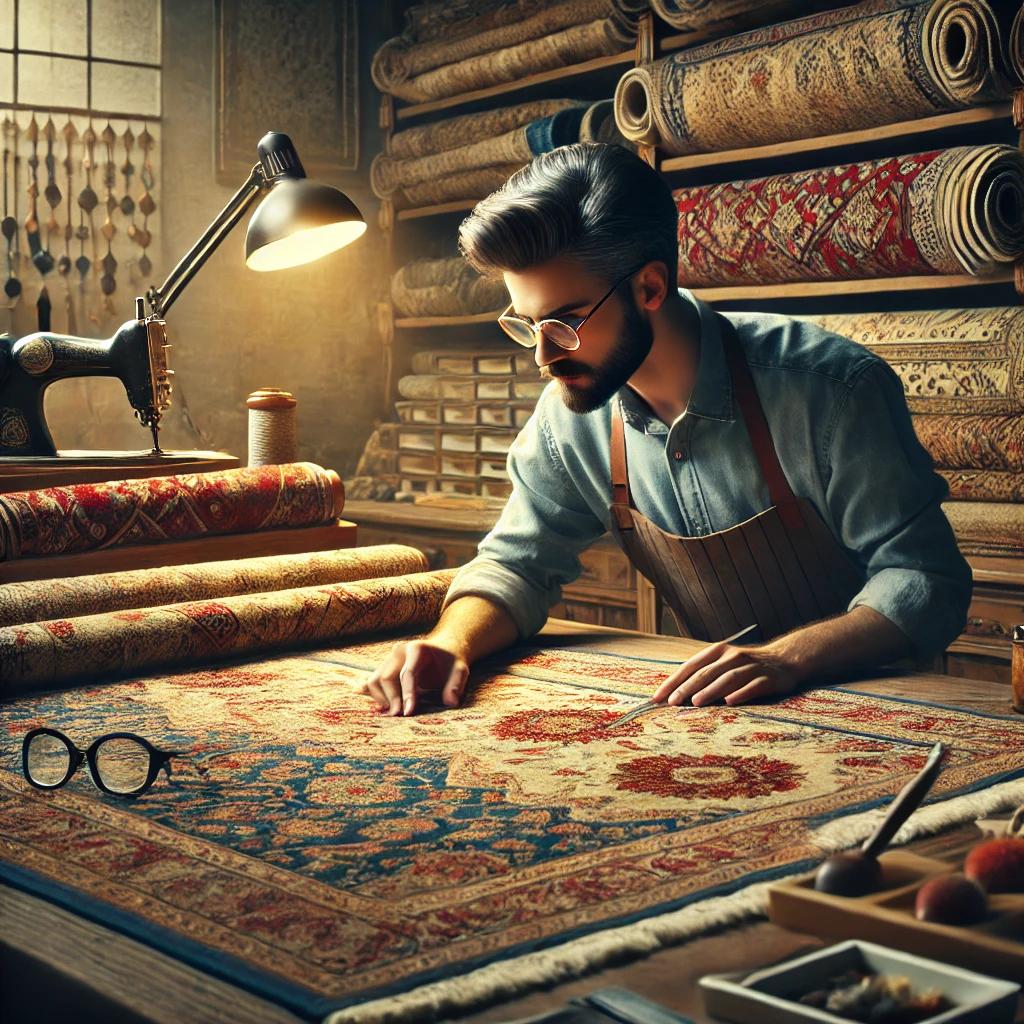
The back of a rug is a vital indicator of its authenticity and quality. Analyzing the back can reveal whether a rug is handmade or machine-made, which significantly affects its value. Authentic handmade rugs exhibit even knotting, consistent patterns, and quality materials (ABC Oriental Rug).
Focusing on the Back of Persian Rugs
When inspecting the back of Persian rugs, there are specific features to look for:
- Neat Knots: Quality Persian rugs will demonstrate expertly tied knots—a sign of superior craftsmanship.
- Natural-Fiber Foundations: Rugs made with high-quality base materials, such as cotton or silk, indicate a more valuable piece (City Rugs).
Quality Indicators
Here are some indicators of quality and authenticity to consider:
- Uniformity of Weaving: A well-made rug will have a consistent pattern seen from both the front and back.
- Knot Count (KPI): This refers to the number of knots per square inch; higher counts usually denote higher quality.
- Clarity of the Pattern: Clear designs enhance both aesthetic and market value.
- Fiber Type: Natural fibers tend to have a superior feel and look, adding to a rug’s desirability (ABC Oriental Rug, Spotting Quality: Tips for Evaluating Handmade Rugs).
Potential Issues Affecting Value
It’s crucial to be aware of red flags that can diminish the value of a rug:
- Uneven Wear: This may indicate improper care or a lack of quality in the rug’s production.
- Signs of Repairs: Visible mending can indicate a rug’s previous damage and might reduce its desirability in the market.
- Stains or Discoloration: Any marked areas can detract from both aesthetic appeal and overall value of the rug (ABC Oriental Rug).
Wool Rug Durability
Role in Value
*Wool rug durability* plays a significant role in maintaining and enhancing a rug’s value over time. High-quality wool rugs are known for their long-lasting nature, making them a worthwhile investment. Factors contributing to durability include resilience to wear and tear, color retaining capability, and overall construction quality (Catalina Rug).
Benefits of High-Quality Wool
Investing in a wool rug offers numerous benefits:
- Longevity: High-quality wool can withstand years of foot traffic without losing its appearance.
- Resistance to Wear: Wool fibers are resilient to abrasions and retain their shape over time.
- Color Retention: Quality wool does a better job of holding dye, resulting in vibrant, enduring colors (Khazaï Rug Cleaning).
Factors Influencing Durability
Several factors can influence the durability of a wool rug:
- Fiber Thickness: Thicker fibers often lead to a more robust rug.
- Weave Density: Tighter weaves enhance the rug’s longevity by providing greater structural integrity (City Rugs).
Maintenance and Care Tips
To ensure your rug remains in optimal condition and retains its value, consider these maintenance tips:
- Gentle Cleaning: Regularly dust your rug gently and avoid using harsh chemicals.
- Rotating: Periodically rotate your rug to ensure even wear on all sides.
- Addressing Spills Immediately: Promptly clean spills to prevent permanent staining.
- Avoiding Direct Sunlight: Protect your rug with methods that limit sun exposure, maintaining its rich colors and fibers (Renaissance Collection, Persian Rug Cleaning: A Step-by-Step Guide to At-Home Care and Wool Rug Durability).
Interconnected Factors Affecting Rug Value
Combined Impact of Factors
The interplay between rug age, the condition of the back, and wool durability is crucial in assessing overall rug value. For instance, an antique rug with an intact back and made from high-quality wool will inherently be more valuable than one suffering from significant wear or damage (Rose Oriental Rugs).
Additional Considerations
Beyond age, back condition, and durability, other essential factors also influence a rug’s value:
- Provenance: A documented history can significantly enhance a rug’s market appeal.
- Rarity: Unique patterns or limited quantities can drive up desirability and price.
- Quality of Craftsmanship: Exceptional workmanship invariably adds to the rug’s value (Renaissance Collection, Why Handmade Rugs Are a Better Investment Than Machine-Made Rugs).
Conclusion
In conclusion, evaluating age, the condition of the back, and wool durability are essential components when assessing rug value. Understanding a rug’s history, quality indicators, and its materials can significantly enhance your purchasing decisions, safeguarding your investment. Whether you are a buyer or a collector, expert evaluation should always be a priority to ensure you make well-informed choices in the rug market (Rose Oriental Rugs).
Additional Resources
- Guides on Rug Maintenance: Discover techniques for preserving your rug’s life and integrity (Renaissance Collection).
- Authenticating Rugs: Learn how to authenticate Persian rugs and other antique pieces (City Rugs).
- Professional Appraisal Guides: Access robust information on professional rug appraisal and valuation techniques (Buy PRG).
FAQ
Q: What is the most important factor in determining a rug’s value?
A: The most important factor is typically the *rug age*; older rugs usually fetch a higher price due to their rarity and historical significance.
Q: How can I tell if my rug is handmade?
A: Inspecting the back of the rug for uneven stitching, knotting styles, and materials used can provide evidence of its authenticity as a handmade piece.
Q: Does the type of wool used impact a rug’s value?
A: Yes, the type of wool, particularly high-quality wool, improves durability and aesthetic, enhancing the rug’s market value.
Q: Are repairs always detrimental to a rug’s value?
A: While repairs can affect value, limited and well-executed repairs may not significantly diminish the overall worth if the quality is maintained.
Q: Where can I get my rug appraised?
A: It’s recommended to consult a professional appraiser who specializes in rugs, as they have the expertise needed to evaluate various aspects accurately.