

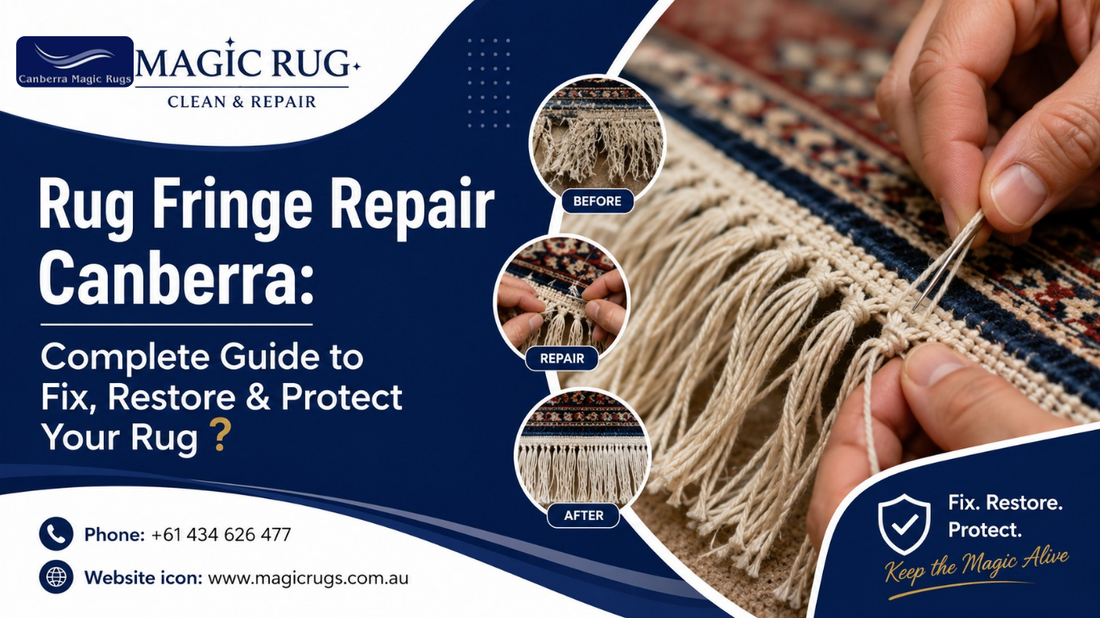
Rug Fringe Repair: Restore Your Rugs to Their Former Glory
Estimated reading time: 6 minutes
Key Takeaways
- Rug fringe repair is essential for both aesthetics and structural integrity.
- Professional repairs ensure proper material usage and technique.
- Understanding the various repair techniques can enhance rug longevity.
- Seeking expert help can prevent minor issues from escalating.
- Routine maintenance is key to preserving the quality of your rugs.
Table of contents
Rug fringe repair is an essential step in maintaining the beauty and longevity of your treasured rugs and carpets. This process involves restoring or replacing the fringe on rugs, which plays a critical role in both the aesthetics and structural integrity. If you’re noticing frayed ends, missing tassels, or loose threads, seeking professional fringe repair solutions is vital. Let’s explore the importance of rug fringe repair and how you can ensure your rugs are well taken care of.
For a more in-depth look at methods and benefits, check out our comprehensive guide on rug fringe repair.
Understanding Fringe Repair
Fringe repair is the process of restoring or replacing the warp ends that extend from a rug’s edges. This aspect of a rug is pivotal for maintaining both aesthetics and structural integrity. Common issues that lead to the need for fringe repair include:
- Fraying: Foot traffic, pets, and age can contribute to wear and tear.
- Missing or Uneven Tassels: This detracts from the rug’s overall appearance.
- Loose Warp Threads: Unraveling edges can threaten the structural foundation of your rug.
Explore key techniques and best practices in our detailed guide on rug fringe repair.
Benefits of Professional Repair
Choosing professional carpet fringe repair over DIY methods is crucial. While trimming or gluing may seem like quick fixes, they can lead to further damage. An expert can assess the weave and select compatible materials, ensuring that your rug not only looks good but also stays stable.
For additional insights into expert repair methods and why professional care matters, read our related article on rug fringe repair essentials.
Learn more about the importance of professional repairs at CLRugs.
Rug Fringe Repair: The Core Service
When you seek professional rug fringe repair, a detailed step-by-step process is followed to ensure quality results:
- Inspection and Diagnosis
The technician examines your rug’s foundation, weave, and extent of damage. - Stabilization
Loose warp threads are secured to prevent further damage. - Selection of Materials
Various fibers, such as cotton, wool, or silk, are chosen to match the original rug’s materials and appearance. - Repair or Reconstruction
Depending on the severity of the damage, the process may include reinforcement or complete replacement of the fringe. - Finishing and Trimming
The newly repaired fringe is evened and trimmed to create a balanced look. - Quality Review and Care Guidance
The completed work is reviewed, and the technician provides tips to help you maintain your rug.
Repair Techniques
Several techniques are used during the rug fringe repair process:
- Overcasting: This involves stitching over the rug’s end to prevent unraveling.
- Strand Insertion: Individual threads are added to fill in worn or missing areas.
- Hand Re-knotting: Rebuilding fringe using the original knotting method.
- Applied Fringe Replacement: Installing new fringe is necessary for extensive damage.
- Reweaving: Used when damage goes beyond just the fringe.
After exploring these techniques, you can further enhance your understanding by reviewing our guide on essential techniques to restore and maintain fringes here.
For deeper insights into these techniques, visit Ahmadi Rug and CLRugs.
Carpet Fringe Repair
Carpet fringe repair differs slightly from rug fringe repair due to varying construction methods. While both aim to restore damaged edges, the materials and methods can differ based on carpet design.
Common Scenarios for Carpet Fringe Repair
You may need carpet fringe repair if:
- Tassels become tangled or pulled loose.
- The carpet edge starts unraveling.
- A pet’s playful antics cause fibers to be pulled.
- Water or cleaning chemicals weaken the fringe.
Professional services can stabilize the damaged area, ensuring it bonds well with the existing structure.
For advice on when repairs make more sense over replacement, see our discussion on rug restoration vs. replacement.
Discover more at CLRugs.
Refringing Oriental Rugs
Refringing oriental rugs requires unique techniques and careful handling. The process involves securing exposed warp ends and matching fibers to blend with the original materials.
Key Techniques for Refringing
- Matching Colors: Fibers need to be dyed to blend seamlessly with the existing rug.
- Securing Warp Ends: This is essential to restore structural integrity.
- Maintaining Authentic Craftsmanship: It’s crucial to preserve the cultural and artistic value of oriental rugs.
Given their intricate designs and historical significance, refringing oriental rugs is especially valuable.
For additional insights on handling and restoring the fringes of oriental rugs, refer to our guide on rug fringe repair.
You can delve into more intricacies at Ahmadi Rug and CLRugs.
Why Choose Professional Fringe Repair Services
Engaging professionals for fringe repairs comes with numerous advantages, such as:
- Comprehensive Structural Assessment: Experts can identify whether damage is restricted to the fringe or if there’s broader damage to the rug.
- Use of Appropriate Materials: Professionals ensure that the materials used match those of your rug for consistent appearance and performance.
- Specialized Techniques: Techniques tailored to different types of damage lead to better results.
Consider seeking a professional inspection to ensure you receive the highest quality of service. Book a consultation today and receive a quote tailored to your needs.
Conclusion
Professional rug fringe repair is vital in maintaining the appearance and structural integrity of rugs. If you notice any damage to the fringes of your rugs or carpets, take action now to preserve their beauty and usability. For expert assistance, connect with us to schedule your repairs today. Don’t let minor fringe issues escalate into significant problems.
For further inquiries or to book a consultation, please contact us here.
FAQ Section (Optional)
How long does fringe repair usually take?
The duration of fringe repair depends on various factors like the rug’s size and type of damage. Minor repairs are generally quicker than more extensive reconstruction.
What are the typical costs associated with rug fringe repairs?
Costs vary based on the rug’s dimensions, age, and level of repair needed. An in-person assessment provides the most accurate estimate.
Can fringe be trimmed instead of fully repaired?
Trimming may improve the appearance, but it is not a substitute for proper repairs. If structural damage exists, professional inspection is necessary.
How should repaired fringes be maintained?
Avoid aggressive vacuum settings, address loose threads promptly, and ensure pets don’t chew on the repaired areas. Never attempt to glue or knot damaged fringe without professional guidance.
Restore Damaged Fringe Before the Problem Spreads
Professional fringe repair can reinstate the beauty and integrity of your rug while protecting its foundation. Whether you need routine rug fringe repair, specialized carpet fringe repair, or careful refringing of an oriental rug, expert assessment ensures that the method and materials used are appropriate for your unique piece.
Contact a qualified rug restoration provider to request a consultation, submit photographs, and obtain a repair estimate. Early intervention can prevent a small fringe problem from escalating into a larger issue.