
Understanding Rug Age and Its Impact on Value
Estimated reading time: 6 minutes
Key Takeaways
- Rug age greatly affects value and authenticity.
- Older rugs develop character and history, enhancing their market appeal.
- Examinations of the back of a rug are crucial for authenticity checks.
- Understanding wool rug durability is vital for investment decisions.
- Factors influencing collectability include age, craftsmanship, and material quality.
Table of contents
The evaluation of a rug’s authenticity and value largely hinges on rug age. Understanding its significance is crucial, particularly for collectors of rare and antique rugs. As rugs age, they gain unique characteristics that enhance their historical significance and investment potential. This blog post delves deep into the nuanced elements of rug age, its impact on value, and how to evaluate these factors when considering a rug purchase.
Significance of Rug Age in Value
Rug age significantly influences a rug’s overall value. Older rugs often demand higher prices due to desirable characteristics they develop over time, including wear and patina that reflect their journey. Here are some ways that rug age affects value:
- Wear: Older rugs exhibit natural wear that adds charm and authenticity.
- Patina: As rugs age, they develop a patina that signifies their history and adds depth to their appearance.
- Craftsmanship: The hand-crafted nature of older rugs often showcases superior workmanship that newer rugs lack.
Research findings support these insights:
- “Genuine antique Persian rugs exhibit fraying edges, fading colors, and worn spots, which enhance character and authenticity rather than diminish worth.” [Source: Visit Our Iran]
- “The hem or edging on aged rugs shows aging and wear from natural cotton or wool, confirming hand-finishing and longevity.” [Source: Visit Our Iran]
- “Higher knot density and consistent irregularities from hand-knotting also become more pronounced with time.” [Source: Visit Our Iran]
These findings underline the importance of rug age when determining overall value, especially for collectors and investors.
Features of the Back of a Persian Rug
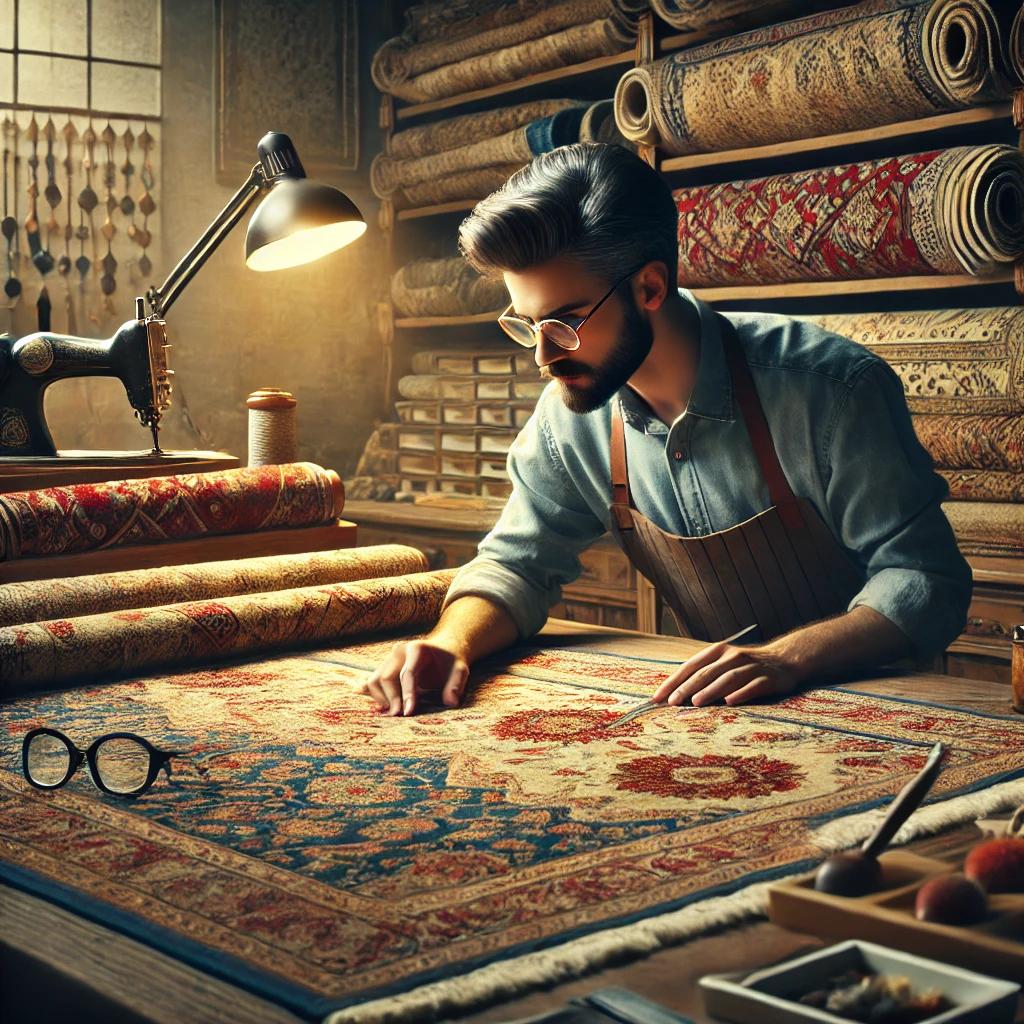
To evaluate a rug’s authenticity, examining the back of a Persian rug provides valuable insights. The features found on the back reveal much about the rug’s history and craftsmanship. For instance, readers interested in a deeper dive into authenticating techniques can learn more by reviewing this detailed guide: here.
- Individual Knots: Authentic hand-woven rugs will show individual knots that indicate hand-knotting.
- Natural Cotton or Wool Foundations: The use of natural materials speaks to quality and tradition.
- Imperfections: Unique knots and slight inconsistencies in design indicate craftsmanship.
Research indicates:
- “The back of a Persian rug mirrors the front design in authentic hand-knotted examples.” [Source: Visit Our Iran]
- “Tiny, consistent yet imperfect knots indicate high density.” [Source: Visit Our Iran]
These features not only help in verifying a rug’s authenticity but also provide insight into its age and overall quality.
Why Inspect the Back of a Rug
Inspecting the back of a rug is essential for confirming its origin, age, and quality. The back reveals construction elements that are invisible from the front. Key things to look for include:
- Visible Hand-Tied Knots: Authentic rugs should show irregular knots which signal hand-making.
- Seamless Fringes: Fringes should extend seamlessly from the rug body; sewn or glued fringes often indicate a fake.
- Soft Backing Quality: A high-quality rug will have a soft and flexible backing.
Research highlights the importance of this inspection:
- “Inspecting the back of a rug exposes construction elements invisible from the front.” [Source: Visit Our Iran]
By closely examining these features, buyers can gain vital information on the rug’s age, craftsmanship, and authenticity.
Wool Rug Durability
Wool rug durability is another critical factor for collectors and investors. Wool is known for its numerous benefits, making it a favored choice for rugs over the years. Here are the main advantages of wool in rug making:
- Natural Resilience: Wool rugs are highly durable and can last for generations when appropriately cared for.
- Antibacterial Properties: Wool naturally resists bacteria, making it an ideal material for rugs.
- Longevity: High-knot density and the use of vegetable dyes enhance the lifespan of wool rugs.
For additional context on the durability of rug materials – especially wool – check out this review of suitable rug options for high-traffic areas: here.
Research supports these points:
- “Wool’s antibacterial properties allow hand-knotted wool rugs to last generations.” [Source: Catalina Rug]
Understanding the durability of wool rugs is crucial for anyone considering purchasing an antique or collectible rug.
Interconnections Affecting Value and Collectability
Understanding the various interconnections between rug age, craftsmanship, and durability is vital when assessing a rug’s overall value and collectability:
- Age and Patina: As wool ages, it develops a patina that enhances its aesthetic and market value.
- Craftsmanship Features: The rug’s back details, along with visible wear, confirm authenticity that collectors prize.
- Durability Factors: High-quality materials and labor-intensive craftsmanship contribute to wear that appeals to collectors.
For further insights on how rug age ties into overall value, readers should explore: How Rug Age Impacts Value: Key Insights for Buyers and Collectors.
Research indicates:
- “Aged wool builds patina on a durable foundation.” [Source: Visit Our Iran]
These interconnected factors work together to elevate a rug’s worth, making it essential for buyers to consider them thoroughly.
Actionable Tips for Assessment
It’s crucial for buyers to be equipped with knowledge when evaluating a rug. Here are actionable tips to assess the elements discussed:
- Inspect the Back:
– Look for individual knots and ensure the design mirrors the front.
– Check that the fringes are natural extensions (not sewn).
– Ensure the backing is soft, not rigid or plastic-like. [Source: Visit Our Iran]
– For more comprehensive guidance on verifying your rug’s quality, consider reading: Spotting Quality: Tips for Evaluating Handmade Rugs.
- Check for Signs of Age:
– Observe any color fading or evident wear, particularly in high-traffic areas.
– Look for fraying on the hem and consider how it contributes to character. [Source: Visit Our Iran]
- Evaluate Materials:
– Confirm the rug’s foundation is made from natural wool or cotton, avoiding any synthetic components. [Source: Catalina Rug]
- Count Knots and Identify Signatures:
– A higher knot count usually signifies higher quality.
– Look for any weaver’s signature or unique motifs that speak to the rug’s origin. [Source: Visit Our Iran]
When in doubt, consult with certified experts who can offer insights beyond casual visual checks, especially for antique or valuable pieces.
Conclusion
In summation, understanding rug age, inspecting the back of the rug, and recognizing wool durability are vital in assessing a rug’s authenticity and value. These factors work interdependently to enrich a rug’s history and appeal, making them significant for collectors, investors, and buyers alike. By being informed and applying the tips outlined in this post, potential buyers can make wise decisions when it comes to purchasing or appraising a rug. For a comprehensive perspective on choosing the ideal rug, consider exploring: The Ultimate Persian Rug Buying Guide. Always remember that a well-informed decision is the best route to acquiring valuable and authentic rugs.