
Understanding Rug Age: How It Affects Value and What to Look For
Estimated reading time: 7 minutes
Key Takeaways
- Rug age significantly impacts its value, with older rugs often being more valuable.
- Signs of wear are crucial in determining rug age and authenticity.
- Different design elements can indicate the era of a rug’s production.
- Wool is the ideal material for durability, but it also has potential drawbacks.
- Understanding the interplay of factors affecting a rug’s value can guide better purchasing decisions.
Table of contents
**Rug age** is a key aspect to consider when buying or evaluating a rug. It refers to the chronological period of a rug’s creation, which signifies its historical context and craftsmanship. Understanding rug age helps assess the **value** and **historical significance** of a carpet. Generally, older rugs command higher prices due to their rarity, craftsmanship, and the unique patina they have developed over time. For more insights on how age impacts a rug’s worth, check out our post on [Understanding Rug Age: Key Factors Influencing Value and Longevity](https://buyprg.com/understanding-rug-age-value).
Besides age, the **material**—especially **wool rug durability**—and the **construction** methods greatly influence a rug’s worth. In this post, we will explore why rug age matters, how to evaluate it, and the various factors that affect a rug’s value.
Understanding Rug Age
Rug age plays a critical role in understanding a rug’s quality and craftsmanship. Older rugs often exhibit superior **hand-knotting** and use natural dyes, which enhance their authenticity and desirability. Let’s delve deeper into what rug age entails and how to evaluate it:
Signs of Wear
To determine a rug’s age, start by examining the signs of wear. Look for:
- Thinned pile: This can indicate that the rug has been walked on frequently over time.
- Uneven spots: Areas where the rug is worn down more than others suggest higher foot traffic.
- Gentle color fading (abrash): This can also suggest natural aging rather than artificial wear.
These signs provide insight into how much life the rug has lived, helping you estimate its age. For further details, please visit [Rug Laundry](https://ruglaundry.com.au/how-to-determine-the-age-of-a-rug/) and [Nazmiyal Antique Rugs](https://nazmiyalantiquerugs.com/blog/how-old-is-my-rug-age/).
Design Elements
Next, evaluate the design elements. Different eras have characteristic patterns. For instance:
- Ziegler Mahal carpets showcase certain floral designs that speak to an era of production.
- Lotto styles are typical of specific periods and regions.
Being able to identify these patterns can significantly contribute to understanding a rug’s history and authenticity.
Construction Techniques
Finally, you must check the construction techniques. Assessing the knots per square inch (KPSI) can reveal valuable information:
- Antique rugs often feature lower KPSI, which indicates a traditional method of weaving that offers unique charm.
- Modern rugs usually have a higher KPSI due to advancements in weaving techniques.
A rug with a lower density of knots may be more valuable if it is also older and in good condition. For additional insights, refer to [Nazmiyal Antique Rugs](https://nazmiyalantiquerugs.com/blog/how-old-is-my-rug-age/) and [Behnam Rugs](https://behnamrugs.com/how-old-is-my-rug/).
The Back of a Rug as an Indicator
Examining the back of a rug is crucial when evaluating its authenticity and condition. The back reveals various elements that may not be visible from the front. For further guidance on authenticating your rug, see [How to Identify an Authentic Persian Rug: A Buyer’s Guide](https://buyprg.com/how-to-identify-an-authentic-persian-rug-a-buyers-guide/).
Key Characteristics to Look For
When inspecting the back of a rug, consider the following characteristics:
- Texture: The back should feel grainy or smooth based on the quality of weaving. New rugs often feel fuzzy, while older ones feel more natural.
- Visible pattern outlines: These suggest that the rug is hand-woven rather than machine-made.
- Flexibility versus stiffness: Older rugs tend to be more flexible, while modern pieces might feel stiff due to their construction.
- Signs of repairs or foundation materials: Check for repair marks or fabric types used for the foundation. Wool warps suggest an older rug, while cotton might indicate newer production.
To understand the significance of these traits, explore [Nazmiyal Antique Rugs](https://nazmiyalantiquerugs.com/blog/how-old-is-my-rug-age/) and [Behnam Rugs](https://behnamrugs.com/how-old-is-my-rug/).
Focus on Persian Rugs
When it comes to evaluating rug age and value, Persian rugs are unique. Their construction methods and knotting types significantly contribute to their overall worth.
Knotting Techniques
In Persian rugs, the back commonly shows either:
- Asymmetrical knotting: Often associated with Turkish styles.
- Symmetrical knotting: Typical for Persian pieces.
These intricacies can be indicators of quality. A rug featuring higher KPSI tends to indicate superior craftsmanship, while visible patterns and oxidized threads suggest authenticity.
Comparison with Navajo Rugs
It’s important to compare Persian rugs with other styles, such as Navajo rugs. Here are some distinguishing features:
- Navajo rugs typically display geometric patterns and have their own methods for dyeing that cause predictable fading.
- Persian rugs not only often have lower KPSI in antiques but also provide a visible and rich texture from the dyeing process.
For additional context on Persian rug patterns and heritage, check out [The History and Significance of Persian Rug Patterns](https://buyprg.com/the-history-and-significance-of-persian-rug-patterns/).
Wool Rug Durability
**Wool** stands out as a preferred material for rugs due to its remarkable durability.
Advantages of Wool
Wool rugs have several notable advantages, such as:
- Durability: Wool fibers are inherently robust, able to withstand wear and tear over time. Quality wool rugs can last over 100 years with the right care.
- Resistance to wear: Wool develops a soft patina, enhancing its texture and appearance as it ages.
- Natural lanolin: This repels dirt and grime and helps maintain the rug’s beauty.
As you assess durability, keep an eye out for signs like foundational integrity, which indicates the quality of wool. To further explore durable rug options, read [The Best Rug Materials for High-Traffic Areas in Your Home](https://buyprg.com/the-best-rug-materials-for-high-traffic-areas-in-your-home/).
However, be mindful of potential downsides:
Limitations of Wool
Despite its many benefits, wool does come with drawbacks:
- Moth damage: Wool is susceptible to moth infestations.
- Synthetic blends: Some modern rugs include synthetic fibers which may compromise overall quality.
For a comprehensive understanding of wool durability and its relevance in valuing rugs, check out [Behnam Rugs](https://behnamrugs.com/how-old-is-my-rug/) and [Catalina Rug](https://www.catalinarug.com/blog/how-experts-tell-the-age-of-persian-rugs/).
Factors Affecting a Rug’s Value
When it comes to determining a rug’s overall value, there are three pivotal factors to consider: rug age, back quality, and wool durability.
Understanding the Interplay of Factors
These elements work together to establish a rug’s value:
- Rug Age: Antique pieces that exhibit natural wear command higher prices.
- Back Quality: Carpet backs that reveal authentic construction and wear can enhance a rug’s worth.
- Wool Durability: Rugs made from high-quality wool tend to last longer and maintain their appearance, making them more desirable.
Tips for Assessing Value
For collectors and buyers, consider the following tips when assessing these factors:
- Inspect for authentic wear: Look for signs of natural aging rather than artificial enhancements.
- Evaluate KPSI and texture: Rug density and feel can signify the quality of craftsmanship.
- Research style eras: Knowing different historical periods can help in identifying authentic designs.
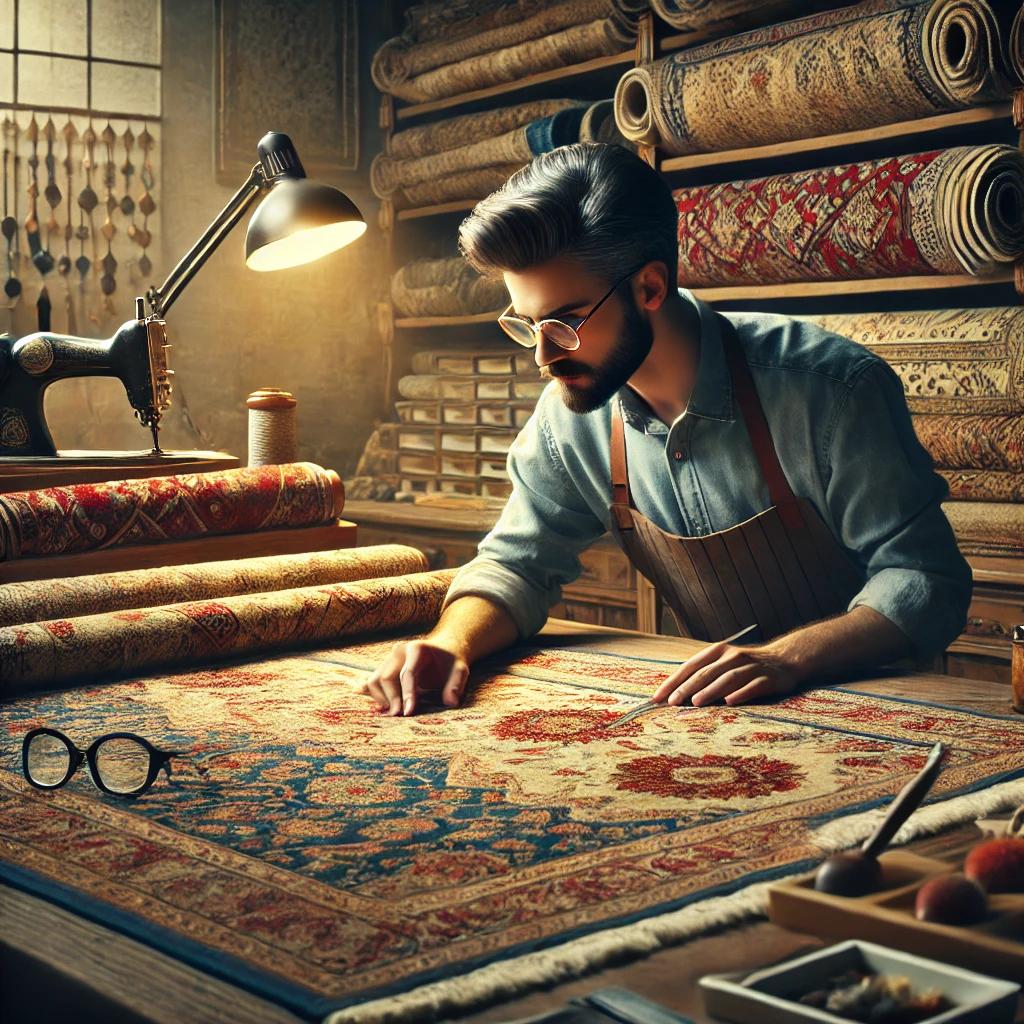
- Use magnification: A magnifying glass can reveal details such as artificial aging.
- Consult experts: Getting professional advice is invaluable for high-value pieces.
For a deeper dive into how rug appraisal can add perspective to your evaluation, see [Understanding Rug Appraisal: How to Determine the Value of Your Rug Investment](https://buyprg.com/understanding-rug-appraisal-value).
Conclusion
Understanding rug age is fundamental in evaluating historical context and authenticity. By examining the back of a rug, you can uncover vital information regarding its construction and quality attributes.
Additionally, wool durability plays a significant role in ensuring the longevity and value of a rug.
While assessing a rug’s worth, remember to investigate other factors such as dye authenticity, regional styles, and seek professional appraisals when needed. By doing so, you can ensure a comprehensive understanding of a rug’s overall worth, paving the way for informed purchases and collections.
For further insights on preserving and assessing the true value of your rug, consider exploring our detailed guide on rug appraisal ([Understanding Rug Appraisal: How to Determine the Value of Your Rug Investment](https://buyprg.com/understanding-rug-appraisal-value)).
For further insights, visit [Nazmiyal Antique Rugs](https://nazmiyalantiquerugs.com/blog/how-old-is-my-rug-age/) and [Rug Laundry](https://ruglaundry.com.au/how-to-determine-the-age-of-a-rug/).
Frequently Asked Questions
1. How can I tell the age of my rug?
Examine signs of wear, design elements, and construction techniques to get an idea of your rug’s age.
2. What should I look for on the back of the rug?
The texture, visible pattern outlines, flexibility, and signs of repairs are key indicators of quality.
3. Are Persian rugs more valuable than other types?
Typically, Persian rugs hold more value due to their craftsmanship and historical significance.
4. How do I maintain the value of my rug?
Regular cleaning, professional appraisals, and proper storage conditions can help maintain its value.
5. What materials are best for durability?
Wool is often considered the best material for durability in rugs.