

Persian Rugs History: A Journey Through Time, Culture, and Craftsmanship
Estimated reading time: 7 minutes
Key Takeaways
- Persian rugs are not only beautiful textiles but also represent rich history and culture.
- The craftsmanship has evolved significantly from ancient times to present day, incorporating various materials and techniques.
- Cultural significance is profound, with Persian rugs symbolizing status and artistry throughout history.
- Understanding the history and craftsmanship can enhance appreciation for these artful creations.
Table of contents
The journey of Persian rugs begins with their fascinating history that intertwines craftsmanship and cultural significance. Understanding their evolution offers deeper insights into the artistry involved and the narratives they hold from generations past.
Historical Overview of Persian Rugs
Tracing the origins of persian rugs leads us back to the Achaemenid Empire (550–330 BCE). Initially crafted from perishable materials, the art of rug making significantly evolved over time as techniques and materials improved. Nomadic tribes played a pivotal role in this evolution.
Key Historical Developments:
- Materials and Techniques: Early rugs were made with natural fibers, but wool’s durability became preferred.
- Cultural Context: The Islamic conquests introduced new styles and weaving traditions, enriching the Persian rug legacy.
For more historical insights, consider visiting Persian Rugs History: Unraveling the Tapestry of Time and Catalina Rug History.
Persian Rugs and Carpets History
The timeline of persian rugs history showcases a rich legacy of artistry.
Key Eras in Persian Rug Development:
- Achaemenid Era (550–350 BCE): The era of flat weaves from natural materials.
- Safavid Golden Age (1501–1722): This pinnacle of artistry produced rugs characterized by complex, intricate designs.
- Regional Differences: Styles emerged distinct to areas like Azerbaijan and Kashan, each with unique designs.
Notable Features of Persian Rugs:
- Floral Patterns: Representing nature’s influence.
- Medallions: Signifying balance and artistry.
- Hunting Scenes: Reflecting cultural themes surrounding nature.
Further insights can be gained from Denver Area Rug Cleaning and Catalina Rug History.
Iranian Carpet History
The contribution of Iran to iranian carpet history is significant.
Major Centers of Weaving:
- Tabriz: Renowned for exquisite craftsmanship.
- Kerman: Celebrated for its dense floral designs.
- Kashan: Often recognized for elaborate silk carpets.
Symbolic Patterns and Motifs:
- Graceful Flowers: Signifying natural beauty.
- Balanced Symmetry: Representing harmony in Persian culture.
- Central Medallion: A representation of the sun and life.
For more insights, refer to Catalina Rug History and Afra Rugs.
The Craft of Persian Looms
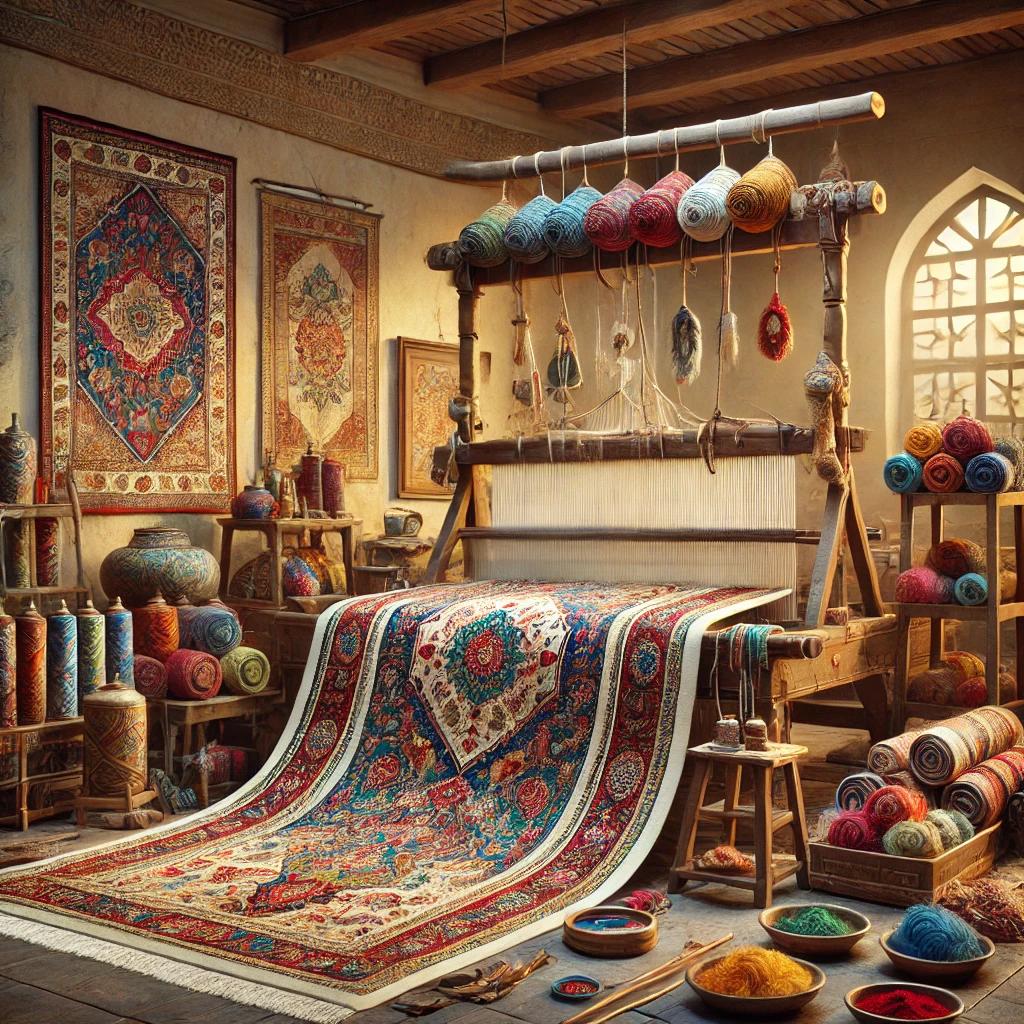
The expertise in using the persian loom has revolutionized the art of rug making.
Evolution of Loom Technology:
- Early Nomadic Looms: Portable looms facilitated weaving on the go.
- Fixed Workshop Looms: Introduced complexity in designs.
Innovations in Techniques:
Knotting Techniques have significantly contributed to the quality of Persian rugs, enhancing their beauty and durability.
More details can be found at Catalina Rug History.
Material Insights: Wool in Persian Rugs
Wool is the foundation of wool in persian rugs, ensuring beauty and longevity.
Process of Sourcing Wool:
- Local Sheep: Sourced for high quality.
- Traditional Dyeing Methods: Rich colors from natural dyes enhance longevity.
The Importance of Wool:
- Durability: Resilient against wear and tear.
- Aesthetic Qualities: Adds elegance through natural texture.
For further information, consider visiting Catalina Rug History.
Cultural Significance and Impact
The traditions surrounding Persian rugs encourage ongoing appreciation for their artistic and cultural importance.
Heritage and Diplomacy:
- Cultural Symbols: Reflecting Iran’s identity and creativity.
- Art Investment: Rising esteem in contemporary markets for collectors.
Summary of Cultural Impact:
Persian rugs encapsulate dual aspects of utility and royal elegance, making them treasures in both daily life and art.
Learn more about cultural significance at Denver Area Rug Cleaning.
Conclusion
Engaging with persian rugs history allows us to connect with a vibrant cultural legacy, celebrating the artistry behind these exquisite textiles and their ability to tell stories of the past.
To delve deeper into this heritage, consider visiting museums or artisan workshops to witness the intricate craft of Persian rugs.
Frequently Asked Questions
What are the most common materials used in Persian rugs?
Persian rugs primarily use wool, silk, and sometimes cotton, with wool being the most common due to its durability and beauty.
How can I identify a genuine Persian rug?
Look for distinctive patterns, quality of materials, and knotting techniques, as well as consulting with an expert if necessary.
What is the significance of the central medallion found in many Persian rugs?
The central medallion often symbolizes the balance of nature and the universe and serves as a focal point in the design.