
Hand Knotted Rugs: How to Make
Estimated reading time: 6 minutes
Key Takeaways
- Hand knotted rugs are a blend of art and function, created through centuries of craftsmanship.
- Understanding the history of rug making reveals the cultural significance behind each piece.
- The crafting process is labor-intensive, often taking 4 to 5 months to complete a single rug.
- Different cultural influences impact the design and techniques used, notably in Persian, Turkish, and Tibetan rugs.
- Modern innovations blend traditional methods with new technologies to preserve the integrity of the craft.
Table of contents
Hand knotted rugs are the epitome of traditional artistry, representing centuries of craftsmanship and cultural richness. This blog post explores hand knotted rugs how to make, delving into the intricate techniques used and their historical significance. These rugs are not just functional; they are cultural artifacts that reflect a deep appreciation for artistry and history.
Introduction to Hand Knotted Rugs
Hand knotted rugs have graced homes for thousands of years. They are carefully crafted by skilled artisans who tie thousands of knots using their hands, making these rugs durable and unique. The artistry involved in their creation highlights the craftsmanship that is often passed down through generations.
The aim of this post is to provide a comprehensive and engaging look at the art of crafting hand knotted rugs, presenting a rich history, an in-depth craftsmanship process, and specialized techniques, particularly related to Persian rugs. Readers will learn not only how these beautiful rugs are made but also the stories they carry with them.
Historical Context of Rug Making
The history of rug making dates back thousands of years, with evidence of knotted pile rugs from ancient civilizations in Persia, Turkey, and Central Asia. These rugs evolved from practical necessities for nomadic living to exquisite decorative art pieces in royal courts and luxury homes. For more insights into the longstanding traditions and evolving patterns, learn more about the history and significance of Persian rug patterns here.
Key Milestones in Rug Making
- Developments around 500 BCE: The loom was invented, allowing for more complex weaving techniques.
- Safavid Empire (1501–1736): Enhanced knotting techniques and high-density designs became standardized during this time.
The craftsmanship involved in making rugs has been heavily influenced by different cultures. Techniques have adapted over time, incorporating Persian, Turkish, and Tibetan influences often shaped by trade routes like the Silk Road.
Cultural Influences
The art of rug making has been influenced by various cultural practices and exchanges:
- Persian: Known for intricate floral patterns and medallions.
- Turkish: Characterized by bold, geometric designs.
- Tibetan: Features robust colors and textures thanks to rich natural dyes.
Traditional practices like hand-spinning wool and natural dyeing still persist today, ensuring that modern creations maintain a connection to their rich history.
For more, visit Jan Son Carpets and Wendy Morrison Design.
Hand Knotted Rugs: The Craftsmanship Process
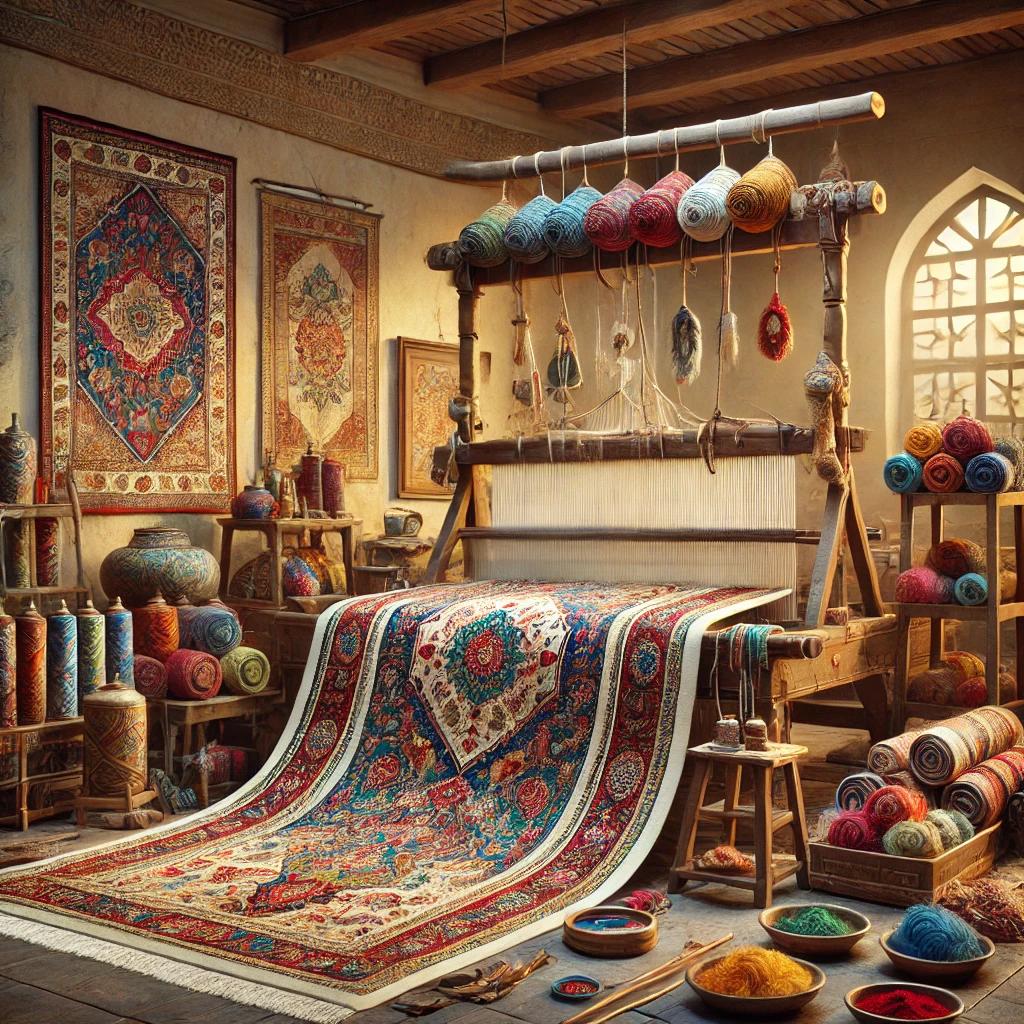
Creating hand knotted rugs is a meticulous and labor-intensive process that combines artistry with practical skills. It often takes 4 to 5 months to complete a single rug, depending on its size and complexity. Below, we explore the detailed steps involved in crafting these magnificent textiles.
Step-by-Step Guide on How to Make Hand Knotted Rugs
- Designing the Rug
Artisans begin by sketching out patterns on graph paper, carefully deciding on motifs, borders, and colors. These designs guide the entire weaving process. - Selecting and Preparing Materials
Materials are chosen based on the desired durability and aesthetics:
- Wool: Offers strength.
- Silk: Provides shine.
- Cotton: Acts as a foundation.
Artisans prepare the yarn by carding, spinning, and dyeing using natural materials. To understand more about dye performance and how to test for dye fastness at home, check out this guide: Testing Rug Dye Fastness at Home.
- Preparing the Loom
The loom is set up using a sturdy wooden frame. Taut vertical threads (known as warp) are stretched vertically, preparing for the horizontal weaving of the weft. - Knotting the Rug
Using various techniques, artisans tie knots row by row. For a closer look at how hand-knotted rugs differ from hand-tufted rugs in construction and durability, see this comparison: Hand-Knotted vs Hand-Tufted Rugs.
Weft threads are inserted for structural stability after each row of knots. - Weaving the Foundation
The weaver spends months or even years knotting, depending on the design intricacy and the number of knots per square inch, which can reach up to 1,000,000 knots in complex designs. - Trimming and Clipping
After the rug is woven, it is sheared to achieve an even pile height. This step ensures that the design is clear and visually appealing. - Washing and Drying
The rug is washed multiple times to remove excess dye and soften the fibers. It is then dried in the shade or sun to maintain color vibrancy. - Stretching and Finishing
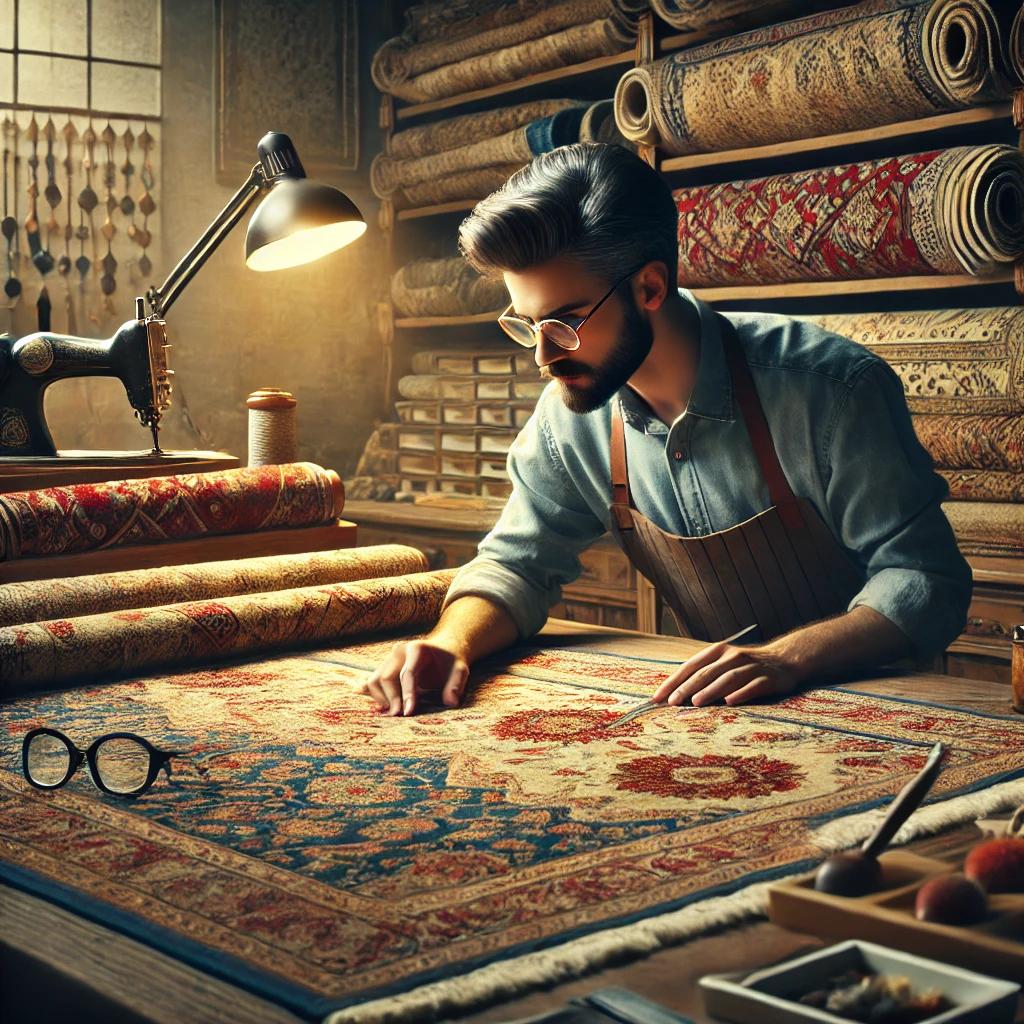
The rug is pinned to flatten and achieve its final shape, with quality checks being performed throughout. - Inspection
Lastly, the rug undergoes a final inspection to ensure it meets quality standards before being packaged.
Materials and Tools Needed
- Materials:
Wool, silk, and cotton yarn.
Natural plant dyes for coloring. - Tools:
Loom, scissors, hooks, and various specialized tools for weaving and trimming.
Skills, Challenges, and Tips
- Skills Required:
Steady hands and the ability to read patterns are crucial. - Common Challenges:
Maintaining even tension throughout the weaving process is vital. Uneven tension can cause warping. - Tips for Beginners:
Practice on smaller projects before tackling larger rugs.
Use a crochet hook to maintain even rows during weaving.
For in-depth details, you can reference Jan Son Carpets and Comin’ Home.
Persian Rugs Techniques
Specialized Persian rugs techniques play a crucial role in what makes these rugs unique. The Persian knot, also known as the Senneh knot, is a hallmark of Persian rug artistry. Explore more about the traditional art of Persian rug weaving and the techniques that have been passed down through generations at this resource: The Art of Persian Rug Weaving.
Knot Types and Design Features
- Asymmetrical Persian Knot:
Allows for exceptional detail and smooth curves.
Typical of central medallions and intricate floral designs. - Design Elements:
Persian rugs often feature medallions surrounded by elaborate floral motifs.
These designs are dyed with natural extracts, providing depth and richness.
Comparison with Other Techniques
- Turkish Rugs:
Utilize symmetrical knots, allowing for geometric designs and precision. - Tibetan Rugs:
Feature a doubled warp approach that maximizes density and durability.
The unique knotting methods and design styles not only distinguish Persian rugs but also influence global carpet making practices. The Persian approaches prioritize subtlety, creating heirloom-quality pieces that stand the test of time.
For more insights, check Jan Son Carpets and Wendy Morrison Design.
Integration of Historical and Modern Approaches
The history of rug making continues to impact modern techniques, as traditional practices are still celebrated today.
Influence of Historical Techniques
Traditional methods like manual knotting and hand dyeing maintain significance in contemporary rug production. Artisans balance these time-honored techniques with innovations like automated looms.
Modern Innovations
- Tools and Technology:
New loom designs enhance efficiency while still allowing for the finesse required in hand-knotting. - Synthetic Dyes:
Provide consistency and color stability, although many artisans prefer natural dyes for their unique qualities.
As artisans navigate this blend of old and new, they strive to preserve authenticity and craftsmanship. For additional resources, visit Wendy Morrison Design.
Conclusion
Our exploration of hand knotted rugs how to make has journeyed through the history of rug making, detailed the craftsmanship involved, and dissected the intricate Persian rugs techniques. Each rug represents not just a floor covering but a piece of cultural heritage and artistic excellence.
By understanding these techniques and the rich history behind them, we can appreciate the craftsmanship and stories woven into each rug. For a detailed walkthrough of the knotting process, visit our step-by-step guide here: Hand Knotted Rugs How to Make. We invite you to explore or even engage with this enchanting craft, carrying on its legacy for future generations.
Additional Resources and FAQs
Further Reading and Tutorials
- Step-by-step video on Turkish knots: YouTube demo with tools
- Persian knot tutorial: Willyarn video
- Full process tour: Hand-knotted rugs weaving
- DIY loom tips: Comin’ Home guide with photos
FAQs
- How long does it take to make a hand knotted rug?
It can take anywhere from weeks to years, with intricate rugs requiring up to 4–5 months. - What are the main steps in rug making?
Key steps include designing, material preparation, loom setup, knotting, washing, and finishing. - What is the difference between Persian and Turkish knots?
Persian knots are asymmetrical and used for curvilinear designs, while Turkish knots are symmetrical, suited for geometric patterns. - What are some beginner tips for making hand knotted rugs?
Start small, ensure tight rows with a crochet hook, and practice on low-cost looms. - What materials are best for beginners?
Wool yarn, cotton for the warp, and basic hooked knife.
For additional examples and tutorials, feel free to explore the links provided above.