
Persian Rug Buying Guide
Estimated reading time: 7 minutes
Key Takeaways
- Understanding the *craftsmanship* and *cultural significance* of Persian rugs is essential.
- Evaluating rug quality focuses on features like the *back*, *KPSI*, and *materials*.
- Rug age influences both *valuation* and *condition*.
- Identifying high-quality rugs requires assessing *authenticity* and *craftsmanship*.
- Proper care ensures longevity and *investment value*.
Table of contents
Introduction
When it comes to home decor, few items match the allure and charm of a *Persian rug*. This Persian rug buying guide is designed to assist you in evaluating, pricing, and choosing the perfect rug for your space. Understanding the unique characteristics of Persian rugs is essential for making well-informed decisions that will satisfy aesthetic and investment needs.
For insight into the rich heritage and craftsmanship behind these pieces, you can also explore the traditions of their creation at https://buyprg.com/the-art-of-persian-rug-weaving-a-tradition-worth-preserving.
In this comprehensive guide, we will delve into crucial aspects such as rug age, quality, and specific features like the back of a Persian rug. The goal is to equip you with the knowledge needed to navigate the market confidently. As stated in various resources, “A complete Persian rug buying guide should walk readers from understanding what makes Persian rugs unique through evaluating quality, age, and value, then on to where to buy and how to care for the rug as an investment.” (Source: Finerug Collection, BuyPRG).
Understanding Persian Rugs
Overview of Persian Rugs
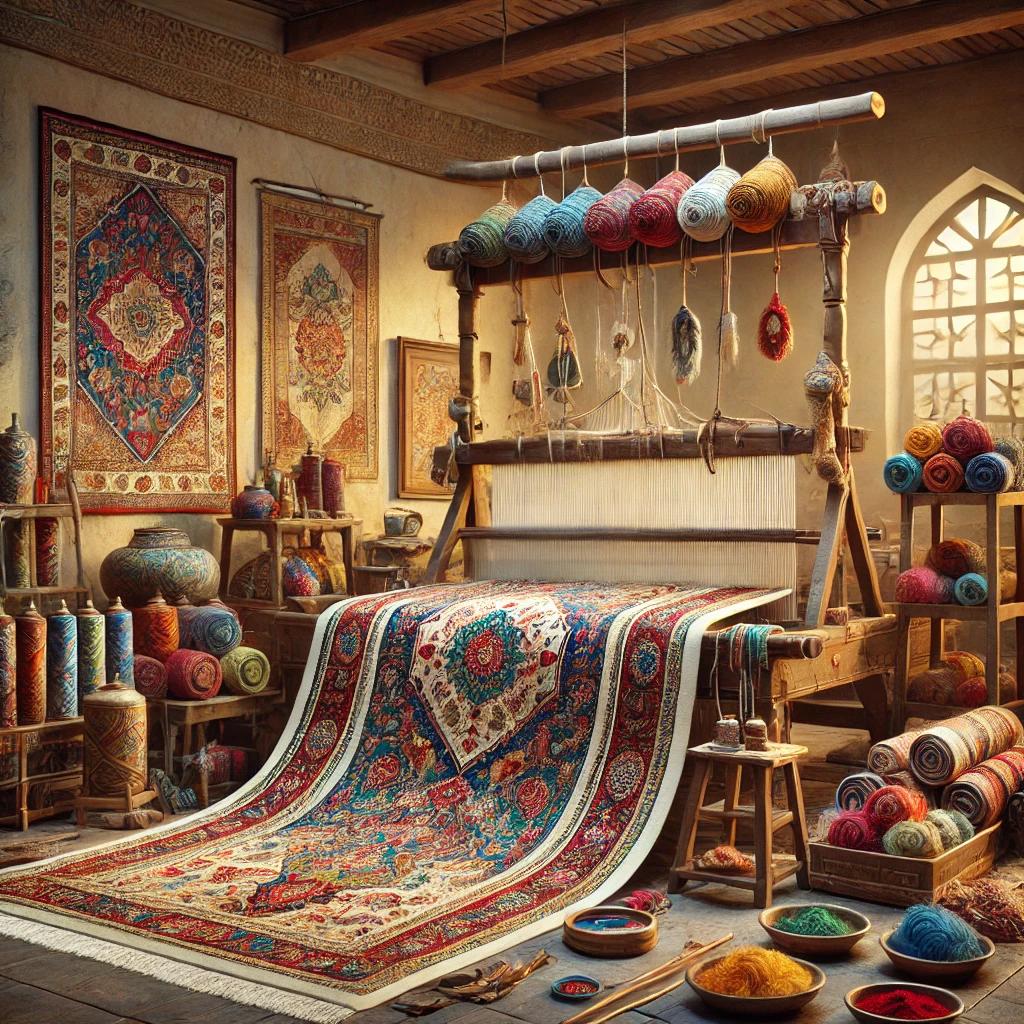
Persian rugs have a rich heritage, originating from the areas known today as Iran. The weaving traditions in this region date back centuries and are intricately linked to various tribal, village, and workshop cultures. These rugs are not just items of use; they embody significant cultural stories and artistry. Learn more about the cultural weaving traditions at https://buyprg.com/the-art-of-persian-rug-weaving-a-tradition-worth-preserving.
- Cultural Significance: Persian rugs are admired globally for their intricate designs and high-quality craftsmanship.
- Craftsmanship: Each rug is usually hand-knotted, showcasing a dedication to art passed down through generations. (Source: Style by Emily Henderson)
Signature Features that Set Persian Rugs Apart
A few characteristics differentiate top Persian rugs from others in the market. Understanding these features can help buyers spot quality:
- Hand-Knotted Structure: Persian rugs display a hand-knotted structure that clearly differentiates them from machine-made counterparts; this fact alone enhances their value.
- Complex Designs: The designs found in Persian rugs often reflect regional influences, including floral, geometric, and medallion patterns.
- Quality Materials: Natural materials like wool and silk enhance durability and feel, demonstrating the quality of craftsmanship involved.
- Color Variations: The use of natural dyes often results in slight variations in color, known as *abrash*, which is indicative of traditional dyeing processes. (Source: Finerug Collection)
By recognizing these features, you can better assess the value of a rug when considering a purchase.
Evaluating Rug Quality
Assessing the Back of a Persian Rug
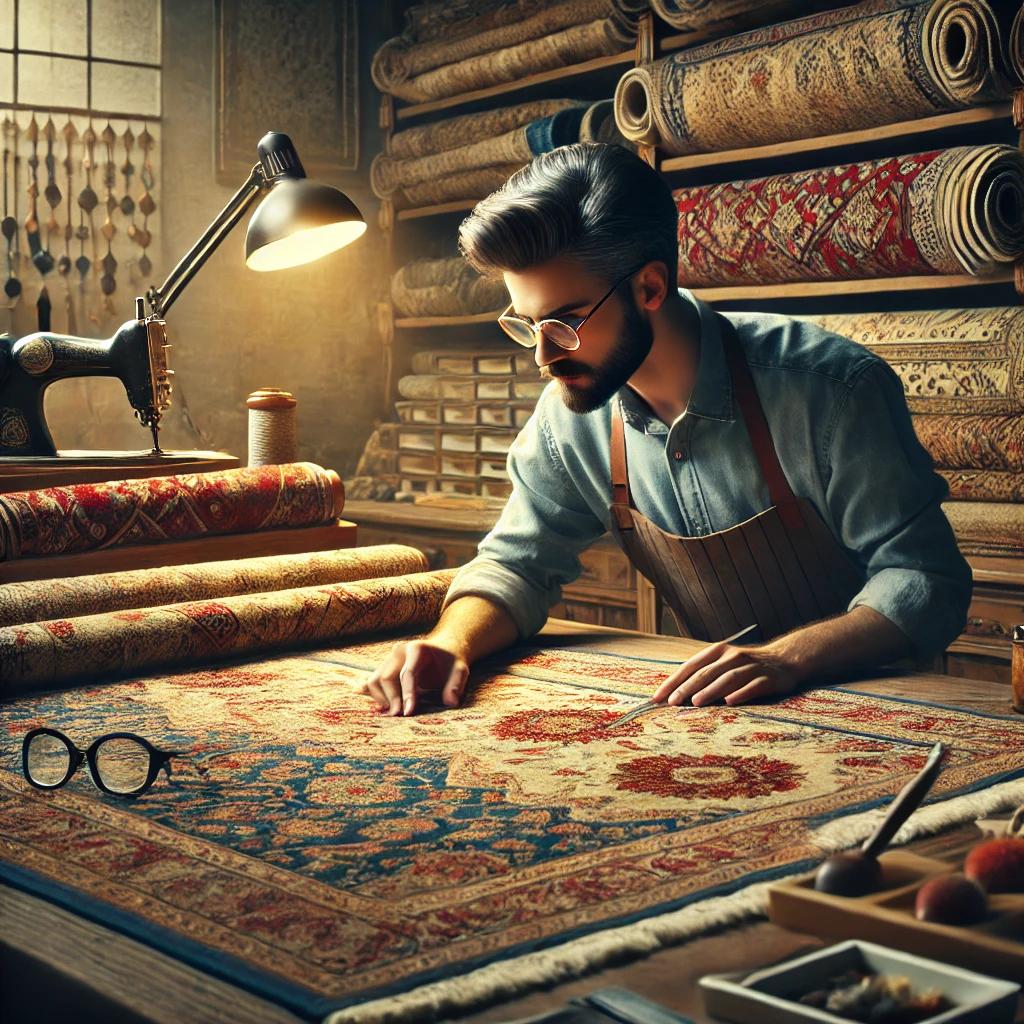
Understanding how to evaluate the back of a Persian rug is crucial. The back provides insights into the authenticity and quality of the piece.
- Knots Should Be Visible: On an authentic hand-knotted Persian rug, you should see clear knots and a recognizable pattern on the back. For further insights into authenticity and ensuring you are buying a genuine piece, refer to https://buyprg.com/how-to-identify-an-authentic-persian-rug-a-buyers-guide/.
- Foundation Threads: Look for visible foundation threads that indicate a handwoven structure. If the back is obscured by fabric or feels overly flat, it may be machine-made. (Source: Finerug Collection)
Common Features Indicating Quality and Authenticity
Certain features observable on the back can confirm a rug’s age and quality:
- Knot Density: Higher knots per square inch (KPSI) usually equate to finer details and better craftsmanship.
- Material Quality: Authentic rugs often feature wool or cotton foundations; synthetic materials might indicate a lower-quality product.
- Even Weave Quality: Inspect for uniform knots and even spacing to gauge the rug’s craftsmanship. (Source: Amir Rug Gallery)
For additional tips on evaluating the quality and craftsmanship of handmade rugs, see https://buyprg.com/spotting-quality-tips-for-evaluating-handmade-rugs/.
Tips for Evaluating Front and Back Quality
When examining the rug, here are key aspects to focus on:
- Pattern and Color: The design should be harmonious, with an appropriate color palette that aligns with the claimed origin of the rug.
- Condition: Ensure the pile is even without bald patches, as this is indicative of the rug’s quality and durability.
- Fringe and Edges: The fringe should be integral to the rug itself and not sewn on, confirming its authenticity. (Source: Style by Emily Henderson)
Rug Age and Its Implications
The Impact of Rug Age on Value
Rug age plays a significant role in determining its overall condition, wear, and durability. Generally, rugs can be categorized as:
- New Rugs: 0–10 years old, typically in excellent condition with minimal wear.
- Used Rugs: Approximately 20–70 years old, presenting good value as they’ve depreciated in initial retail pricing.
- Semi-Antique Rugs: About 50–99 years old, often sought after for their good condition and historical significance.
- Antique Rugs: Over 100 years old, these items may command high prices due to their rarity and distinctive appeal. (Source: Amir Rug Gallery)
Older rugs are typically more valuable, but their condition must also be considered.
Guidelines for Determining Rug Age
Recognizing signs of wear and style can provide insights into a rug’s age:
- Patterns and Colors: Specific motifs and color palettes relate to certain periods and origins, offering clues to age.
- Material Composition: Older rugs generally feature wool foundations, while later pieces often utilize cotton or synthetic materials. (Source: Catalina Rug)
The Relationship Between Age and Price
As a general principle, older Persian rugs usually have higher price tags, especially when compared to newer but similarly crafted rugs. However, damage or repairs can diminish their value regardless of age.
- Antique Rugs: Often more expensive due to rarity, yet each rug must be evaluated by its condition and craftsmanship.
- New Rugs: Price is influenced more by craft compared to age alone. (Source: Amir Rug Gallery)
To better understand how a rug’s age influences its overall value, visit https://buyprg.com/understanding-rug-age-value.
Key Considerations in a Persian Rug Buying Guide
Evaluating the Craftsmanship
When assessing a Persian rug, important aspects include:
- Hand-Knotted Structure: Confirm the rug is hand-knotted; this indicates quality and craftsman skill.
- Knot Density: Higher knot density suggests finer workmanship, contributing to higher values.
- Material Quality: Opt for rugs made with high-quality wool or silk blended with natural dyes. (Source: Amir Rug Gallery)
Comparing Price and Quality
A critical step in your journey involves:
- Craftsmanship and Condition: Compare knot density, materials, age, and overall condition before arriving at a price.
- Documentation: For higher-end purchases, seek rugs with provenance or documentation of previous ownership. (Source: Amir Rug Gallery)
Where to Find Quality Rugs
Discount Rug Outlets
Discount rug outlets can provide competitive pricing for both Persian-style and genuine rugs:
- Pros: Lower prices and occasional bargains on quality pieces.
- Cons: Inventory may mix low-quality machine-made rugs with hand-knotted options, making inspection critical. (Source: BuyPRG)
Specialty Dealers and Galleries
Purchasing through reputable dealers or galleries typically yields advantages like:
- Curated Selections: Access to hand-knotted Persian rugs with detailed backgrounds.
- Professional Support: Availability of cleaning and appraisal services for your rug. (Source: Amir Rug Gallery)
Spotting Genuine Deals While Ensuring Authenticity
When buying, utilize these strategies:
- Perform the Flip Test: Inspect the back of the rug to verify authenticity.
- Ask Detailed Questions: Inquire about origin, age, and materials to confirm quality.
- Seek Documentation: Request invoices that provide complete descriptions of the rug. (Source: Finerug Collection)
Caring for Your Investment
Storing Wool Rugs
Proper storage methods for storing wool rugs can protect them from damage:
- Clean Before Storage: Ensure the rug is cleaned to avoid attracting pests.
- Rolling Technique: Roll the rug with the pile facing inward using acid-free materials.
- Appropriate Environment: Store in a cool, dry place with appropriate ventilation. For detailed best practices on storage, check https://buyprg.com/storing-wool-rugs-best-practices. (Source: Nazmiyal Antique Rugs)
Cleaning Recommendations
To maintain both the front and back quality:
- Regular Vacuuming: Maintain a dust-free rug by vacuuming gently and avoiding aggressive settings.
- Immediate Spill Care: Blot spills promptly to prevent staining without aggressive rubbing.
- Professional Cleaning: Schedule cleaning with specialists, especially for valuable pieces. (Source: Nazmiyal Antique Rugs)
Long-term Care Strategies
To preserve the rug’s longevity and sales value:
- Moisture Control: Avoid excessive direct sunlight to prevent fading.
- Inspect for Issues: Regularly check for wear or pests and act quickly on any issues. (Source: Amir Rug Gallery)
Conclusion
Investing in a Persian rug extends beyond merely choosing a decorative piece; it’s a choice that blends aesthetics with financial prudence. By leveraging insights from this Persian rug buying guide, you will gain a deeper understanding of how to assess rug quality, age, pricing, and authenticity.
With this informed approach, you can distinguish genuine hand-knotted Persian rugs from imitations and make smarter purchasing decisions from both discount establishments and specialist galleries. So take your time, ask the right questions, and enjoy the journey of finding the perfect Persian rug that will serve as a central piece in your home for years to come.
FAQ
- What is the difference between handmade and machine-made Persian rugs?
Handmade rugs are crafted using traditional techniques, leading to unique patterns and higher quality, whereas machine-made rugs are more uniform and tend to be less durable. - How can I tell if a Persian rug is authentic?
Check for clear knot visibility on the back, along with natural fibers and a recognizable design pattern to authenticate its originality. - What maintenance does a Persian rug require?
Regular vacuuming, immediate spill care, and professional cleaning are essential to maintain the rug’s quality and longevity.