
Persian Rug Buying Guide
Estimated reading time: 7 minutes
Key Takeaways
- Understand quality indicators like the back of a rug and genuine craftsmanship.
- Know your rug types, including Tabriz, Kashan, and Qum.
- Evaluate authenticity through careful inspection methods.
- Adopt smart shopping and rug care techniques.
- Invest in proper rug maintenance to prolong lifespan.
Table of contents
A **Persian rug** is a significant investment, and knowing what to look for can make all the difference. This guide outlines essential aspects to consider, ensuring you feel confident in your rug-purchasing journey.
Understanding Persian Rugs
A Persian rug is traditionally hand-knotted and crafted from natural materials such as wool, silk, or cotton. These rugs are not just about function; they are pieces of art. Their uniqueness lies in:
- Traditional patterns: Each design tells a story, often linked to the region it comes from.
- Regional influences: Different areas in Persia (now Iran) produce distinct styles.
- Handmade qualities: The craftsmanship involved ensures that each rug is one-of-a-kind, featuring slight imperfections that add to its beauty. For more on why handmade rugs are a better investment than machine-made counterparts, see this link.
A practical Persian rug guide can help you learn to assess authenticity, craftsmanship, and long-term investment value. Understanding the features of a genuine Persian rug will ensure that you make a knowledgeable purchase. For a deeper dive into identifying authentic pieces, consult this guide.
For more on defining genuine Persian rugs, feel free to visit this source and this source.
Evaluating Rug Quality
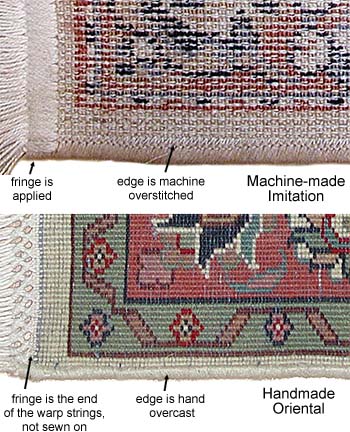
Inspecting the back of a Persian rug is one of the clearest methods to determine its authenticity. Here’s what to look for:
Key Features to Inspect:
- Visible knots: On a genuine hand-knotted rug, individual knots should be visible from the underside, indicating craftsmanship.
- Slight irregularities: Handwoven rugs will exhibit inconsistencies in knot size and pattern alignment, unlike machine-made options.
- Integrated fringe: The fringe should grow directly from the rug’s foundation, not sewn or glued onto it.
- Hand-finished edges: Look for tight edges that show quality finishing.
- Natural fiber backing: A genuine Persian rug will have a fiber structure rather than synthetic materials.
A rug with a fabric backing or glued fringe is likely machine-made. To dive deeper into quality inspection, check out reputable sources such as this source and this source.
For additional tips on authentication, refer again to this guide when inspecting the back of the rug.
Assessing Rug Age
Rug age plays a crucial role in both aesthetic appeal and financial value. Here’s what you should know:
Signs of Rug Age:
- Wear patterns: Check high-traffic areas for signs of wear, especially at the center and edges.
- Softened pile: Older rugs often have a softer texture due to years of use.
- Color fading: Aging can lead to natural fading, which adds character.
- Minor repairs: Authentic repairs indicate previous ownership and care.
- Fiber degradation: Aging fibers may show wear consistent with their age rather than recent damage.
Remember that the condition, craftsmanship, and provenance are essential in assessing value. For additional insights into evaluating rug age, explore this source.
Spotlight on Top Persian Rugs
When discussing top Persian rugs, some styles are particularly renowned for their artistry and craftsmanship:
Notable Rug Types:
- Tabriz rugs: Known for their intricate patterns and fine weaving.
- Kashan rugs: Typically celebrated for their vivid colors and floral designs.
- Qum rugs: Recognized for their exceptional quality and detailed craftsmanship.
Comparing Rug Qualities:
You can compare these rugs based on:
| Type or Style Factor | Why It Stands Out |
|---|---|
| Fine silk or silk-blend rugs | Offers a high level of detail and luster. |
| High-knot-density hand-knotted rugs | Features greater definition and intricate patterns. |
| Regionally specific designs | Patterns are linked to famous weaving centers. |
| Well-preserved antique pieces | Could hold significant investment value. |
Identify which elements appeal most to you as you browse through rugs. For more on top Persian rugs, refer to sources like this source.
Shopping Smart
When visiting a discount rug outlet, it’s essential to keep the same standards you would employ elsewhere.
Shopping Strategies:
- Inspect for authenticity: Always check for genuine craftsmanship signs.
- Ask for provenance: Request documentation to confirm the rug’s origin and materials.
- Negotiate based on condition: If you notice visible wear or repairs, use this to guide negotiations.
- Verify return policies: Before purchasing, ensure that the store has a transparent return policy.
- Request independent appraisal: For expensive pieces, an appraisal can confirm value.
A lower price does not necessarily mean a better deal if the rug is machine-made or poorly restored. For insights on smarter shopping practices, visit this source and this source.
Rug Care and Maintenance
Proper care is vital for storing wool rugs and prolonging their lifespan. Here are some tips:
Care Practices:
- Ensure proper storage: Keep rugs in cool, dry, ventilated areas away from direct sunlight.
- Roll, don’t fold: Rolling reduces creases and potential damage.
- Breathable wrapping: Use breathable materials for long-term storage.
- Avoid moisture and pests: Protect rugs from dampness and insect infestation.
- Rotate regularly: If in use, rotation prevents uneven wear.
- Clean spills promptly: Quick action can prevent staining and damage.
Maintaining a controlled environment is essential for the longevity of your rug. To explore more about rug care, refer to this source. Also, for specialized tips on preserving your wool rugs, see this link.
Conclusion
This Persian rug buying guide has outlined the essentials for evaluating authenticity, inspecting the back of a rug, assessing rug age, identifying top Persian rugs, shopping wisely at a discount rug outlet, and caring for storing wool rugs. With these points in hand, you are equipped to confidently approach the evaluation, selection, purchase, and maintenance of your Persian rugs. For further advice on building an impressive collection, check out this resource. Happy rug hunting!
Frequently Asked Questions
What is the best way to identify a genuine Persian rug? Inspect the rug’s back, look for visible knots, and check for handmade qualities.
Are machine-made rugs worth buying? While they are typically more affordable, they lack the uniqueness and investment value of handmade rugs.
How often should I clean my Persian rug? Regular cleaning and prompt attention to spills are essential. It’s best to consult a professional for deep cleaning.