
Understanding Silk Persian Rugs and Their Rich Tradition
Estimated reading time: 8 minutes
Key Takeaways
- Silk Persian rugs reflect intricate artistry and craftsmanship.
- Wool is the most common material, favored for its durability and warmth.
- Understanding the materials and techniques can enhance your appreciation and purchasing decisions.
- Authenticity is key; always look for detailed craftsmanship and historical context.
Table of contents
- Overview of Rug Materials
- Silk in Persian Rugs
- Wool in Persian Rugs
- Comparison of Rug Materials
- Historical and Cultural Context
- Origins and Evolution of Traditional Rug-Making
- Rug-Making Techniques
- Detailing Persian Rug-Making Techniques
- Exploration of Regional Rug Styles
- Examine Turkish Styles
- Vintage and Collectible Rugs
- Highlight Vintage Rugs in the USA
- Authenticity and Artistry
- Define Authenticity in Rug-Making
- Conclusion
Silk Persian rugs are not just mere floor coverings; they are a stunning representation of artistry and craftsmanship that has evolved over centuries. These exquisite textiles are synonymous with quality, tradition, and authenticity in the world of rugs. In this blog post, we aim to educate readers about different rug materials, their origins, and various styles, ultimately enhancing your appreciation for these authentic rugs and art.
Overview of Rug Materials
Silk in Persian Rugs
Silk is a luxurious material that elevates Persian rugs to an unparalleled level. Known for its strength, sheen, and intricate detail, silk creates a radiant surface that dazzles in any setting.
- Primary Uses:
- As the primary fiber in all-silk rugs, imparting exquisite texture.
- As highlights among wool fibers, enhancing the design with subtle sheen.
- Incorporated into the foundation (warps or wefts) for exceptionally fine pieces.
Light interacts uniquely with silk, leading to vibrant colors and patterns that appear to shift as you move around the room. These rugs often serve decorative purposes, as their delicate nature makes them more suitable for low-traffic areas. Silk can create detailed floral patterns, which is why it’s favored in intricate designs.
For more insights on the qualities and vulnerabilities of silk in Persian rugs, visit Rugs.net on Silk Persian Rugs. To delve deeper into the heritage and intricate craftsmanship of these luxurious textiles, check out Exploring Silk Persian Rugs: History, Craftsmanship, and Cultural Significance.
Wool in Persian Rugs
When discussing wool in Persian rugs, one should consider its durability, warmth, and versatility. Wool is the most common material used in Persian rugs and is cherished for its practical applications.
- Typical Uses:
- Village rugs intended for everyday use are made typically from durable wool.
- Tribal rugs, featuring robust construction and vibrant patterns.
- City rugs often utilize both cotton and wool for various textures.
High-quality wool rugs can last generations, making them an excellent investment. Wool absorbs dyes beautifully, giving traditional designs their rich, subdued appearance.
Key Qualities:
- Resilient and elastic, providing comfort underfoot.
- Naturally warm, suitable for various climates.
For comprehensive details about the characteristics of wool in Persian rugs, check out Rugs.net on Wool in Persian Rugs.
Comparison of Rug Materials
Below is a comparison table that succinctly outlines the main qualities, typical advantages, and common limitations of various rug materials:
| Material | Main Qualities | Typical Advantages | Common Limitations |
|---|---|---|---|
| Silk | Fine, smooth, reflective | Exceptional detail, elegance, high artistic value | More vulnerable to abrasion and costly to produce |
| Wool | Warm, elastic, resilient | Durable, comfortable, versatile | Usually less luminous and less finely detailed than silk |
| Cotton | Smooth, stable, economical | Frequently used for warps and wefts; provides a firm foundation | Less luxurious as a pile fiber |
| Goat Hair | Strong and coarse | Useful in foundations, borders, or utilitarian tribal rugs | Rougher texture and less refined appearance |
Material alone may not dictate quality; factors like craftsmanship, dye quality, and design play crucial roles in assessing an authentic rug’s value and artistry.
Historical and Cultural Context
Origins and Evolution of Traditional Rug-Making
The art of traditional oriental rugs evolved across a broad cultural spectrum, encompassing regions such as Iran, Anatolia, and Central Asia. The term oriental rug refers to a myriad of styles, each signifying unique cultural identities.
During the Safavid era, Persian rug-making reached its zenith, especially under the reign of Shah Abbas I, where royal workshops crafted intricate designs with cultural depth:
- Motifs and Meanings:
- Floral patterns convey themes of paradise and natural beauty.
- Geometric designs often relate to tribal identities and regional customs.
The renowned Ardabil Carpet, produced in the 16th century, stands as a monumental example of Persian artistry, representing the height of weaving sophistication. For a deep exploration of Persian rug history and design evolution, refer to Grail Huntr on Persian Rug History. For more insight into the evolution of design motifs, learn more in The History and Significance of Persian Rug Patterns.
Rug-Making Techniques
Detailing Persian Rug-Making Techniques
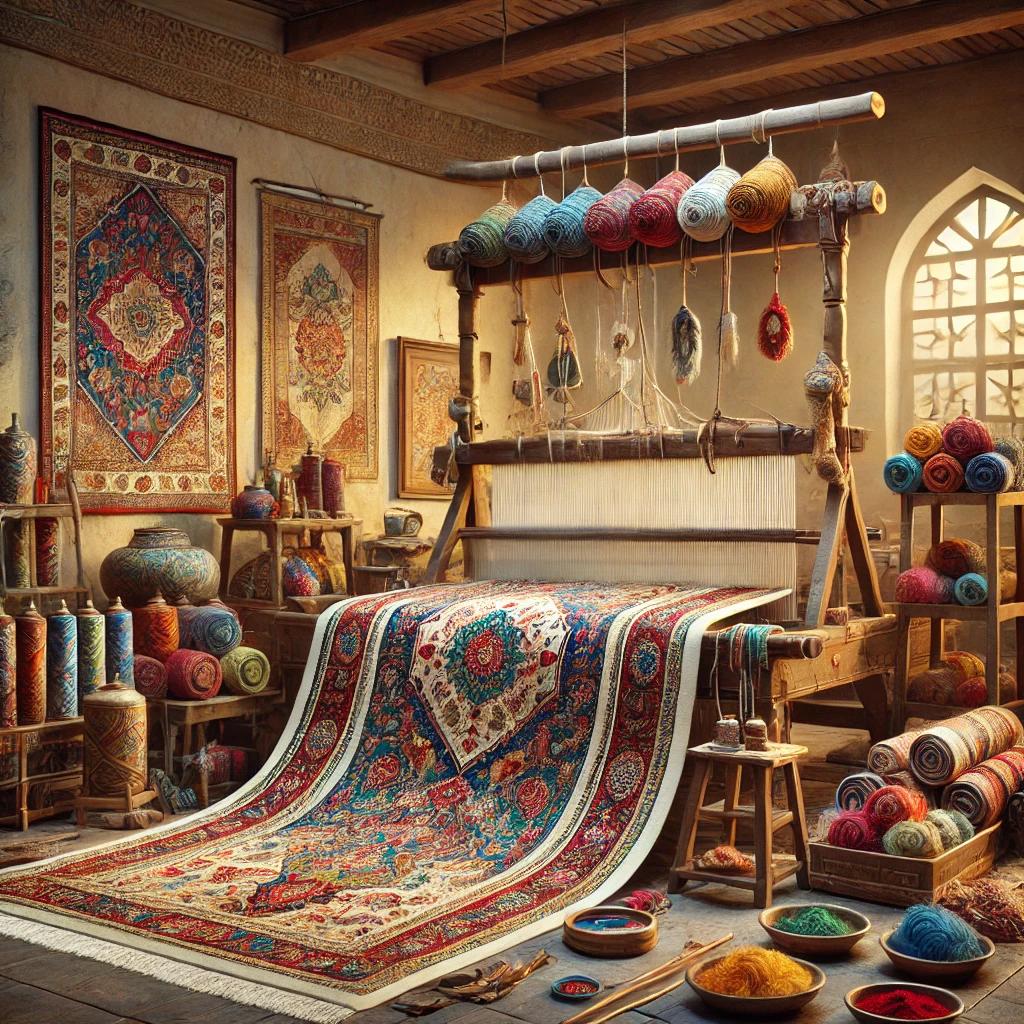
Understanding Persian rugs techniques begins with the crafting process. Hand-knotting is the hallmark of truly exquisite rugs. Weavers meticulously tie knots to the warp threads, creating dense, intricate patterns.
- The Persian Knot:
- Also known as the asymmetrical knot, allows for refined shapes and detailed floral designs. This technique produces both beauty and durability.
- Design Planning:
- Urban workshops utilize gridded designs known as cartoons, guiding color selection and knot positions, enabling complex, consistent compositions.
- In contrast, tribal weavers might rely more on memory and cultural heritage, resulting in unique, asymmetrical patterns that reflect a more personal touch.
Learn more about these intricate techniques in detail at Rugs.net on Persian Techniques. For a deeper dive into the traditional weaving process, visit The Art of Persian Rug Weaving: A Tradition Worth Preserving.
Exploration of Regional Rug Styles
Examine Turkish Styles
A rug in Turkish style presents powerful contrasts to Persian aesthetics, often favoring bold geometry and distinctive motifs.
- Key Characteristics:
- The Turkish knot or Gördes knot adds symmetry to the weaving, providing a different kind of durability and texture.
- Turkish rugs often embrace strong borders with vibrant colors, showcasing the artistry of regional traditions.
Examples from famous weaving centers such as Ushak or Bergama reveal rich cultural history and community identity through their unique rug styles.
For more insights into Turkish rug styles and their appeal, visit Turkish Republic on Rugs.
Vintage and Collectible Rugs
Highlight Vintage Rugs in the USA
Vintage rugs in the USA offer a charming link to history and tradition, appealing to collectors and interior designers alike. A rug classified as “vintage” is typically between 20 to 100 years old, encapsulating unique stories and craftsmanship.
- Factors Affecting Collectible Status:
- Age: Older rugs are generally more sought after.
- Provenance: Authenticity backed by ownership records enhances value.
- Condition: Rugs in good condition with minimal damage retain their worth.
These vintage pieces are admired not only for their historical significance but also for their adaptability in modern decor settings, blending seamlessly with contemporary design.
For additional information on vintage rugs, check out Antique Appraiser on Vintage Rugs.
Authenticity and Artistry
Define Authenticity in Rug-Making
The term authentic rugs and art encompasses more than just craftsmanship; it is about the rug’s history, materials, and design.
- Verification Methods:
- Authenticity can be established by examining construction methods, materials used, and historical context.
- Documentation—like receipts, expert appraisals, and prior ownership—can help substantiate claims regarding a rug’s origin and authenticity.
Understanding what makes a rug authentic is crucial for investing and appreciating its artistic value. Authentic pieces often carry significant heritage and market value due to their uniqueness and craftsmanship. For additional guidance on identifying genuine craftsmanship, see How to Identify an Authentic Persian Rug: A Buyer’s Guide. Moreover, understanding the rug’s age can further authenticate its value; refer to Understanding Rug Age: Key Factors Influencing Value and Longevity for more details.
For more details, visit Rugsonnet on Authenticity.
Conclusion
In navigating the world of rugs, understanding the distinctions between materials—such as silk versus wool—and techniques, as well as recognizing cultural origins and regional styles, can profoundly affect your purchasing decisions.
Key Takeaways:
- Silk Persian rugs embody elegance but may require delicate handling.
- Wool rugs offer practical durability for everyday use.
- Persian and Turkish rug-making techniques highlight cultural differences that influence design and durability.
As you delve deeper into the art of rug crafting, consider exploring how these magnificent textiles can enrich your living space.
Additional Resources / Next Steps
For further reading, we recommend the following resources:
- Rug Making Techniques: Explore rug-making techniques through various online platforms and books.
- Authenticity Verification: Follow the checklist provided to ensure quality and authenticity when purchasing rugs.
By understanding silk Persian rugs and their rich tradition, you open the door to one of the most fascinating realms of textile art. Explore further, and you may discover the perfect piece that tells its own story of beauty, culture, and craftsmanship.