

The Allure of Silk Persian Rugs
Estimated reading time: 6 minutes
Key Takeaways
- Silk Persian rugs are prized for their beauty and craftsmanship, representing a significant part of Persian culture.
- They showcase exceptional artistry with high knot density, making them collectible art pieces.
- Understanding the differences between silk and wool can enhance your appreciation for these luxurious rugs.
- Persian rug weaving is a time-honored craft that combines materials, techniques, and cultural storytelling.
- There is a growing market for vintage rugs alongside traditional Persian styles in contemporary settings.
Table of contents
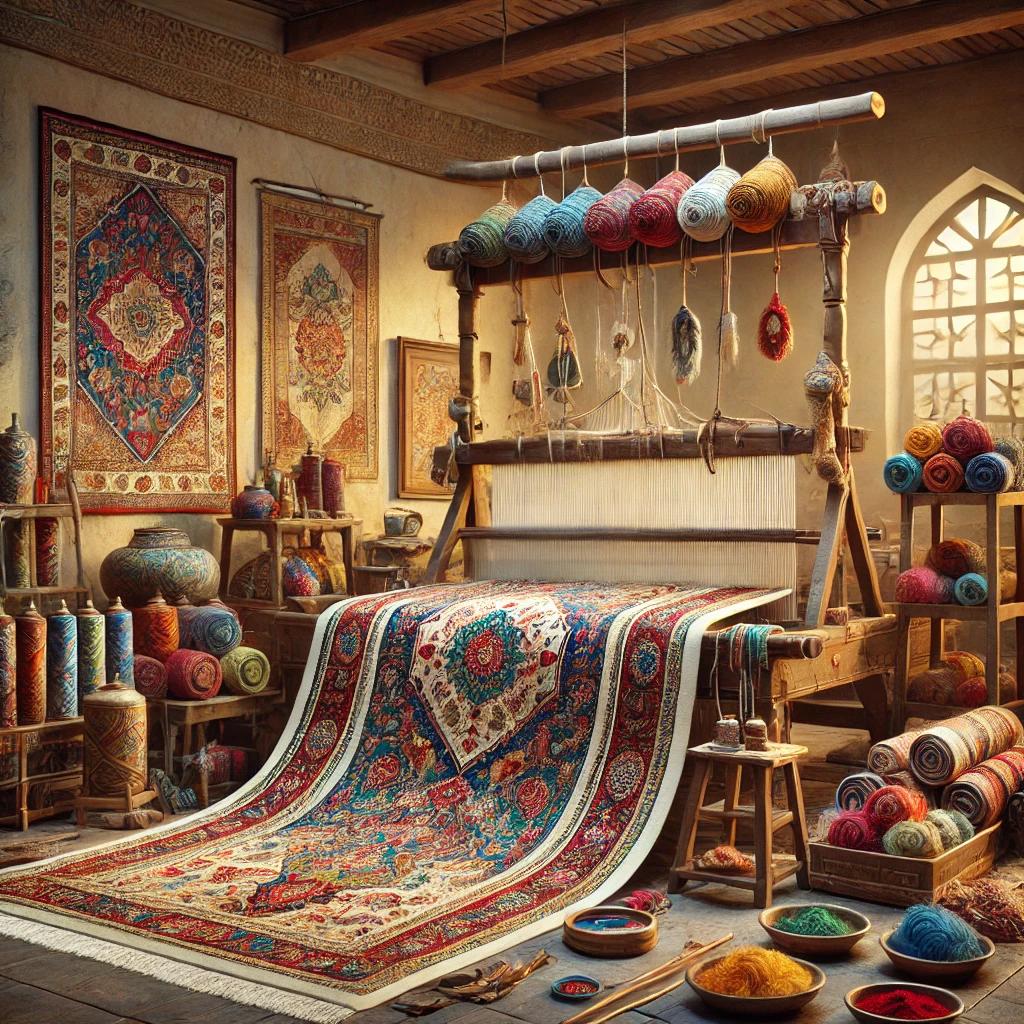
Silk Persian rugs are hand-knotted carpets woven in Iran (historical Persia) using silk either in the pile, the foundation, or as intricate highlights. Their luminous sheen, ultra-fine knotting, and intricate designs make them some of the most coveted Oriental rugs worldwide. For a deeper dive into their history and craftsmanship, check out this article.
Within the broader category of Persian and Oriental rugs, weavers employ a range of materials—most notably wool and silk—and multiple techniques, from pile-woven carpets to flat-woven kilims and embroidered textiles. This diversity allows for rugs that range from highly durable floor coverings to delicate, almost tapestry-like works of art.
Overview of Persian Rug Materials
Silk vs. Wool in Persian Rugs
Persian rugs traditionally rely on high-quality wool as their primary material, valued for its durability, warmth, and ability to absorb natural dyes deeply and evenly. Wool provides a robust surface, enhancing the longevity and practicality of the rug. Village and tribal rugs in Iran are especially renowned for their fine wool, bright colors, and traditional patterns.
By contrast, silk is a finer, more delicate fiber that can be used for the pile, the warp and weft (the foundation), or as accents that outline motifs and add highlights. Here are some key points about each material:
- Wool in Persian Rugs:
- Offers excellent durability and warmth.
- Aids in deep absorption of natural dyes, resulting in rich colors.
- Commonly used for village and tribal rugs due to its strength and ability to withstand wear.
- Silk Persian Rugs:
- Have a lustrous shine and a reflective surface that changes with the light.
- Allow for very high knot density and extremely detailed patterns, resulting from the thin and smooth fibers.
- Are often lighter in weight but more delicate under heavy use, making many silk Persian rugs better suited to low-traffic spaces or display.
A combination of silk and wool is frequently used in the same rug. Silk-and-wool Persian rugs utilize wool for strength and resilience and silk for finesse and visual drama. This blend results in pieces that balance practicality and luxury.
Unique Luxury of Silk in Persian Rugs:
- Silk Persian rugs are associated with exceptional fineness: certain Qom silk rugs can reach around 645 knots per square inch, enabling miniature-like detail. To appreciate the cultural marvel of these luxurious textiles, visit this article.
- They have artistic prestige as silk is often reserved for elite weaving centers, particularly showcasing high-end city workshop rugs such as Qom, Isfahan, Tabriz, and Kashan.
- Because of their material cost, labor intensity, and limited production, fine silk Persian rugs are frequently treated as collectible art objects.
For further reading, you can check these links for more in-depth information: Nazmiyal Antique Rugs, Buy PRG, and Wikipedia.
Traditional Craftsmanship and Techniques
Persian Rug Techniques Passed Down Through Generations
Carpet weaving in Iran is a core part of Persian culture and art, with a history spanning over 2,500 years. Persian rugs are part of the broader family of Oriental rugs produced across the “rug belt,” but they are especially prized for the refinement of their techniques. For insights into the timeless artistry of hand-weaving, see this article.
Key traditional features include:
- Hand-Knotting: Persian rugs are typically hand-knotted, often using the asymmetrical (Persian) knot. This knotting technique allows for clearer, more curvilinear designs, contributing to the rug’s overall beauty.
- Natural Dyes: Historically, weavers relied on plant and root-based dyes (e.g., indigo for blues), which contribute to the rich, nuanced color palettes and graceful aging of Persian rugs.
- Region-Based Styles: Rug types (like Tabriz, Kashan, and Bidjar) are defined by where they are made. This geographical differentiation dictates not only patterns but also materials, knot density, and construction methods.
Processes for Silk and Wool-Based Persian Rugs
Both silk and wool Persian rugs involve demanding, manual processes:
- Fiber Preparation:
- Wool: Shearing, cleaning, carding, and spinning into yarn.
- Silk: Harvesting cocoons, reeling silk filaments, twisting them into thread suitable for knotting.
- Dyeing: Both wool and silk can be dyed using natural dyes, creating rich depth and subtle tonal variations.
- Design and Mapping: Complex city workshop rugs often follow a “cartoon” (a design plan) with precise motifs and borders.
- Weaving and Knotting:
- In wool-pile rugs: Knotting is typically somewhat thicker, yielding a stronger, more robust surface.
- In silk rugs: Finer threads allow for extremely tight knotting, and the weaver must maintain even tension to preserve clarity of minute motifs. Certain types, like Bidjar rugs, are beaten down with tools to compact the knots and produce dense, highly durable structures.
- Finishing: Shearing the pile, washing, and stretching the rug helps clarify patterns and enhance sheen, particularly in silk rugs.
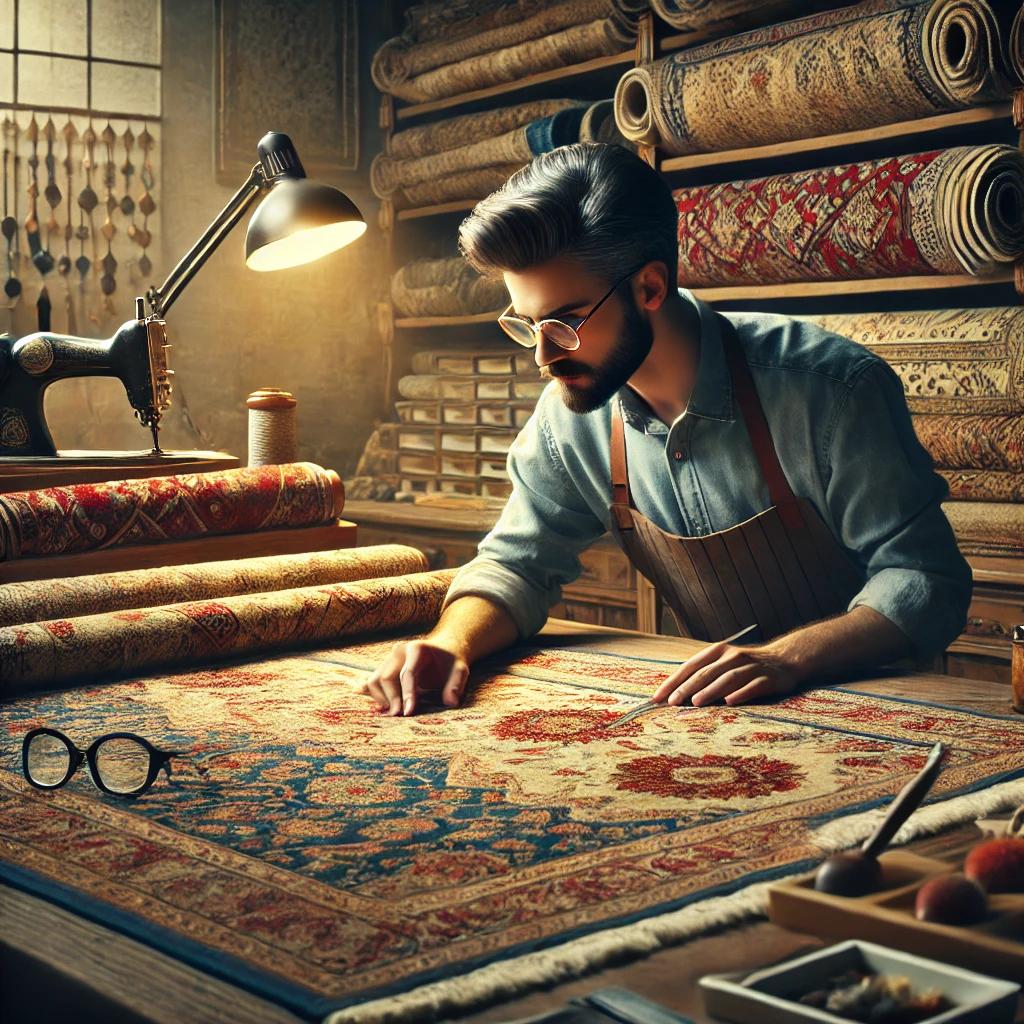
The result is that each hand-knotted silk or wool Persian rug can represent months or even years of labor, making them some of the most labor-intensive hand-woven items in the world. For a broader perspective on Persian rug patterns and the symbolism behind their designs, consider reading this article.
For deeper insights into these processes, consider Wikipedia or Golden Nile.
Traditional Oriental and Authentic Rug Styles
Traditional Oriental Design Aesthetics
“Oriental rug” is an umbrella term for rugs made across the Middle East and parts of Asia, with Persian rugs constituting a particularly refined subset. Traditional Oriental design is characterized by:
- Central Medallions
- All-Over Floral or Vine Scrolls
- Geometric and Tribal Motifs
- Structured Borders framing the field
Persian city rugs, such as Tabriz and Kashan, often feature elaborate central medallions and curvilinear floral motifs. In contrast, village and tribal rugs may emphasize bold geometric patterns, showcasing the diversity of artistic expression within the Persian tradition.
Authentic Rugs and Art
Authentic Persian and Oriental rugs are defined by:
- Hand-Knotted Construction: Unlike machine weaving or hand-tufting, authentic rugs are painstakingly crafted.
- Natural Materials: Quality rugs are made using natural materials (such as wool and/or silk) and often involve natural dyes.
- Cultural Traditions: Designs are deeply rooted in regional cultural traditions passed down through generations of artisans.
Due to these attributes, high-quality Persian rugs are often regarded as a form of functional fine art. They embody:
- Symbolism in Motifs: Such as boteh, herati, and floral sprigs that tell a story.
- Regional Storytelling through Patterns: Each pattern reflects its cultural heritage.
- The synthesis of craftsmanship and artistic expression, particularly evident in fine silk Persian rugs, where the medium allows for near-pictorial detail. For further exploration of how silk elevates rug artistry, visit this article.
Explore insights on this intricate tapestry of tradition at Nazmiyal Antique Rugs and Buy PRG.
Exploring Regional Variations and Influences
Rug in Turkish Styles vs. Persian Rugs
Within the Oriental rug category, Turkish rugs form a significant parallel tradition. While Persian rugs typically use the asymmetrical (Persian) knot, Turkish rugs traditionally utilize a symmetrical double knot. This fundamental difference influences the overall feel and appearance of the motifs.
Key contrasts include:
| Aspect | Persian Rugs | Turkish Rugs |
|---|---|---|
| Typical Knot Type | Asymmetrical (Persian) knot | Symmetrical (Turkish) double knot |
| Design Tendency | Curvilinear florals, medallions, fine detail (city rugs); tribal geometrics (village/tribal) | Strong geometric motifs, bold medallions, stylized florals (varies by region) |
| Materials | Fine wool, wool-and-silk, pure silk | Wool, sometimes cotton foundations; some silk in higher-end pieces |
| Overall Impression | Highly refined and intricate, especially in silk and city rugs | Often bold and graphic; strong tribal and village identities |
These differences ensure that Turkish rugs possess a distinct identity even as they share the broader Oriental rug heritage with Persian craftsmanship.
Turkish Vintage Styles: Historical and Cultural Significance
In the modern market, vintage Turkish rugs—often mid-20th-century village or tribal pieces—are appreciated for:
- Their striking geometric patterns and strong color palettes.
- Historical ties to specific weaving regions and tribal groups.
- Patina and wear that highlight natural dyes and hand-spun wool, producing an aged aesthetic similar to many vintage Persian rugs.
Collectors view vintage Turkish rugs as tangible records of local cultural history, parallel to how vintage and antique Persian rugs preserve the visual language of Iranian villages, cities, and tribes. Understand more about this at Wikipedia or Style by Emily Henderson.
Contemporary Trends and Market Insights
Vintage Rugs in the USA vs. Traditional Persian Rugs
In today’s market—particularly in the USA—there is significant interest in:
- Traditional Persian Rugs:
- Favored for their intricacy, materials, and craftsmanship.
- Silk Persian rugs, in particular, appeal to collectors seeking fine art quality, high knot counts, and luminous color.
- Vintage Rugs (including both Persian and Turkish):
- Gaining traction in interior design for their faded, relaxed tones and unique character.
- Chosen to lend authenticity and history to contemporary spaces, enhancing modern furniture with aged textiles.
Current trends indicate:
- Growing Collector Interest: There’s a marked interest in older, well-preserved Persian and Turkish rugs—especially those made from natural dyes and hand-spun wool—due to limited supply and historical significance.
- Demand for Persian Silk and Silk-Highlight Rugs: Many buyers view these as statement pieces or wall hangings, treating them as long-term collectibles rather than purely functional carpets.
In this dynamic market, vintage rugs in the USA exist alongside traditional Persian silk and wool rugs, with buyers choosing based on preferences for patina and relaxed character (vintage) versus precision, shine, and artisan craftsmanship (particularly noted in silk Persian pieces).
Conclusion
The world of fine rugs is defined by a rich interplay of materials, techniques, and regional traditions:
- Materials:
- Wool in Persian rugs provides vital durability, warmth, and rich dye absorption, making it ideal for daily use and village or tribal weavings.
- Silk in Persian rugs enables extraordinary detail and sheen, elevating many pieces into collectible art.
- Traditional Techniques:
- Techniques such as hand-knotting, natural dyeing, and regional methods form the backbone of authentic Persian and Oriental rug production.
- Cultural Influences:
- Persian city, village, and tribal rugs; Turkish weavings; and broader traditional Oriental patterns intersect and influence one another, yet each maintains distinct technical and aesthetic signatures.
Within this tapestry of influences, silk Persian rugs stand out as some of the most refined expressions of this craft—works where material luxury, technical mastery, and artistic imagination converge. To further appreciate the art and heritage of these luxurious creations, explore this article.
Final Remarks and Call-to-Action
To deepen your understanding and appreciation of silk Persian, wool Persian, and related Turkish and Oriental rugs, consider:
- Visiting galleries, specialized rug dealers, or museum collections that focus on Persian, Turkish, and other Oriental textiles. Seeing the interplay of silk and wool in person is invaluable.
- Exploring curated exhibitions or educational displays that explain knot density, regional styles, and dyeing traditions.
Enthusiasts, collectors, and newcomers alike are encouraged to:
- Ask questions about materials, origins, and techniques when viewing rugs.
- Share feedback, comments, or specific topics of interest—such as particular regions (Qom, Tabriz, Anatolia), age categories (antique vs. vintage), or care and preservation.
Engaging in this ongoing dialogue helps keep the knowledge of these timeless works of art alive and ensures that the traditions behind silk Persian and related Oriental rugs continue to be studied, collected, and cherished.