

The Art and Elegance of Silk Persian Rugs
Estimated reading time: 6 minutes
Key Takeaways
- Silk Persian rugs are masterpieces of craftsmanship, luxury, and cultural significance.
- Persian rugs have a rich history that dates back to the Safavid dynasty.
- Characteristics such as high knot density and exceptional sheen distinguish silk from wool.
- Traditional techniques and design motifs contribute to the unique beauty of these rugs.
- Understanding authenticity helps collectors appreciate the value and artistry of rugs.
Table of contents
The World of Silk Persian Rugs
Rug weaving is one of the oldest art forms in the Middle East, and Persian rugs are among its most revered expressions, valued for their craftsmanship, symbolism, and longevity. This blog post focuses on silk Persian rugs as the benchmark of luxury, using them as a reference point to compare other materials such as wool, explore oriental and Turkish influences, and understand how vintage and authentic rugs function as both décor and art.
Definition of Silk Persian Rugs
Silk Persian rugs are hand-woven carpets from Iran, revered for their extraordinary detail and sheen, thanks to fine silk fibers used in their construction. These rugs are distinguished by their intricate designs and rich colors, reflecting the skilled artisans’ expertise. The cultural status of silk Persian rugs cannot be overstated; they symbolize both luxury and artistry within Iranian culture. Learn more about their history here.
History and Cultural Significance
The rich history of silk Persian rugs dates back to the Safavid dynasty, which ruled from the 16th to 18th centuries. Key cities like Kashan and Isfahan emerged as prominent centers of production during this period. The rugs woven in these cities reflect an exceptional level of craftsmanship and artistry, making them not just decorative items but cultural artifacts steeped in history. Authentic rugs and art from this era are often laden with symbolism, rich colors, and intricate patterns that evoke Persian aesthetics, poetry, and royal iconography. Discover more about the craftsmanship here.
Characteristics of Silk as a Material
Silk, as a material for rug-making, offers several distinct advantages:
- High knot density: This feature allows for intricate designs, making silk Persian rugs visually stunning.
- Exceptional sheen and color vibrancy: The luminosity of silk colors is unmatched, giving these rugs a jewel-like appearance.
- Luxurious softness: Silk is not only striking to behold but also creates a welcome tactile experience.
However, due to silk’s delicacy and higher cost, these rugs are often utilized in low-traffic areas or as decorative items, highlighting their role as art pieces rather than merely functional carpets. Explore more about silk’s qualities here.
Exploring Other Materials: Wool in Persian Rugs
Silk vs. Wool Comparison
While silk Persian rugs are synonymous with luxury, wool has historically been a prominent material in Persian rugs due to its durability and practicality. Wool was readily available and favored for its resilience, contrasting silk’s delicate nature. Know more about historical materials here.
Durability, Texture, and Appeal of Wool
When comparing silk and wool, the properties of wool rugs become evident:
- Durability: Wool Persian rugs are designed to withstand heavy foot traffic, making them suitable for everyday use in homes.
- Texture differences: Wool has a dense, plush feel that brings comfort to spaces, making it ideal for high-traffic areas.
- Aesthetic appeal: Wool develops a unique patina over time, enhancing the rug’s charm and character as it ages.
Explore why wool rugs are ideal for high-traffic areas in homes with proven durability here: Learn more. Not only does wool offer the practical benefit of longevity, but it also connects to the traditional essence of Persian weaving, where it has been used for centuries. Authentic rugs and art made from wool remain timeless, symbolic of heritage and craftsmanship. Find more insights on wool rugs here.
Persian Rugs Techniques
Traditional Techniques
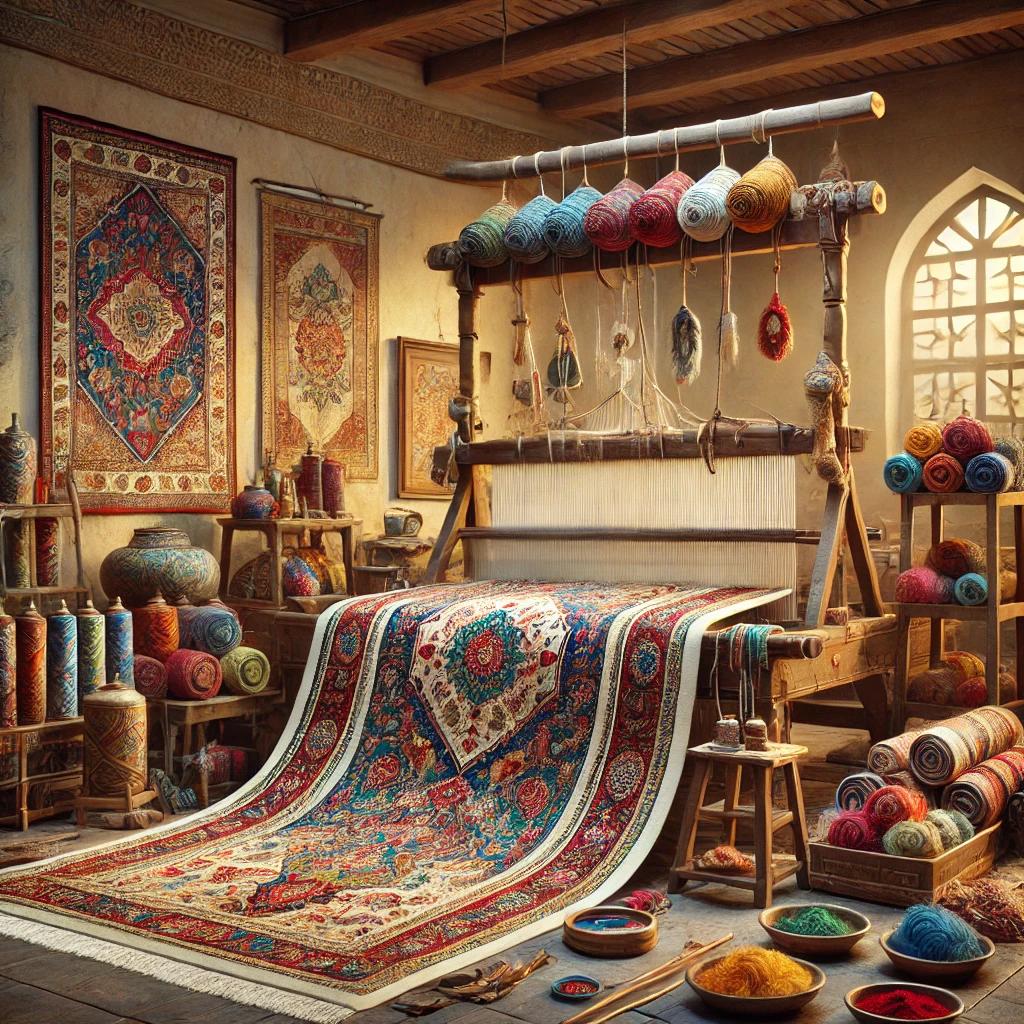
The backbone of your silk Persian rugs lies in their production techniques. The primary method in creating these masterful carpets is hand-knotting. The Persian or Senneh knot allows weavers to produce complex details and shapes within the fabric of the rug. Discover more about the art of Persian rug weaving here: Learn more.
Foundations and Structures
The structural integrity of silk Persian rugs is supported by the warp and weft, typically made from cotton, which provides stability and strength. This foundation is essential for maintaining the rug’s shape and ensuring durability through time. Learn more about the importance of strong cotton foundations in handmade Persian rugs here: Understand more.
Dyeing Processes
Traditional dyeing processes heavily influence the overall quality of Persian rugs. Using natural dyes derived from plants, minerals, and insects, artisans create stunning color palettes that are vibrant and long-lasting. The correlation between the dye quality and the rug’s appeal is vital for both collectors and casual buyers alike. Discover more about dyeing processes in rug-making here.
Pattern Design
The design of silk Persian rugs showcases the creativity of artisans, often utilizing cartoons—preliminary sketches—to guide the intricate patterning. This handmade approach results in unique designs and a level of craftsmanship that simply cannot be reproduced in machine-made rugs.
Traditional Oriental Elements
Broad Definition
The term traditional oriental refers to rug-making that spans various cultures, most notably those from Persian and Turkish origins. Each type of rug brings its unique elements while sharing similarities in terms of motifs and techniques.
Design Motifs and Symbolism
Common motifs found in both Persian and Turkish rugs include:
- Medallions and floral designs: These elements are signature to oriental rugs and carry layers of meaning.
- Symbolism: Many designs reference elements from nature or reflect cultural beliefs, serving as a connection to history and heritage. Delve deeper into the motifs used in these rugs here.
Turkish Influences and Vintage Rug Trends
Turkish Rug Context
Turkish rugs play a crucial role in the larger narrative of oriental carpets. They are often distinguished by their unique symmetrical (Turkish/Ghiordes) knot, differing from the Persian style. Understanding these differences enriches our appreciation of both traditions.
Vintage Trends
In recent years, vintage Turkish rugs have surged in popularity within modern interiors. Their timeworn aesthetics, characterized by soft colors and worn textures, attract buyers looking for something with character. Turkish vintage rugs present an inviting option for anyone seeking to blend historical elegance with contemporary décor. Learn about vintage trends here.
Discover more about Turkish rug history and craftsmanship here: Learn more.
Vintage Rugs in the USA
Popularity of Vintage Rugs
The demand for vintage rugs in the USA has skyrocketed as homeowners and designers search for unique pieces that add warmth and style to their homes. Vintage rugs are appreciated for their comfort, patina, and the stories they tell, fostering sustainable and individualistic styles in interior design.
Collector Insights
For those who collect vintage rugs, key factors include:
- Provenance: Knowing the history and origin of the piece is vital for determining its authenticity and value.
- Condition: Collectors often assess wear and repairs to appreciate the rug’s journey through time and its present state.
Authentic Rugs and Art
Understanding Authentic Rugs
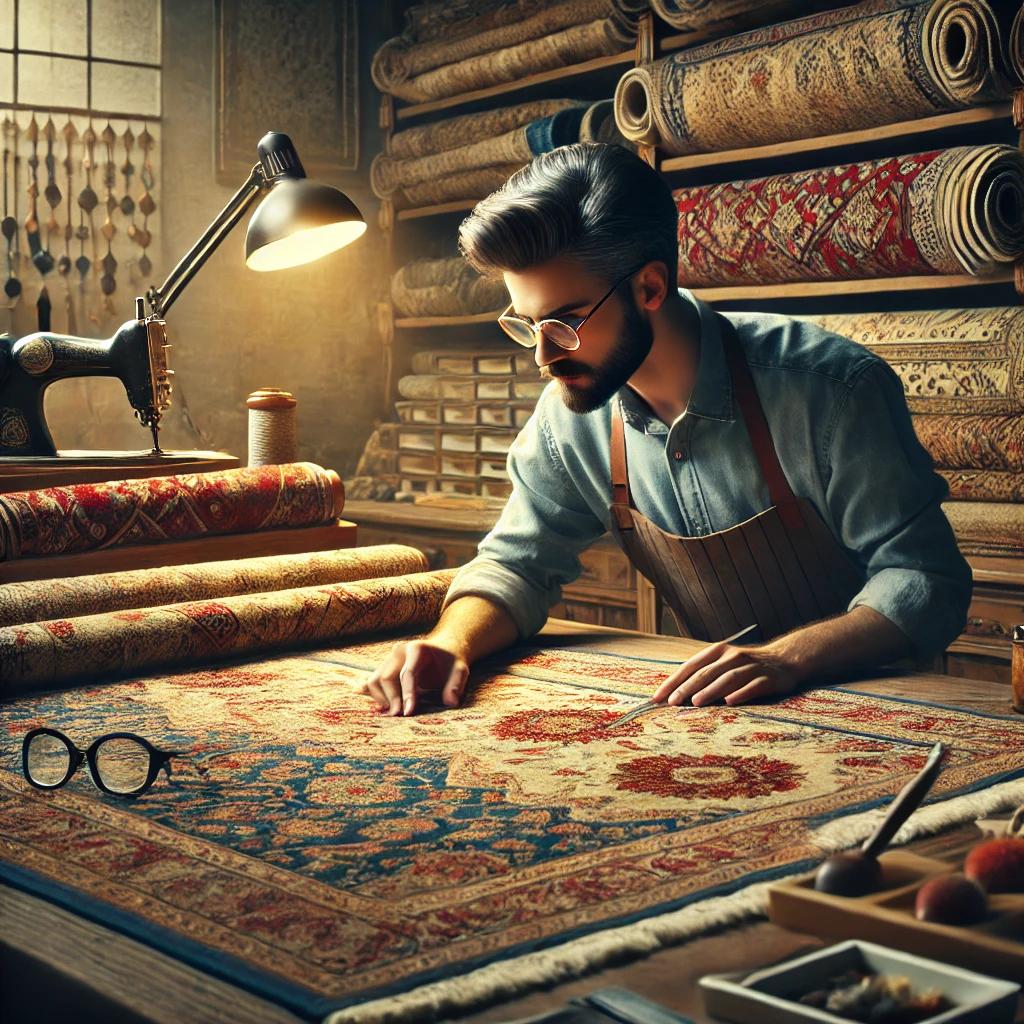
An authentic rug is one that has been handmade, usually reflecting traditional methods and materials associated with the region it comes from. In both Persian and Turkish contexts, rugs embody cultural narratives and aesthetics that elevate them to the status of art. Read more about authentic rugs here.
Identifying Authentic Pieces
To ensure you’re purchasing genuine rugs, consider these tips:
- Materials: Authentic rugs are crafted from natural fibers like wool or silk; synthetic materials may indicate a reproduction.
- Knotting techniques: The type of knots and their execution provide clues about a rug’s origins—be it Persian or Turkish.
- Design patterns: Familiarize yourself with distinctive designs and patterns associated with various regions to accurately assess authenticity.
Understanding these attributes allows collectors to spot genuine pieces and appreciate the artistry behind them more fully.
Conclusion
Across materials, regions, and eras, handmade rugs tell intertwined stories of culture, technology, and taste. Silk Persian rugs stand out as the most opulent expression of this heritage, combining fine silk, high knot density, and sophisticated Safavid-era design traditions to create museum-level works of art. By comparing them with robust wool Persian rugs, exploring broader oriental motifs, examining Turkish influences and the charm of vintage rugs, and considering the growing market for vintage rugs in the USA, readers can better understand how each type offers its own balance of beauty, practicality, and history.
Armed with a basic grasp of authenticity, techniques, and provenance, enthusiasts are well-placed to explore further—whether they are drawn most to the luminous luxury of silk Persian carpets, the everyday warmth of wool village rugs, or the time-worn character of vintage Turkish and Persian pieces.