
Exploring Turkish Rugs History
Estimated reading time: 8 minutes
Key Takeaways
- Turkish rugs have a deep-rooted history that illustrates the journey of art and culture.
- The evolution of these rugs is shaped by various historical influences, ranging from nomadic traditions to the Ottoman Empire’s artistry.
- Turkish rugs significantly differ from Persian rugs in terms of design, craftsmanship, and cultural representation.
- Vintage Turkish rugs hold immense value among collectors for their unique characteristics and historical narratives.
- Understanding the meaning behind Turkish terms for rugs reveals insights into cultural symbolism.
Table of contents
- Historical Overview of Turkish Rugs
- Origins and Early Evolution
- Seljuk Era (11th–13th Century)
- Ottoman Period (14th–20th Century)
- Comparison with Other Oriental Rugs
- Delving into Oriental Rugs History
- Broader Context
- Distinguishing Features
- Shared Elements
- The Allure of Turkish Vintage Rugs
- Definition of “Turkish Vintage”
- Significance and Collectibility
- Understanding “Rug” in Turkish Culture
- Terms and Symbolism
- Cultural Importance
- Oriental Rug Review
- Design and Craftsmanship
- Market Trends
- Conclusion
- Frequently Asked Questions
Historical Overview of Turkish Rugs
Turkish rugs hold a unique place in the fabric of art and culture, with a history that spans thousands of years. The turkish rugs history reflects the rich traditions and diverse influences that have shaped this art form. In this blog post, we will explore the intricate history, non-Persian origins, and distinctive styles of Turkish and Oriental rugs. Our aim is to provide a detailed account of how Turkish weaving has evolved over time, illuminating its significance in both historical and cultural contexts.
Origins and Early Evolution
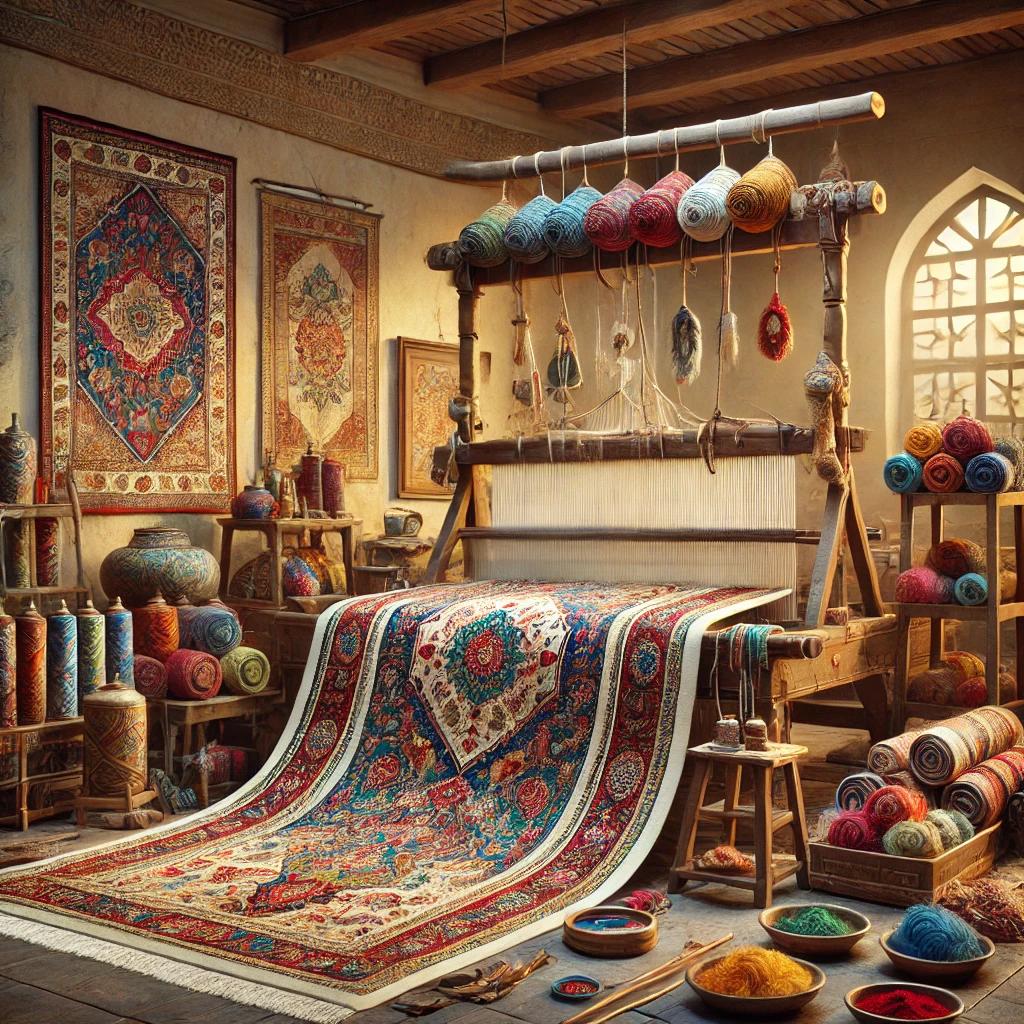
Turkish rug weaving originated with the nomadic Turkic tribes of Central Asia. These tribes created portable coverings for their tents, which were practical and aesthetically pleasing.
- Nomadic Background: Rugs were essential for providing warmth and comfort in harsh climates.
- Transition to Anatolia: By the 11th century, these nomadic skills migrated westward into Anatolia, leading to the establishment of the “Anatolian rug” tradition.
This transition marked a significant evolution in techniques and designs. As the Turkish weavers settled, they began incorporating local elements into their craft, resulting in unique styles that set them apart from their Persian counterparts. For a deeper dive into the evolution of Turkish weaving, see our detailed article on Turkish rugs history.
For more details, check out these sources: Rug n Carpet, Ephesus Handcrafts, Magnificent Travel.
Seljuk Era (11th–13th Century)
The Seljuk Empire, spanning from the 11th to the 13th century, marked a crucial development phase for Turkish rugs. During this time, weavers adopted distinctive geometric patterns and robust double-knot (Ghiordes) techniques that defined many early Turkish carpets.
- Geometric Patterns: The rugs featured clear, stylized shapes that interpreted elements of nature and everyday life.
- Bold Colors and Motifs: This era embraced vibrant colors, combining various dyes to create eye-catching motifs that often included animal and plant themes.
The rugs from this era also served as both functional items and works of art, showcasing the talents of the weavers.
For further reading: Paykoc Imports, Ephesus Handcrafts.
Ottoman Period (14th–20th Century)
The Ottoman Empire greatly impacted the art of carpet making, refining the craft and infusing it with new life. From the 14th to the 20th century, Turkish rugs saw significant advancements in design.
- Floral and Medallion Motifs: Ottoman rugs are distinguished by intricate floral designs and medallion patterns, demonstrating a shift towards opulence in design.
- Key Weaving Centers: Notable weaving centers like Uşak and Hereke flourished during this period, producing carpets that were not only beautiful but also held significant historical value.
These developments made Turkish rugs highly coveted, as they showcased the fusion of art, culture, and craftsmanship that epitomized the Ottoman era.
For more information, check out: Paykoc Imports, Magnificent Travel.
Comparison with Other Oriental Rugs
Turkish rugs can be contrasted with Persian rugs, offering a distinct perspective on design influences.
- Design Differences: Turkish rugs favor geometric motifs, while Persian rugs often feature curvilinear designs that create a sense of flow.
- Cultural Influences: Turkish rugs reflect a blend of its Anatolian roots, Byzantine heritage, and European artistry, creating a uniquely multicultural tapestry.
This diversity not only enriches the visual appeal but also reflects the complex histories and interactions among various cultures. For a broader perspective on Persian rug history, explore our article on the cultural significance of Persian rugs.
Learn more about the differences: Paykoc Imports.
Delving into Oriental Rugs History
Broader Context
The term “Oriental rugs” encompasses a variety of traditions beyond just Turkish and Persian styles. The roots of Oriental rugs extend into Central Asia, India, and China.
- Weaving Heritage: Each region has its own distinctive weaving techniques and designs. Turkish rugs, while unique, share a broader heritage that connects them to other cultures and traditions.
- Cultural Interactions: The cross-cultural exchanges among these regions helped shape the characteristics of the rugs we see today.
For a more comprehensive understanding, refer to: Rug n Carpet.
Distinguishing Features
Turkish and Persian rugs can be visually and technically distinguished:
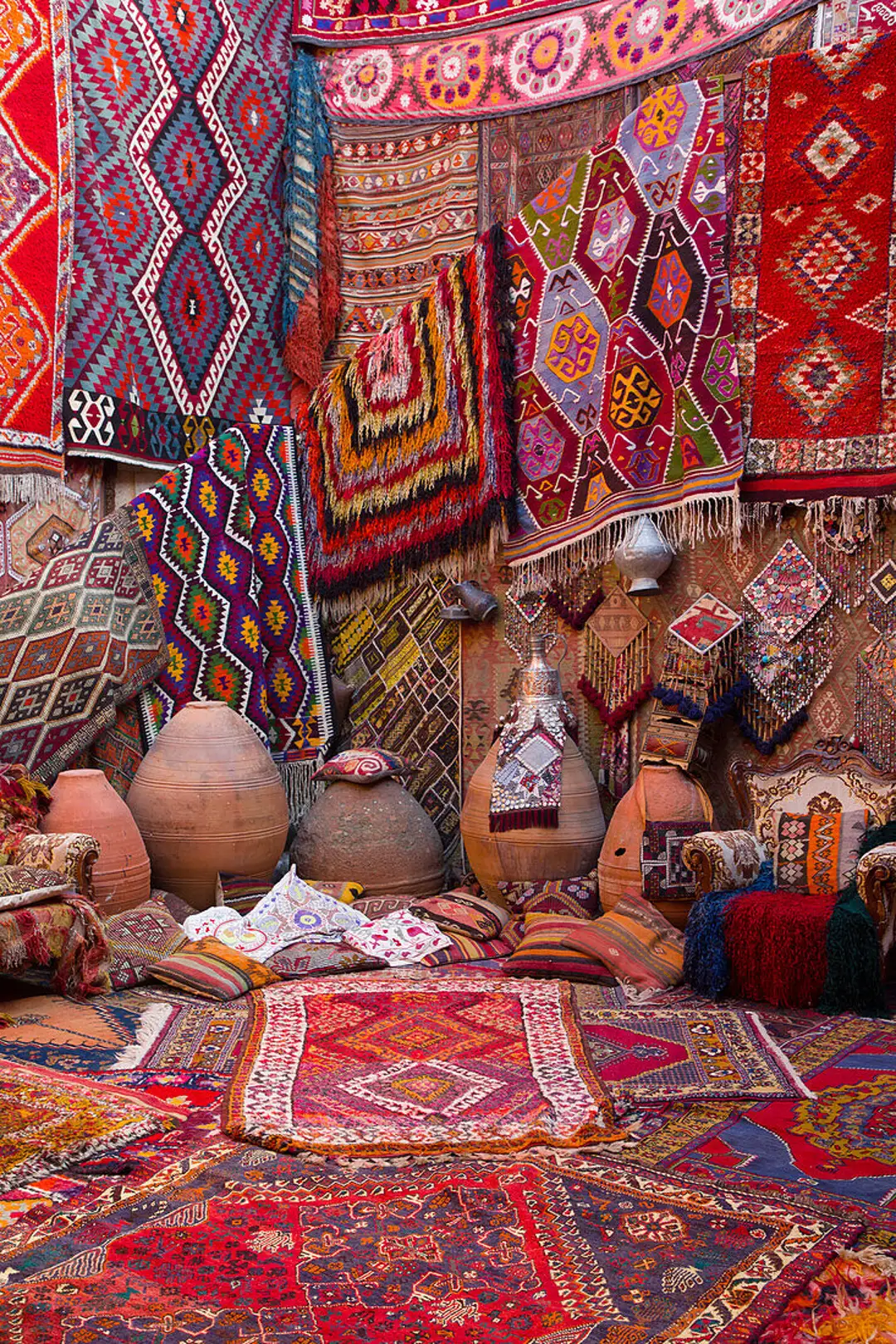
- Turkish Rugs: Typically feature geometric and symmetrical motifs, along with a vibrant color palette. The Ghiordes knot, common in Turkish rugs, adds durability and texture.
- Persian Rugs: Known for their intricate detail, peaceful designs, and use of asymmetrical Senneh knots.
This distinction showcases the diverse artistic expressions found in Oriental rugs.
For further reference, visit: Magnificent Travel.
Shared Elements
While Turkish and Persian traditions have their differences, they share many fundamental qualities:
- Weaving Techniques: Both styles utilize hand-knotting as a traditional method of construction, resulting in rugs that are not only beautiful but also enduring.
- Cultural Reverence: Rugs are respected as integral parts of cultural identity in both traditions, with many similar motifs symbolizing values and beliefs.
This shared foundation highlights the richness of the Oriental rug-making heritage, blending artistry and cultural significance.
Learn more about these commonalities at: Paykoc Imports.
The Allure of Turkish Vintage Rugs
Definition of “Turkish Vintage”
The term “turkish vintage” relates to handwoven rugs that have aged between 30 and 100 years, showcasing authentic designs and traditional dyes.
- Character and Authenticity: Vintage Turkish rugs feature unique characteristics that evolve over time, including color changes and texture.
- Cultural Significance: These rugs often tell the story of their region, reflecting the designs and colors that were prominent during their creation.
For more insights into vintage Turkish rugs, visit: 1stDibs.
Significance and Collectibility
Turkish vintage rugs are highly sought after by collectors and interior designers due to their quality and historical significance.
- Desirability: Collections often include pieces that demonstrate the evolution of Turkish weaving artistry, with well-preserved examples fetching high auction values.
- Functional Art: These rugs are not just decorative but also serve practical purposes, ensuring they remain relevant and desirable in modern design.
To discover more about this enticing market, see: Paykoc Imports. Also, discover trends and buying tips on vintage rugs in our guide: Vintage Rugs USA.
Understanding “Rug” in Turkish Culture
Terms and Symbolism
In Turkish, the terms for rugs include “halı” (for pile carpets) and “kilim” (for flat-weaves). Each holds significant symbolic meanings.
- Motifs and Patterns: Common symbols such as the “evil-eye,” stars, and floral patterns embody protection, fertility, and strength, connecting the weaver’s beliefs and identity to their work.
- Cultural Inheritance: The designs often reveal regional identities, and the preference for specific motifs varies by location.
For a deeper dive into these terms, check: Magnificent Travel.
Cultural Importance
In Turkish culture, rugs play a vital role. They are not merely decorative items; they hold deep social and cultural significance.
- Functional and Ceremonial: Rugs are essential in ceremonies such as weddings and religious rituals, emphasizing their role in creating community and significance.
- Craftsmanship Traditions: Weaving is often passed down through generations, empowering women in rural areas to express creativity and maintain economic independence.
To explore more about this cultural backdrop, visit: Rug n Carpet. To further appreciate the intricate techniques of rug weaving, check out our feature on the art of Persian rug weaving.
Oriental Rug Review
Design and Craftsmanship
The design and craftsmanship of Turkish rugs are distinctly valued.
- Robust Construction: Turkish rugs are known for their durable double knots and sturdy construction, making them resilient for everyday use.
- Aesthetic Features: Their vibrant color schemes and coherent motifs blend traditional patterns with contemporary aesthetics, appealing to a broad audience.
To compare craftsmanship across styles, see: Paykoc Imports.
Market Trends
Currently, the market for vintage Turkish rugs is experiencing a significant boom.
- Increased Demand: The growing interest in vintage Turkish rugs results from their unique history and artistry, making them a hot item at auctions.
- Collector Culture: While antique rugs from other regions are also highly valued, there is a distinct rise in interest surrounding Turkish pieces, often elevating their market prices.
For insights into market trends, see: 1stDibs.
Conclusion
In conclusion, the turkish rugs history is woven from a rich tapestry of influences, traditions, and artistry. From nomadic origins to the ornate designs of the Ottoman Empire, Turkish rugs stand distinct in their history and significance. They embody a unique cultural heritage that continues to captivate collectors and enthusiasts alike. The exploration of their non-Persian origins reveals a wealth of artistic expression that enhances the wider world of Oriental rugs, celebrating both their functional and artistic value.
For further insights into Persian rug history and its influence, read our comprehensive guide: Persian rugs history.
For additional references and to deepen this journey through Turkish and Oriental rugs, explore the sources: Paykoc Imports, Rug n Carpet.
Frequently Asked Questions
- What are the main differences between Turkish and Persian rugs? Turkish rugs typically favor geometric designs, while Persian rugs feature more curvilinear patterns.
- How can I identify a genuine Turkish vintage rug? Look for signs of handcrafting and natural dyes that indicate authenticity, as well as signs of age that add character.
- Why are Turkish rugs considered collectible? Their unique characteristics, historical significance, and craftsmanship make them highly sought after among collectors.