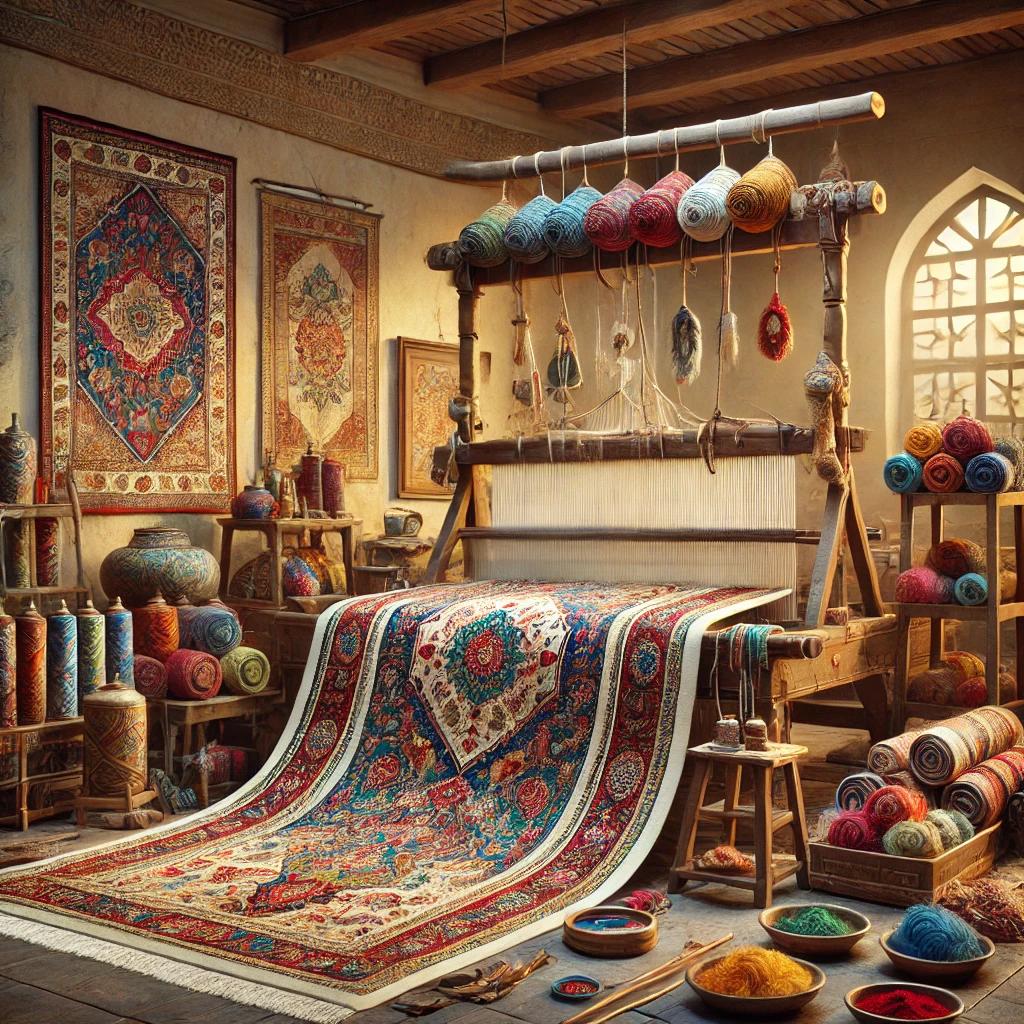


Turkish Rugs History: A Journey Through Time
Estimated reading time: 7 minutes
Key Takeaways
- Turkish rugs have a rich history going back to the Seljuk period.
- Distinctively different from Persian rugs, with unique weaving techniques.
- The influences of cultural migration and Ottoman patronage shaped Turkish rug design.
- Vintage Turkish rugs serve as a connection to Turkey’s rich weaving heritage.
- Understanding key terms in rug weaving can deepen appreciation and knowledge.
Table of contents
Turkish rugs history is a fascinating tale that encapsulates the weaving practices of Anatolia from the Seljuk period through to the Ottoman Empire and into modern times. Understanding turkish rugs history is crucial for anyone interested in the broader narrative of oriental rugs history, especially regarding the non-Persian origins that set Turkish rugs apart from their Persian counterparts.
The significance of Turkish rugs lies not only in their early appearance in Europe but also in their durability and unique visual language, which is often characterized by geometrical patterns and bold colors. This blog post will closely examine the non-Persian origins of Turkish rugs and emphasize their distinctive styles throughout history, leading to a deeper appreciation of their cultural legacy.
Overview of Turkish Rugs History
A Deep Dive into Turkish Rugs History
Turkish rug history can be traced back to Anatolia under the rule of the Seljuks in the 13th century. This remarkable period saw some of the earliest surviving examples linked to regions like Konya and Beyşehir, showcasing intricate weaving skills that have evolved over centuries. Rug Industry
Key Influences
Several cultural and artistic influences shaped the development of Turkish rugs:
- Turkic Migration: The movement of Turkic tribes from Central Asia brought new weaving techniques and cultural motifs to Anatolia.
- Local Culture: The rich tapestry of local traditions and lifestyles further enriched the designs of Turkish rugs.
- Islamic Preferences: Islamic artistic values emphasizing geometric patterns had a lasting impact on Turkish rug designs.
- Ottoman Patronage: During the Ottoman Empire, rug weaving expanded significantly, with luxurious court productions flourishing alongside regional village and nomadic handcrafting explore. KTB
By the 15th to 17th centuries, Turkish carpets were not only woven at high artistic standards, but they also gained international recognition through export to Europe.
Comparing Turkish and Oriental Rugs
Unlike Persian rugs, which originate in Iran, Turkish rugs are primarily associated with Anatolia. The differences between these two traditions are notable:
- Knotting Techniques: Turkish rugs predominantly utilize the symmetrical Ghiordes knot, resulting in more structured designs. In contrast, Persian rugs often employ the asymmetrical Persian knot, which supports curvilinear floral patterns.
- Design Character: Turkish rugs are characterized by geometric motifs and strong colors, while Persian rugs frequently feature intricate floral motifs and medallion compositions. Understanding these distinctions between Turkish and Persian styles is vital for appreciating their unique identities read about. Ahmadi Rug
Exploring Oriental Rugs History
The Broader Landscape of Oriental Rugs
The history of oriental rugs extends beyond Turkey and Persia into various regions including the Caucasus and Central Asia. Turkish rugs became integrated into the broader oriental landscape, especially through trade and European collecting practices. This trend surged as oriental carpets entered Western interiors during the late medieval and Renaissance periods. Rug Industry
Structural and Visual Differences
A pivotal distinction between Persian and Turkish rug traditions lies in both structural and visual aspects:
- Knots: Turkish rugs are often described as employing the symmetrical knot, while Persian rugs predominantly use the asymmetrical knot. This affects everything from texture to the fluidity of the design.
- Design Elements:
Turkish rugs utilize geometric motifs, often rooted in tribal forms.
Persian rugs frequently present floral scrolls and elaborate garden themes.
Historical Periods of Influence
Key periods in Turkish rug history include:
- Seljuk Era: Recognized as the time of the earliest surviving examples.
- Ottoman Era: Marked by artistic refinement in court workshops.
- 20th Century Revival: Showcasing traditional methods and natural dyes, further reconnecting modern artisans to their rich heritage.
Persian traditions, conversely, gained prominence during the Safavid period with highly refined floral patterns setting the tone for the evolution of Persian carpets. Ahmadi Rug
Turkish Vintage and Its Significance
Understanding Turkish Vintage Rugs
Turkish vintage rugs are older pieces that have garnered collector value through their craftsmanship and historical significance. The importance of these rugs reflects not just age but also the transition from traditional village weaving to commercial production.
Key Factors in Value Assessment
Factors that determine the worth of vintage Turkish rugs include:
- Age: Older pieces usually hold more value.
- Craftsmanship: Attention to detail and the skill involved in weaving affect desirability.
- Historical Styles: Rugs representing specific regional styles or periods are often sought after.
The distinct variation in craftsmanship, materials, and techniques between village or nomadic rugs, and those from Ottoman court workshops gives each category of rugs its uniqueness. Rug Industry Ahmadi Rug
Cultural Reflection
Vintage Turkish rugs vividly reflect the rich history of Turkish weaving. They preserve traditional color palettes and motifs that connect both modern collectors and textile enthusiasts to the heritage of Anatolia. By showcasing symbolic designs and construction methods, these rugs act as a tangible link to the past. Rug Industry
Understanding “Rug in Turkish”
Key Turkish Terms in Rug Weaving
Understanding terminology is crucial for anyone diving into the realm of Turkish rugs. Here are some key terms:
- Kilim: A flatwoven rug made without pile; associated with the practical and aesthetic features found in Anatolian flatweaves. Yashar Bish
- Yastik: A small pile-knotted cushion or pillow cover, typically rectangular in shape.
- Gelim/Gelim: An alternate term related to kilim, which comprises flatweave characteristics.
- Yaygı: A general Turkish term for covering fabrics, which encompasses several subtypes, including kilims and sumaks.
Understanding these terms is essential for grasping the various forms and functions of Turkish textiles. They help categorize weaving styles based not only on appearance but also on the functional applications and cultural contexts. Yashar Bish
Oriental Rug Review Component
Evaluating Notable Turkish Rugs
In a comprehensive oriental rug review, Turkish rugs are often evaluated based on crucial criteria that define their quality:
- Design Clarity: The effectiveness of the design pattern and its visual appeal is paramount.
- Technical Execution: The skill demonstrated in weaving and finishing touches reflects the rug’s artistic integrity.
- Dye Quality: The vibrancy and longevity of the dyes impact both beauty and value.
Comparison to Persian Rugs
When compared to Persian counterparts, Turkish rugs often show:
- Geometric Composition: More structured designs with less reliance on flowing curves.
- Knotting Technique: Dominance of the symmetrical knot in Turkish crafting, unlike the asymmetrical knot commonly found in Persian weaving.
- Bold Motifs: A strong focus on tribal and village symbols.
Expert appraisers consider aspects like materials, weaving quality, and whether the piece genuinely represents a recognized regional style. This expertise helps distinguish authentic vintage rugs from more recent reproductions. A thorough rug review not only appraises visual beauty but also places the piece within its historical context. Rug Industry Ahmadi Rug
Conclusion
To summarize, understanding turkish rugs history is essential for appreciating their role as one of the foundational non-Persian traditions within oriental rug making. With deep roots in Anatolia, the artistry of Turkish rugs has evolved through Seljuk and Ottoman influences while retaining a distinctly separate identity characterized by geometric patterns, structured designs, and regional diversity. For a broader perspective on these rich traditions, consider exploring Turkish Rugs History: A Comprehensive Exploration of Their Heritage and Craftsmanship.
For those interested in Turkish rugs, combining an appreciation for their historical context with a keen eye for design offers a deep reward, from understanding their artistry to recognizing the cultural significance embedded in every knot woven. Rug Industry
Call to Action / Additional Resources
To further explore the world of Turkish rugs, consider visiting museums, textile exhibitions, or galleries that feature Anatolian and Ottoman carpets, focusing on the history of Seljuk, Ottoman, and vintage weaving traditions.
Related subjects worth diving into include the history of oriental rugs, the distinctions between Persian and Turkish styles, and the terminology associated with Turkish weaving such as kilim, yastik, and yaygı. Yashar Bish Ahmadi Rug